Lisa Rayam
,
Lily Oppenheimer
| WABE
April 29th, 2020
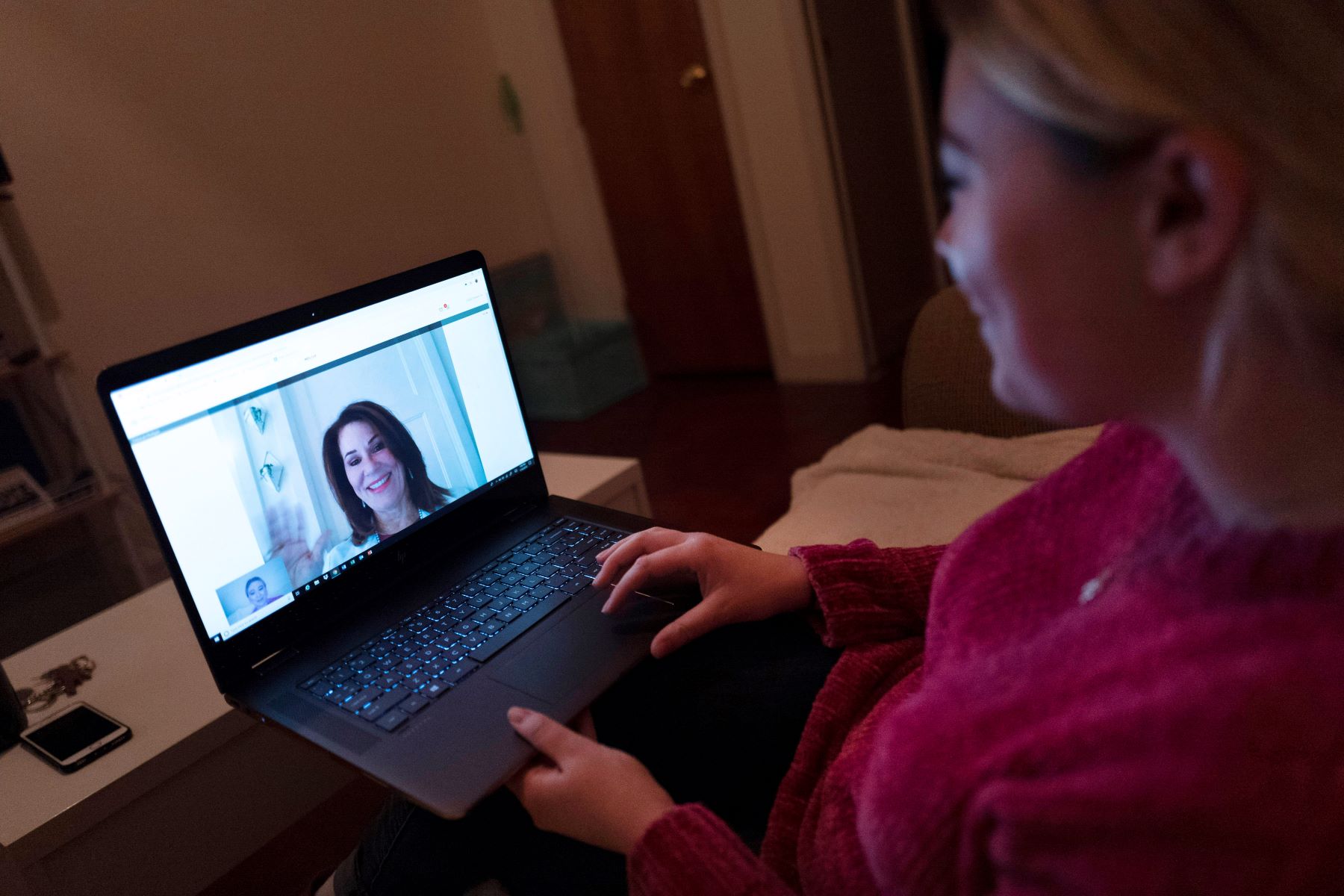
Telemedicine has become a widely used replacement nationwide for some doctor’s visits in the age of social distancing.
To reduce the wait times and barriers to see physicians, nephrologist and telemedicine expert Dr. Renee Dua formed the health care service Heal. It’s made up of a team of doctors that can speak to patients virtually, even during evenings and weekends, or make house calls.
“With the COVID-19 pandemic, we are encouraging our patients to stay home, and we still want to be able to offer them medical care. We still want to give them comfort and see their faces and make sure they’re not short of breath, or anxious,” Dua said.
Heal officials say the trend of telemedicine in Atlanta has grown by 384% in the last five weeks.
But even though telemedicine compromises by delivering care and keeping patients safe from being infected, Dua said if you can’t examine someone, you can’t necessarily call it a physical.
“It’s nice to have access, but it’s not complete,” she said.
“If you are doing a telemedicine call and you have a sore throat, it’s not easy for your doctor to look in the back of your throat.”
She said there’s also the component of understanding what COVID-19 symptoms look and sound like over a screen. And telemedicine services can be pricey if not covered by insurance.
Heal has conducted about 180,000 telemedicine appointments and house calls since the start of the outbreak in the U.S. Officials say 30% of patients using the service are asking about coronavirus-related issues.
Georgia public health officials and Gov. Brian Kemp recently waived some Medicaid telemedicine policies following his state of emergency declaration in mid-March.
Yet, analysts from the personal finance site, WalletHub, ranked Georgia 48th out of all 50 states when it comes to coronavirus relief and medical services. One of the metrics is how prepared Georgia is to support vulnerable communities with telemedicine.
“As far as Medicaid in Georgia and really supporting those at risk, that means not only the elderly, or those with preexiting conditions, but those who are a little less financially stable,” said WalletHub analyst Jill Gonzalez.
“Medicaid coverage for telemedicine is not necessarily on par with other states.”
All state Medicaid members who want to receive telemedicine services can now receive those services in their homes to reduce exposure to themselves or others, according to the Georgia Department of Community Health. GDCH says all Medicaid members will not necessarily be covered unless an appointment was made during the emergency declaration.
Dr. Dua spoke with “Morning Edition” host Lisa Rayam to give more insight into telemedicine during the pandemic.