Joeller Stanton used to be an assistant teacher at a private school in Baltimore and made about $30,000 a year. In mid-March, when the pandemic was just starting, her school closed for what was supposed to be two weeks. “Up to that point, we were under the impression that it wasn’t that serious, that everything was going to be OK,” Stanton recalls.
But as schools in Maryland switched to virtual learning indefinitely, Stanton was let go from her job. She received her last paycheck in March. “I had about $300 savings that was basically gone by the end of March,” she says.
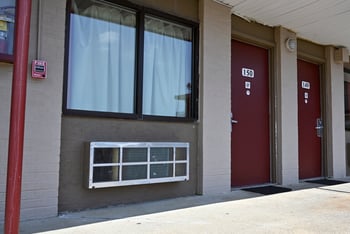
She says she applied for unemployment but was denied initially. And by April, she had no money to pay for rent and utilities, and was struggling to put food on the table for her two children.
Read this story now for free
To continue reading, sign up for our newsletter and get unlimited access to WABE.org
You can select your preferences for news and local content. We will never share your email address. Learn how your newsletter sign-up will support WABE and Public Media