Two drugmakers, Pfizer and Moderna, have announced promising interim results for their vaccine candidates, raising hopes in the U.S. and abroad that the end of the pandemic may be in sight. But, if and when the vaccines are authorized by the Food and Drug Administration, distributing them presents a daunting challenge.
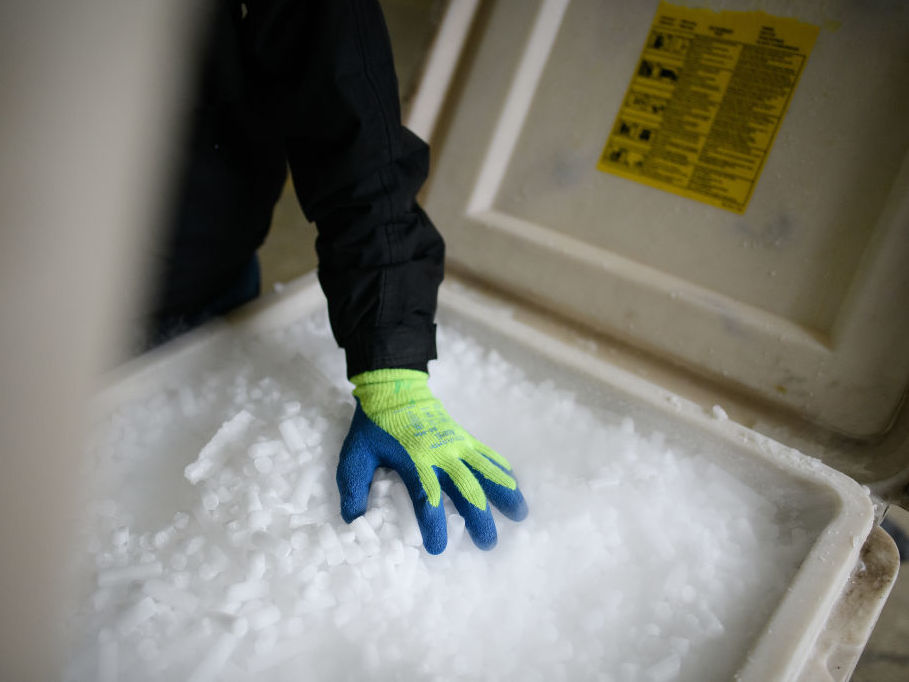
One big reason? One of the front-runners in the vaccine race — the one made by Pfizer — needs to be kept extremely cold: minus 70 degrees Celsius, which is colder than winter in Antarctica. Moderna has said that its vaccine needs to be frozen too, but only at minus 20 Celsius, more like a regular freezer.
Since there will be limited vaccine doses at first, immunization managers across the country will need to have plans to distribute any and all vaccine doses that are available. For months, they’ve been puzzling over the particular challenges presented by the Pfizer vaccine, which requires these ultra-cold conditions.
Read this story now for free
To continue reading, sign up for our newsletter and get unlimited access to WABE.org
You can select your preferences for news and local content. We will never share your email address. Learn how your newsletter sign-up will support WABE and Public Media