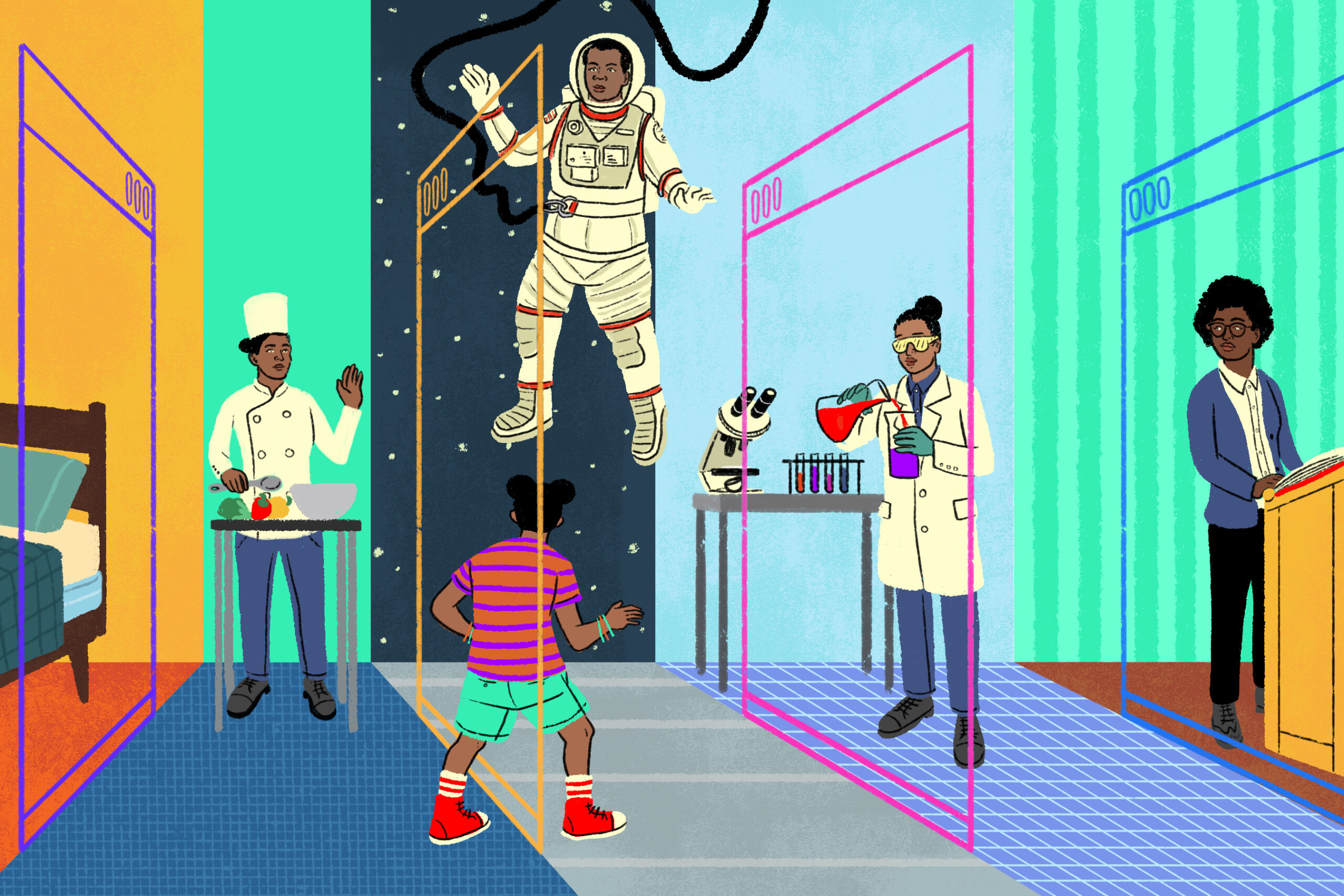
When you think of the history of Black education in the United States, you might think of Brown vs. Board of Education and the fight to integrate public schools. But there’s a parallel history too, of Black people pooling their resources to educate and empower themselves independently.
Enslaved people learned to read and write whenever and wherever they could, often in secret and against the law. “In accomplishing this, I was compelled to resort to various stratagems,” like convincing white children to help him, wrote Frederick Douglass. “I had no regular teacher.”
After the Civil War, says educator Kaya Henderson, Black people started “freedmen’s schools” to teach former slaves literacy and the other skills they would need to participate as citizens. “In the 12-year period that is Reconstruction,” she adds, “we started 5,000 community schools. We started 37 historically black colleges and universities.”
Read this story now for free
To continue reading, sign up for our newsletter and get unlimited access to WABE.org
You can select your preferences for news and local content. We will never share your email address. Learn how your newsletter sign-up will support WABE and Public Media