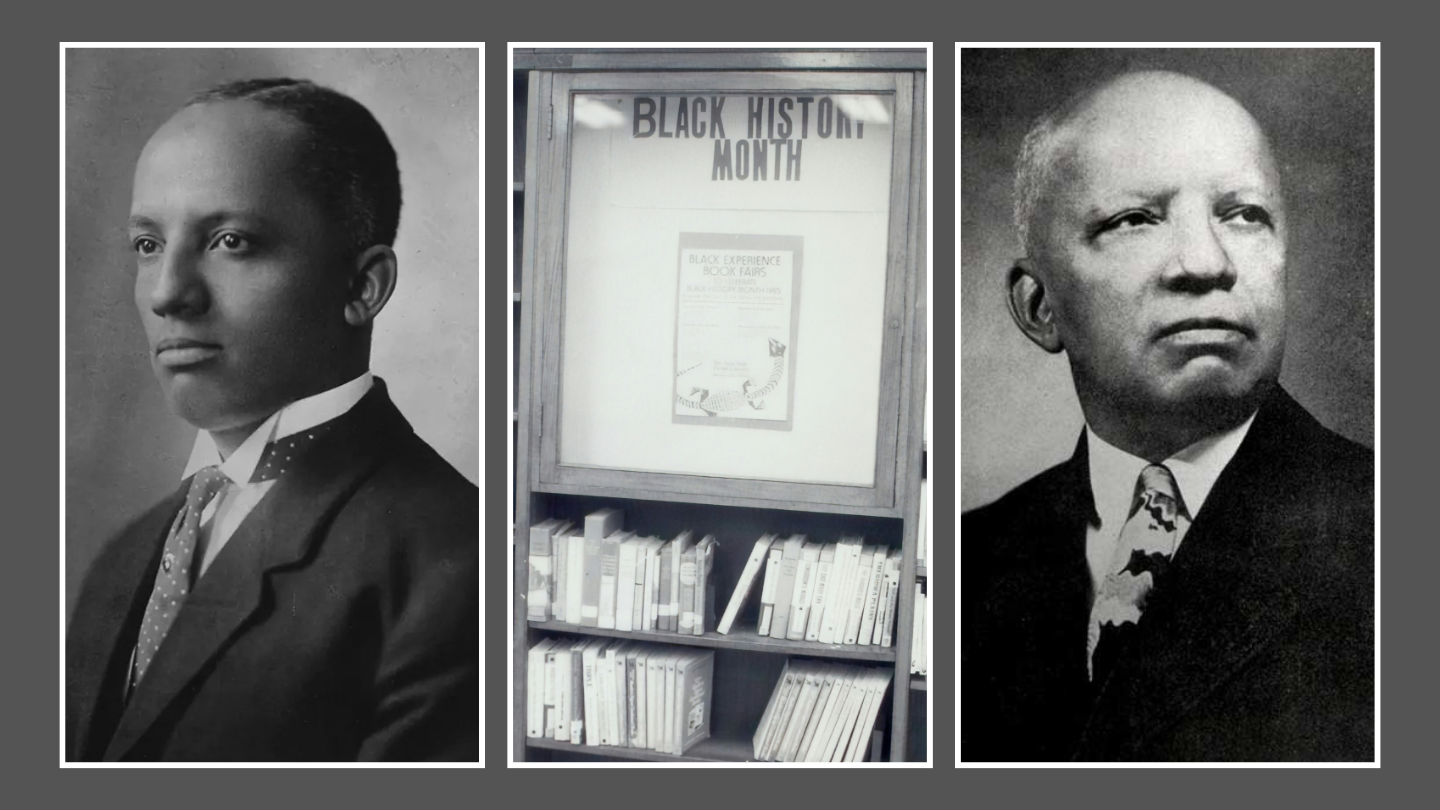
February is Black History Month, but its origins are rooted in Negro History Week. The week was founded in 1926 by Dr. Carter G. Woodson to acknowledge the contributions of Black people. Now, as the nation marks 100 years of Black History Month, “Closer Look” discussed the vision and legacy of Dr. Woodson.
Dr. Crystal R. Sanders is an award-winning historian, author, and associate professor of African American Studies at Emory University. She said Dr. Woodson’s life was committed to the accuracy of Black history, not just to educate, but also to address the dismal state of race relations in the United States.
“Dr. Carter G. Woodson’s legacy is disrupting a tradition of the contributions of Black people being omitted or distorted in the public record,” said Dr. Sanders. “Whether we’re looking at textbooks, whether we’re looking at official statements by elected officials, he was committed to ensuring that an accurate and inclusive record of American History included the contributions of African descended people.”
Read this story now for free
To continue reading, sign up for our newsletter and get unlimited access to WABE.org
You can select your preferences for news and local content. We will never share your email address. Learn how your newsletter sign-up will support WABE and Public Media