Georgia state representatives passed a bill Tuesday to extend the bell-to-bell ban on personal devices in elementary and middle schools to high schools.
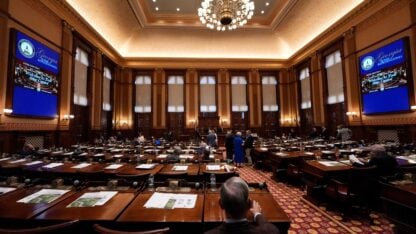
House Bill 1009 passed the Georgia House of Representatives 145 to 20.
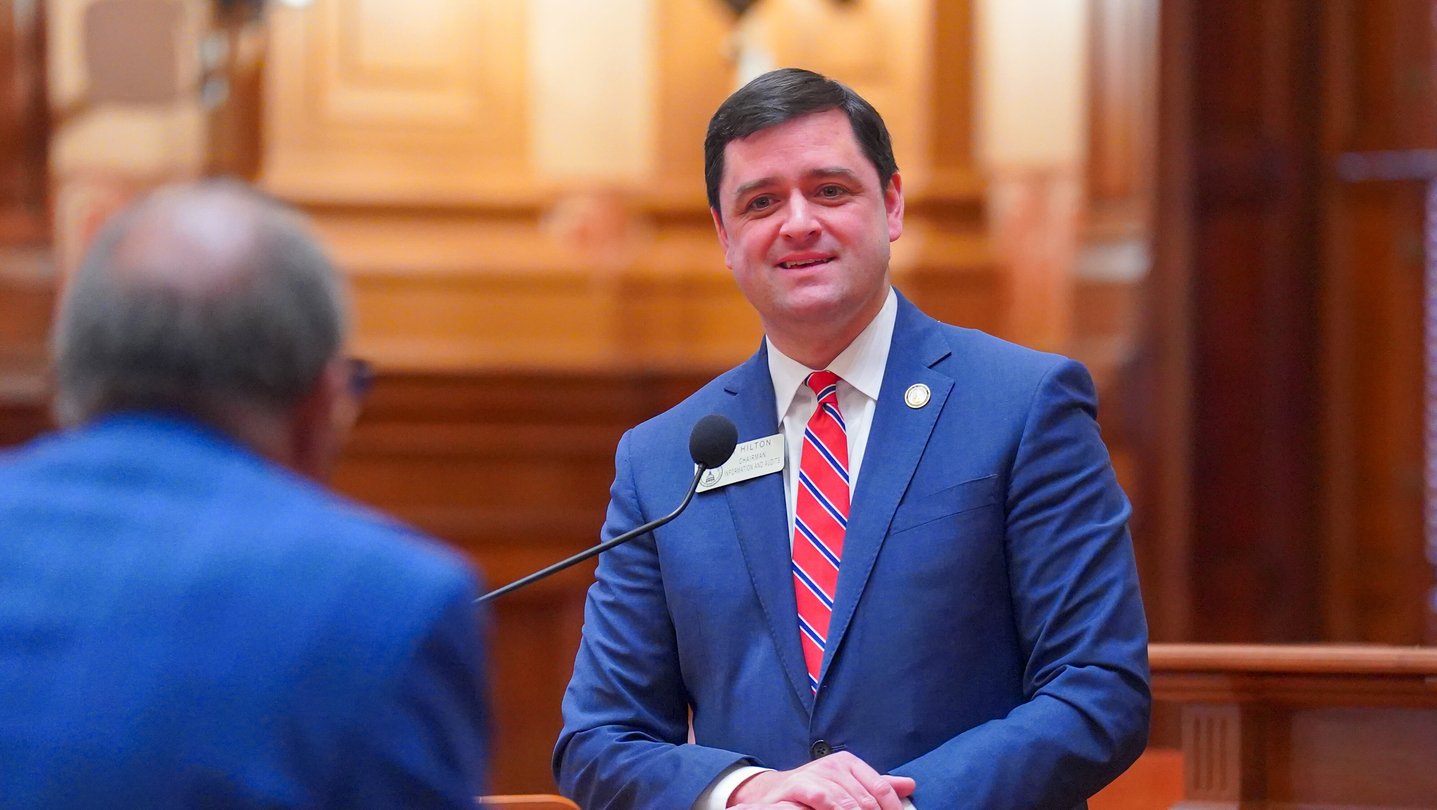
Georgia Gov. Brian Kemp signed the K-8 cell phone ban into law last year. Republican state Rep. Scott Hilton, who authored both that bill and HB 1009, said devices lead to poor academic and developmental outcomes.
“High school teachers tell us that half of their students are off task for large portions of the day,” he said. “Colleagues, outcomes matter, and our students are suffering academically but are also missing out on meaningful social and emotional connections with each other.”
Before the vote, lawmakers received a black pouch that some schools use to store personal devices during the school day.
“I have worked on this before, and last year when I introduced this bill, the Distraction-Free Act, you guys tried to distract me and you texted and called me while I was up here,” Hilton said on the floor of the House. “So today I’m gonna put my phone in my pouch here.”
The ban would apply during the school day and prohibit the use of devices such as cell phones, tablets, smartwatches, and headphones. This ban does not include e-readers, which Hilton said are often not capable of sending messages. The ban would also not apply to school-issued devices or devices required under a student’s Individualized Education Program, Section 504 Plan or other medical plan.
Schools would adopt their own policies for whether or how students can access devices during extracurricular or off-site activities.
More than half of states across the U.S. have enacted bans or limitations on cell phone usage in classrooms. These bans have stemmed from concerns over the distractions cell phones pose to students in class, as well as mental health issues and cyberbullying incidents linked to social media usage. Critics of these bans are worried that parents would not be able to reach their children in the event of an emergency or that they are difficult for teachers to implement.
HB 1009 now goes to the Senate for further consideration.