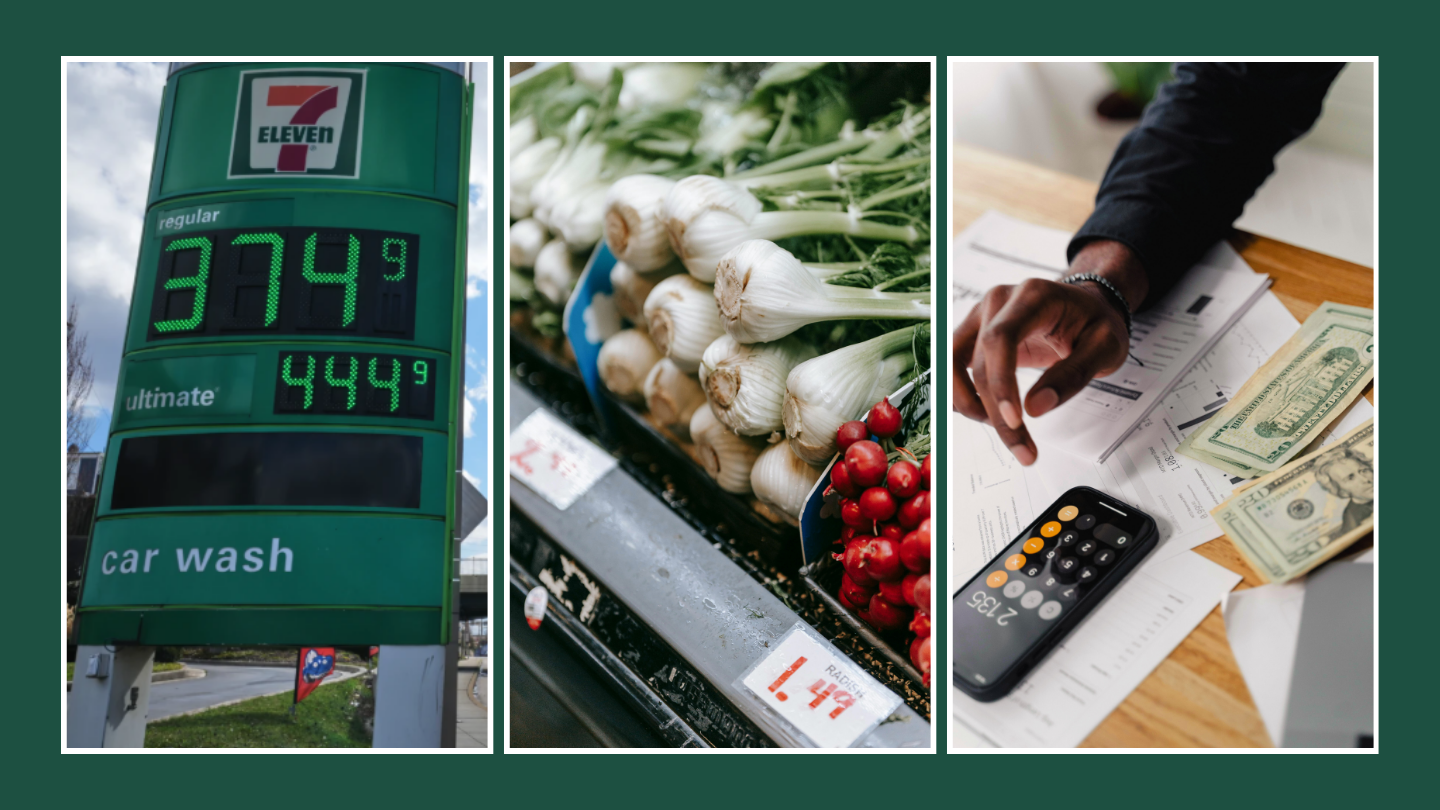
To save or not to save? In today’s economy, that may not feel like much of a choice—or is it?
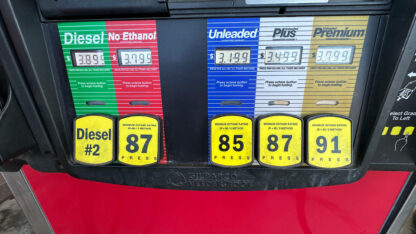
Food prices are up. Energy costs are rising. The most recent labor market report revealed that employers cut 92,000 jobs in February, and the unemployment rate climbed to 4.4%. Factor in the ongoing war in the Middle East, and it helps explain why, earlier this week, Federal Reserve Chair Jerome Powell defended the Fed’s decision to leave interest rates unchanged.
“My colleagues and I remain squarely focused on achieving our dual mandate goals of maximum employment and stable prices for the benefit of the American people. The U.S. economy has been expanding at a solid pace, while job gains have remained modest. The unemployment rate has changed little in recent months, and inflation remains somewhat elevated. The FOMC decided to leave our policy rate unchanged. We see the current stance of monetary policy as appropriate to promote progress toward our maximum employment and 2% inflation goals. The implications of developments in the Middle East for the U.S. economy are uncertain. We will remain attentive to risks to both sides of our dual mandate.”
Read this story now for free
To continue reading, sign up for our newsletter and get unlimited access to WABE.org
You can select your preferences for news and local content. We will never share your email address. Learn how your newsletter sign-up will support WABE and Public Media