All the rain helped, but it will take more than that to end Georgia's drought

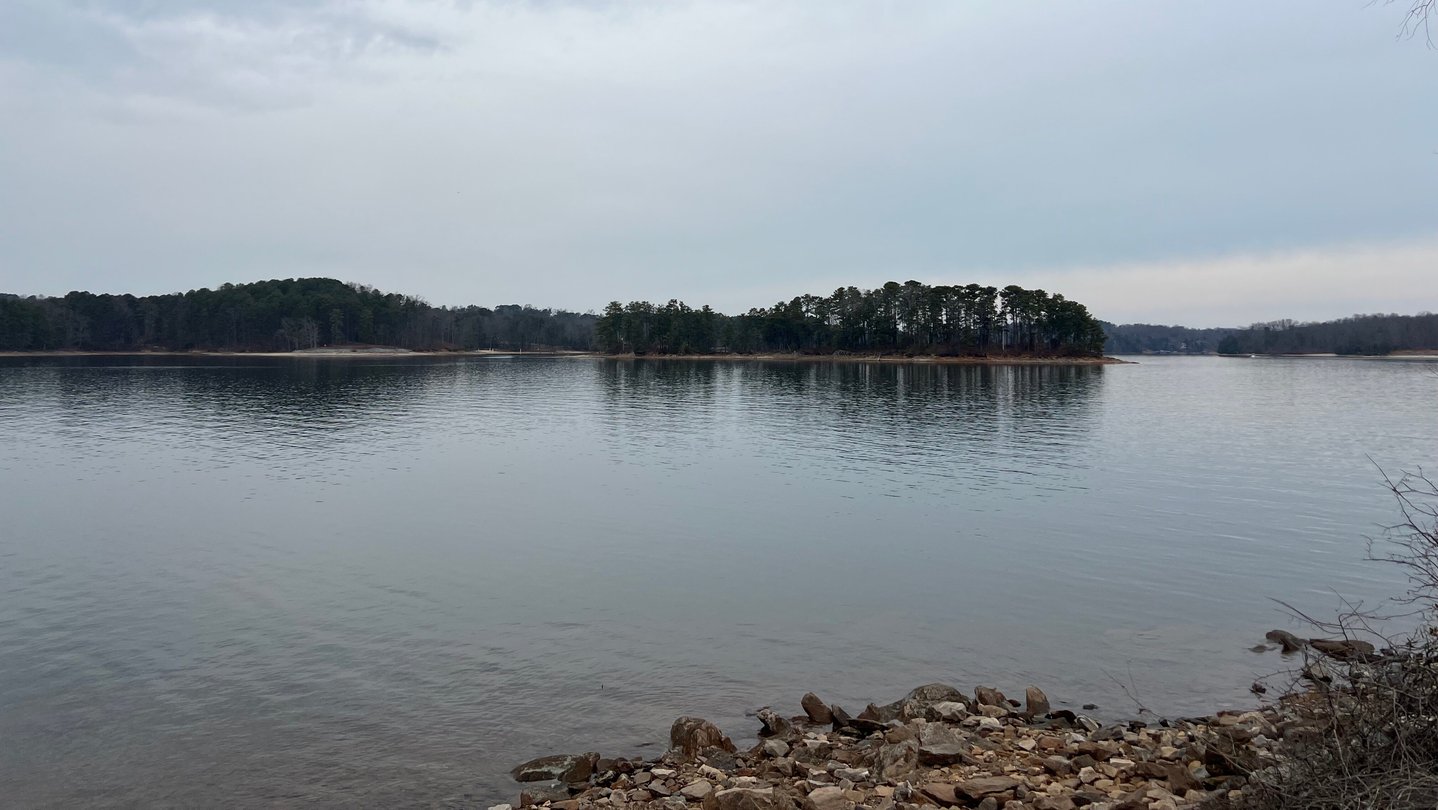
A large lake with the outline of an island in the distance
A view from Lake Lanier in Georgia on Feb. 14, 2026. (Meimei Xu/WABE)

Lawns may look greener after the recent rain, but the drought in the Atlanta area is far from over.

By at least one measure — aside from lawns — things are looking better. The weekly update from the U.S. Drought Monitor shows an easing of drought conditions for most of Georgia.

But Katherine Zitsch, director of water strategy at the Metro Atlanta Chamber, said that’s a tool geared towards farming. What she’s concerned about is water supply for metro Atlanta. And that means paying attention to reservoirs like Lake Lanier, which is the biggest source of water for the region. It has more water in it than it did a month ago, but it’s still low. And some other smaller reservoirs are hurting more, she said.


Lake Lanier is currently more than four and a half feet below full pool as we head into the hottest part of the year.

“This is when lake levels typically begin dropping,” Zitsch said. “So we’re really watching those lake levels, water supply reservoir levels. The rain definitely helped, but we have a ways to go before we’re out of the drought from a water supply perspective.”

Zitsch is already thinking about next winter, and whether metro Atlanta’s water supply reservoirs will refill, or if we’ll have another unusually dry season, like we did this past winter. If it’s dry, she said the water supply could get really stressed.

That’s why she’s encouraging water conservation now. For instance, not watering lawns every single day. 

Meteorologist Dylan Lusk with the National Weather Service’s Atlanta office also took the long view during a briefing this week.

“Drought is a longer-term thing and it’s very easy for us to go into another dry period and immediately erase all of these gains that we just had,” he said.

Put another way, it took close to a year to get into this drought, it’ll take more than a week or two of rain to get out of it.