An Atlanta shelter says racial disparities persist in the city's unhoused community

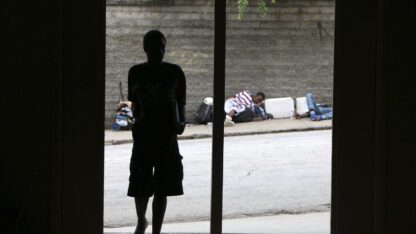
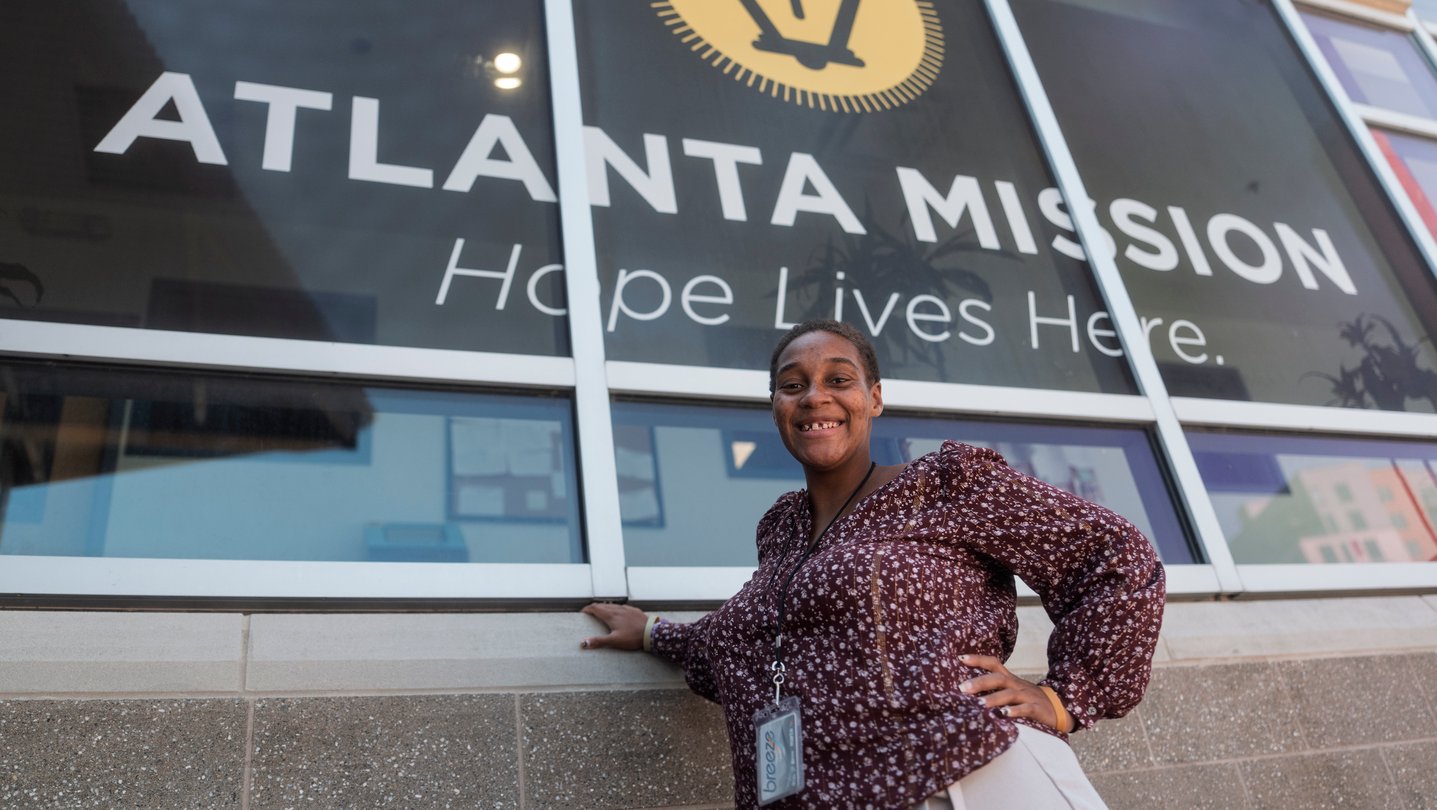
A picture of a client of the Atlanta Mission.
The Atlanta Mission serves 800 men, women and children nightly across three locations. (Courtesy of the Atlanta Mission)

An Atlanta shelter provider says the city’s population of over 3,000 unhoused people is increasing as racial disparities and housing insufficiency persist.

Telicia Maxwell is the campus director at My Sister’s House, an overnight shelter for women and children experiencing homelessness run by the Atlanta Mission.

The campus serves over 600 people. Maxwell says that over three-fourths of those she serves are African American and people of color.


“There’s just some systematic and historical disparities that are not going to be cured overnight. And so the best thing that Atlanta Mission does is just making sure that our doors are open,” said Maxwell.

She says there are several reasons people end up unhoused, including access to mental health resources. 

“People lose their jobs. They’re not able to get back on their feet quick enough. They’ve plunged through their savings, and they literally are just like, I’ve turned to everywhere, my family, friends, and this is the last door as a service provider to be able to support them and help them through those situations,” said Maxwell.

Maxwell says it is a privilege to serve the city of Atlanta through her work. One of the programs she’s most proud of is the Atlanta Mission’s six-week vocational training program called Next Steps. It builds job skills to address employment barriers.

A woman posing for a headshot.
Telicia Maxwell is the campus director at My Sister’s House with Atlanta Mission. (Courtesy of the Atlanta Mission)

“We work with our clients once we’ve completed their social-emotional needs; they transition to that phase of our program,” said Maxwell.

Resume writing, mock interviews and job placement services are part of the training clients receive that Maxwell says prepares them for long-term stability. Finding employment has also become a recent challenge impacting her clients.

“We are noticing that it is taking longer, on average about 70 days for our clients to be able to obtain employment, which speaks to the current market,” said Maxwell.

A mural made for My Sister's House, an Atlanta shelter.
A mural recently painted at My Sister’s House, an Atlanta shelter. (Courtesy of the Atlanta Mission)

Tensley Almand, the president and CEO of Atlanta Mission, recently spoke to WABE about the organization’s work.

“We are the largest and one of the longest-running providers of services for those experiencing homelessness in our city,” said Almand.

He says the organization is always looking for volunteers and donations to keep up with the community’s needs.

“The thing about Atlanta Mission is we don’t ever operate under capacity,” said Almand.

Atlanta Mayor Andre Dickens is pushing to increase affordable housing and reduce homelessness. 

Last year, the Atlanta City Council allocated $60 million, which is being used to support Dickens’ goal of building hundreds of rapid housing units for the unhoused.