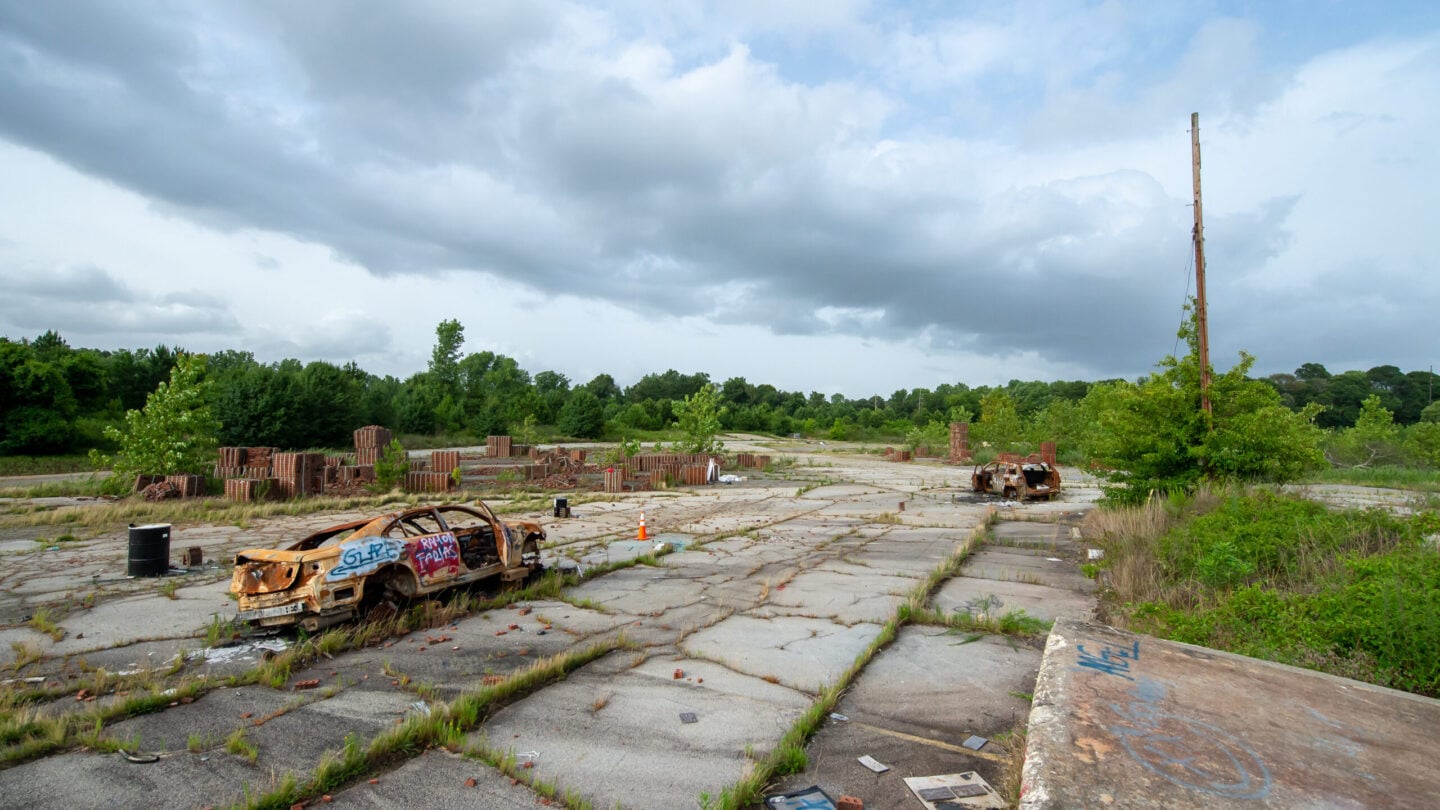
The City of Atlanta says archeologists have potentially found a burial site of forced convict laborers at the Chattahoochee Brick Company property.
Archeology firm New South Associates reported to the city that ground-penetrating radar scans show evidence of soil disruption consistent with shallow graves, according to a statement the City of Atlanta sent to WABE.
This discovery comes as the city and several of its partners work on making a park and memorial to the forced convict laborers.
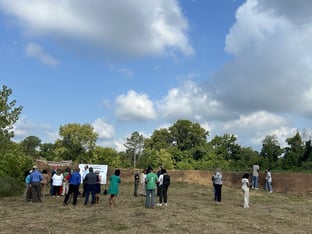
Neighbors in the community for years have said that the remains of people forced to work at this location are still on the property. However, at a community meeting in March, the archeology firm had stated it did not find any burial sites or remains.
According to a statement from the City of Atlanta, New South Associates conducted additional scans in late May, resulting in these new findings.
City officials say that these findings don’t change any of the timelines for designing and creating the park or memorial site. And as of now, the City doesn’t have a timeline for when the archaeologists may be able to conclude whether these are indeed historical burial sites or not.
The next public meeting on the project is July 25.
What is the Chattahoochee Brick Company site?
The Chattahoochee Brick Company was owned by former Atlanta mayor and Confederate Captain, James W. English. It was one of many companies in the era that relied on forced convict labor, a post-Civil War system in which mostly Black men were arrested for often minor crimes, then forced to work. Many of those forced to work under brutal conditions died.
While convict labor was outlawed in the early 1900s, the company stayed open for decades later, its production reportedly dropped by over 50% without the exploitation of unpaid, forced labor, according to Georgia’s state digital encyclopedia.
The Chattahoochee Brick Company closed in the 1970s, and most buildings on the site were demolished by 2011.
Neighbors, people whose ancestors worked on the property and advocates fought for historical recognition of everything that happened there.
The property has passed through several corporate hands throughout the years. In the late 2010s, a company called Lincoln Terminal purchased the land and planned to build a biofuels shipping facility there, leading the City of Atlanta to fight a legal battle to deny that permit.
Norfolk Southern owns train tracks adjacent to the site, and proposed building a fuel terminal there in 2021.
But Atlanta bought the land in 2022, working with The Conservation Fund to acquire the 77-acre site amid potential industrial development, following years of grassroots advocacy by neighbors and local groups.