For years, Atlanta resident Soumaya Khalifa has built lifelong relationships through interfaith, or the cooperative interaction between people of different religions or spiritual traditions.
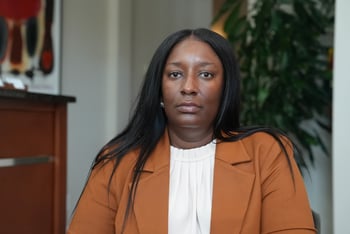
“It’s the opportunity to know people as friends … it’s a community,” said Khalifa, executive director of Islamic Service Bridge Building, an organization that fosters dialogue between Muslims and interfaith community members.
“And a lot of it is about shared humanity,” added Peter Berg, senior rabbi of The Temple, the oldest Jewish congregation in Atlanta.
“In Jewish tradition, we say we’re created ‘B’tselem Elohim’ — in God’s image. We’re all human beings.”
Both religious leaders serve on the boards of multiple interfaith organizations throughout metro Atlanta. And both admit that for the past two years, conversations among members have been turbulent, if not practically nonexistent.
“They have been raw. They have been emotionally challenging,” said Khalifa. “What happened thousands of miles away is having a real negative impact on us here.”
What happened on Oct. 7, 2023?
On October 7, 2023, thousands of Hamas-led militants poured into southern Israel after a surprise barrage of rockets, storming army bases, farming communities and an outdoor music festival, killing roughly 1,200 people, including women, children and older adults.
When speaking with WABE in a 2023 article shortly after the attack, Berg referred to the incident as “one of, if not the hardest week of my Jewish life.”
Khalfifa, in the same article, described her emotions as “heavy” and believed that, despite the conflicting feelings of both communities, there were “a lot of conversations that need to be had.”
What has been the aftermath?
Today, while dialogue has begun to surface again, emotions still run high among both religious figures and their respective communities.
“I wouldn’t say that it’s where it was before October 7th, where it wasn’t such a great place, but it certainly has started with a lot of individuals and with lots of people that I care deeply about,” said Berg.
“I have conversations with all different kinds of people — members of the congregation who are struggling to make sense of what’s going on, members of the interfaith community … all of whom are trying, are struggling with living day to day, given all the challenges that we face.”
Khalifa notes that one of the most difficult aspects of the aftermath has been both sides’ efforts to find common ground despite their opposing feelings.
“When you have somebody who lost 100 people, family members, when somebody has lost 52 people, there is this expectation that once you do multi-faith or interfaith work, then the people that you sit around the table with and have dinner with or talk to, etc., they will see the world through your lens,” she said.
“I’ll see the world through your eyes and I’m gonna be on your side, seeing it the same way that you’re seeing it. October 7th happened, people felt like they were let down. ‘We have been talking all these years, how come you don’t see the situation like I do?'”
What’s next for interfaith communities in Atlanta?
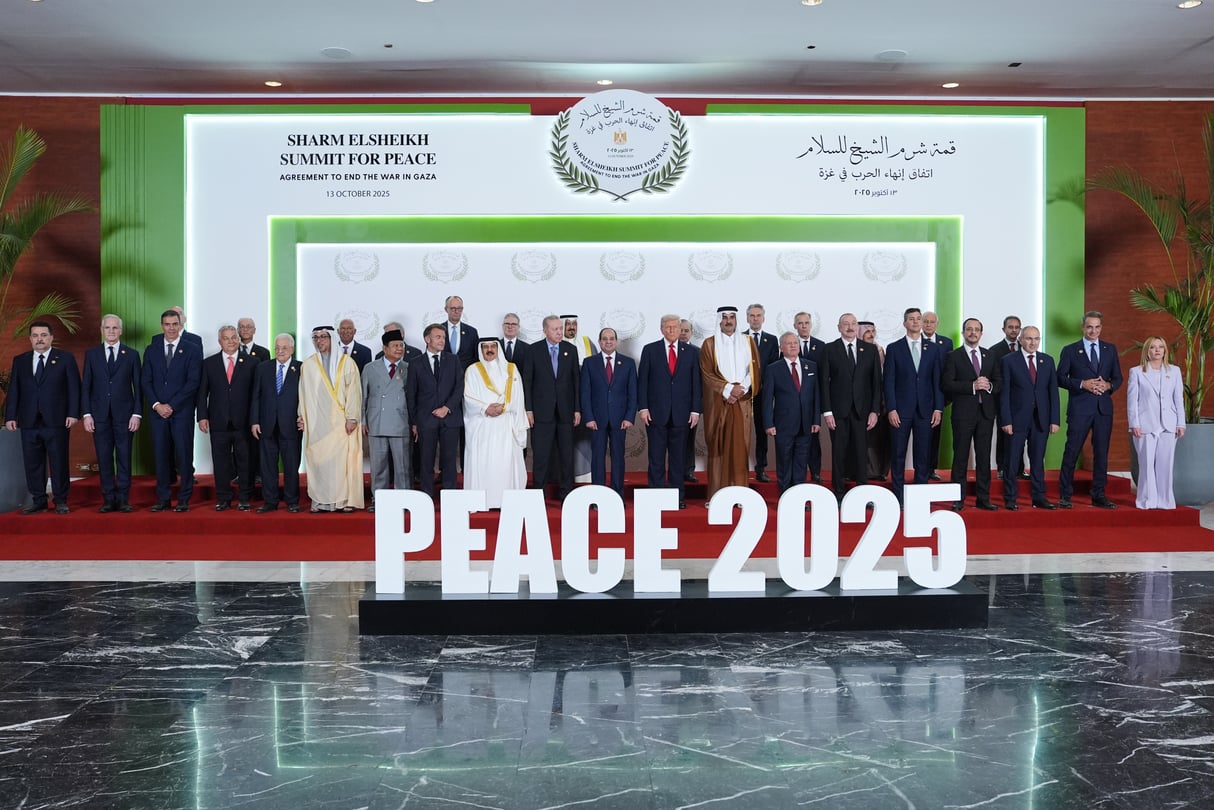
Following the peace agreement between Hamas and Israel, she notes that while it is still going to take “a long time to heal”, it is inevitable to achieve a united future.
“We need to be all together to build a better world; a better Atlanta, but we can’t do that until we start healing,” she said.
That’s not saying, however, that every step along the way will be easy.
“There’s internal conflict. There’s external conflict. There’s a lot of conflict right now,” said Berg. “But now is the time to speak truth to power. To have moral courage. And that’s what we’re trying to do.“
The Associated Press contributed to this report.