New data from Princeton University’s Eviction Lab is not putting a positive light on the Atlanta area when it comes to housing stability. Their research found the metro area (Fulton, Cobb, DeKalb, Gwinnett, and Clayton counties) leads the nation in evictions, with more than 142,000 filings over the past 12 months. Those evictions overwhelmingly affected Black households — more than white, Hispanic, and other racial groups combined.
Representatives with the Atlanta Legal Aid Society said residents are in the middle of an eviction “perfect storm,” with many factors impacting them. In addition to rising rent prices, low-income families also faced the longest government shutdown in U.S. history, millions of Americans losing SNAP benefits for weeks, and some benefits were permanently stripped by the One Big Beautiful Bill. Immigrant households faced further insecurity due to a federal crackdown on undocumented residents.
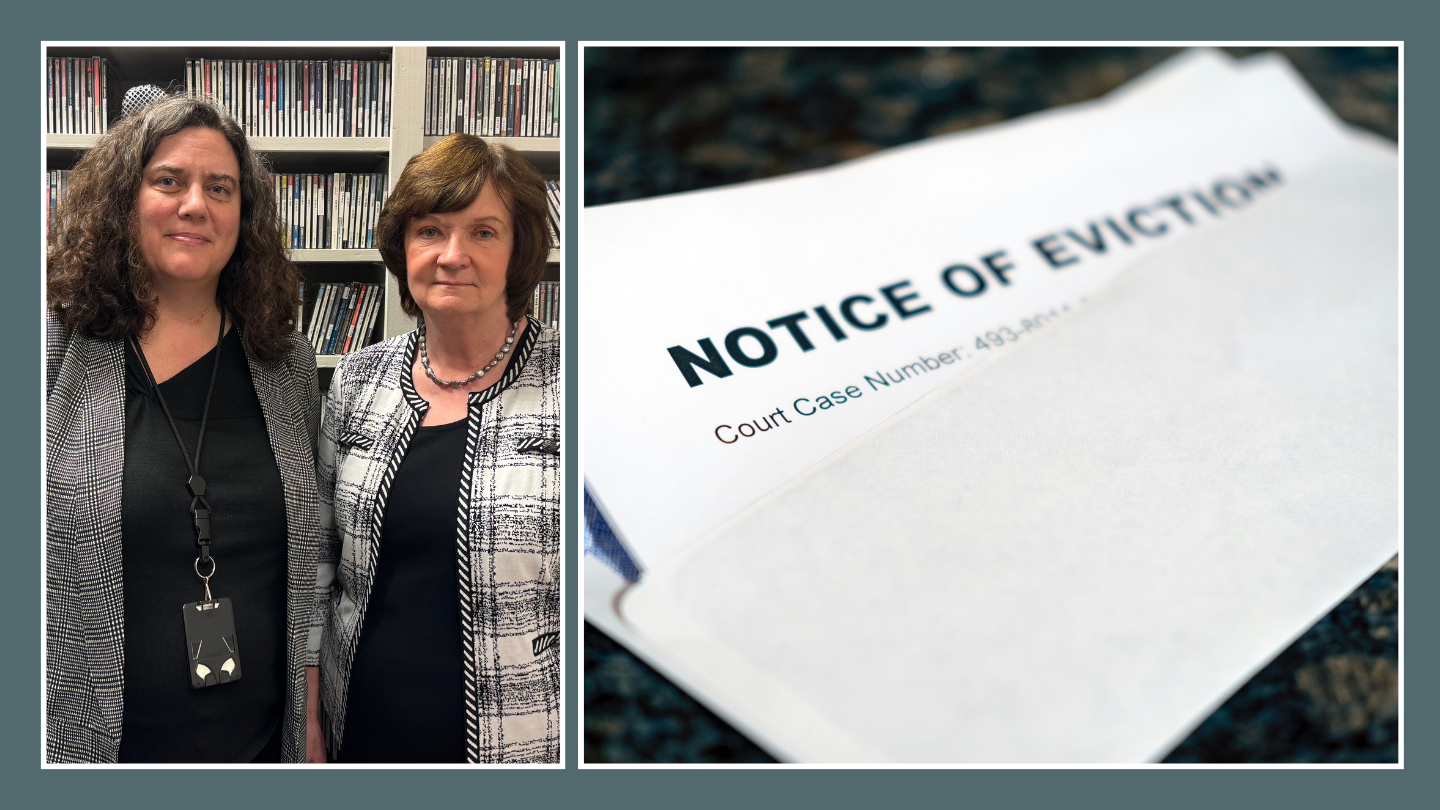
Representatives from Atlanta Legal Aid Society provided further insight and highlighted available resources and assistance on Thursday’s edition of “Closer Look with Rose Scott.” Executive Director Rita Sheffey and Senior Staff Attorney Maggie Kinnear made several points, stating Atlanta used to be a lot more affordable for homes and apartments, but rents started increasing before the pandemic, which escalated the situation. They added that it’s now difficult to find a reasonably priced residence, and under the law, landlords have no incentive to help tenants stay housed.
Read this story now for free
To continue reading, sign up for our newsletter and get unlimited access to WABE.org
You can select your preferences for news and local content. We will never share your email address. Learn how your newsletter sign-up will support WABE and Public Media