Inside the historic Bobby Jones Clubhouse, Atlanta Opera maps its Beltline future

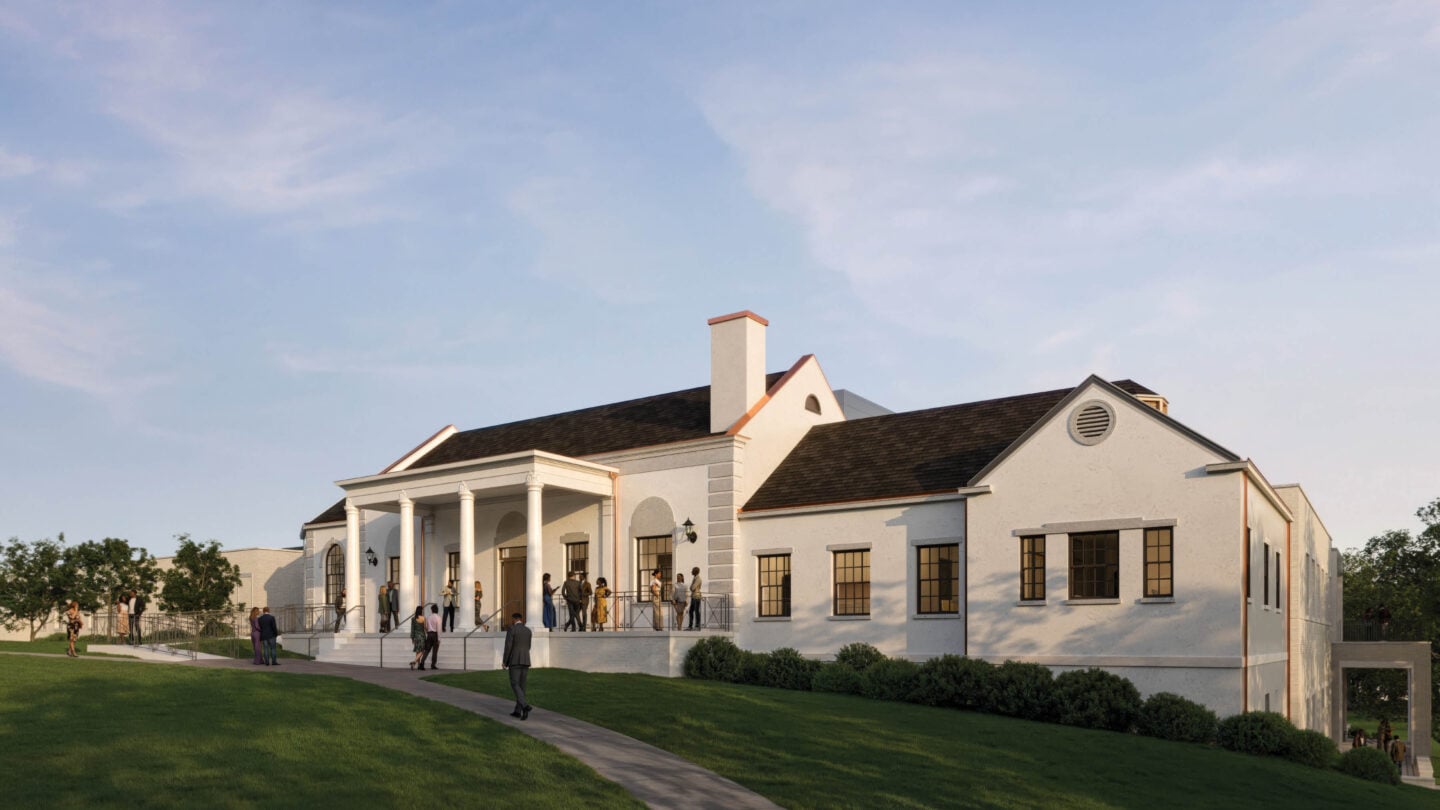
Rendering of the restored Bobby Jones Clubhouse with people gathered on the front porch and lawn at the future Molly Blank Center.
A rendering shows the restored Bobby Jones Clubhouse as part of the Atlanta Opera’s planned Molly Blank Center for Opera and the Arts along the Atlanta Beltline. (Courtesy of the Atlanta Opera)

On a winter morning at the Bobby Jones Clubhouse, Atlanta Opera’s Tomer Zvulun stood at a pivotal moment: the groundbreaking that will transform the historic building into the Molly Blank Center for Opera and the Arts on the Atlanta Beltline.

In a conversation with WABE Arts & Culture Editor Sherri Daye Scott, Zvulun moved beyond architectural renderings and ceremonial events to discuss what it takes to finance a project of this scale. He described the coalition needed to engage neighbors and public partners, and outlined what he hopes people will actually do here once the doors open.

A campaign that’s moving — and still in motion

For Zvulun, the groundbreaking is a milestone rather than a conclusion. He emphasized that fundraising continues despite early achievements, including a $27.5 million leadership gift from The Arthur M. Blank Foundation.
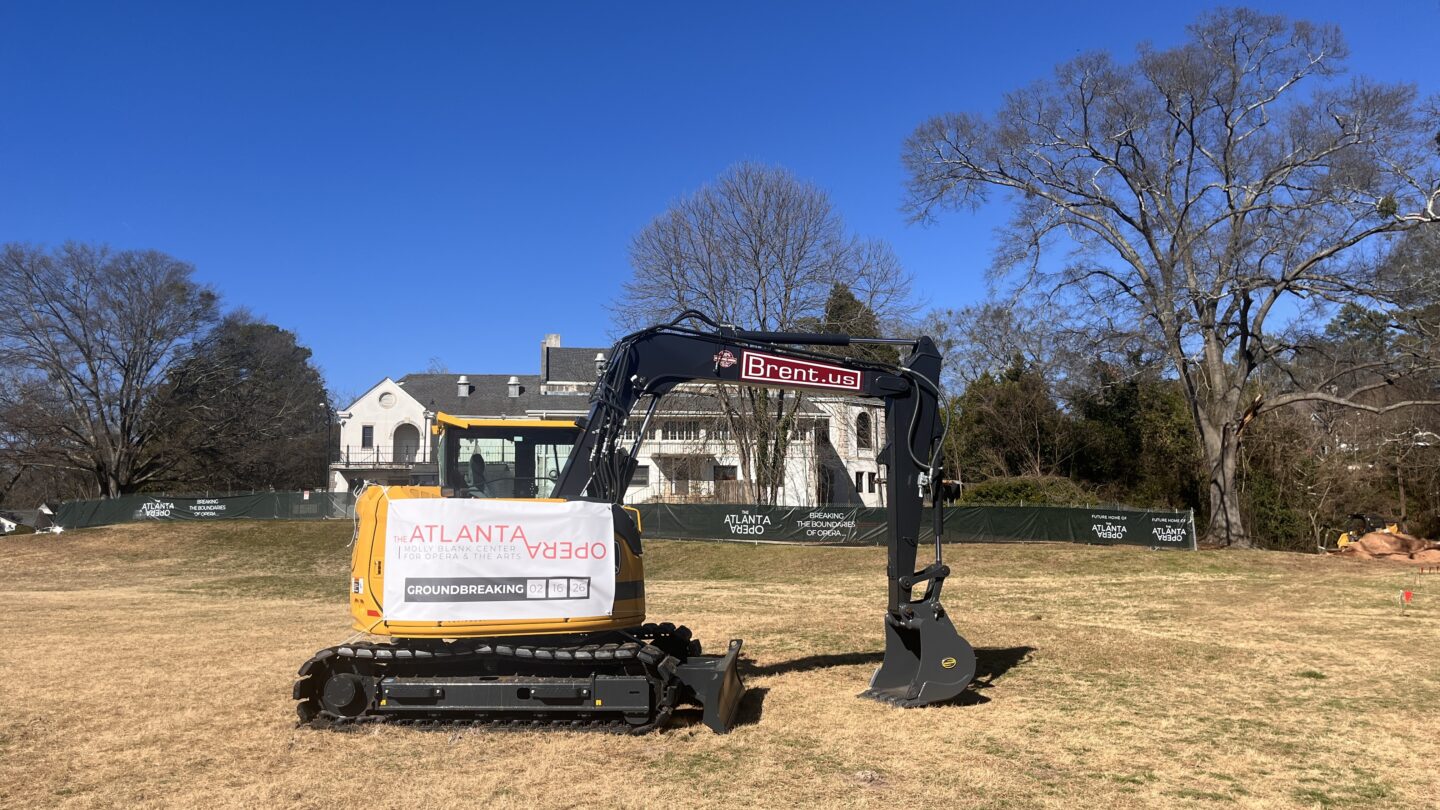
Yellow excavator with “Molly Blank Center for Opera and the Arts” groundbreaking banner in front of the Bobby Jones Clubhouse.
An excavator marked for the Molly Blank Center for Opera and the Arts groundbreaking sits on the grounds outside the Bobby Jones Clubhouse. (Sherri Daye Scott/WABE)

“While we have been successful in our fundraising efforts, we have a campaign that is ongoing,” he said. “Folks have shown tremendous generosity, but we have ways to go.”


Zvulun framed the gift and the larger campaign as part of a broader civic signal. He emphasized that Atlanta’s growth story includes cultural infrastructure, not only corporate headquarters and new development, making the campaign an important piece of the city’s evolution.

He also pointed to what he sees as sustained, multi-year buy-in from the region. “I’ve been here for 13 years,” he said, “and through my time here, I’ve seen a huge resurgence in investment in the community and the arts.”

A preservation story as much as a performing arts story

The Bobby Jones Clubhouse is not a blank slate. Zvulun described a project shaped by preservation goals. He remembered when the Georgia Trust listed the clubhouse among ‘places in peril’ about a decade ago. This shifted expectations about neighborhood reaction. Instead of resistance, he said, there was a shared wish to protect and reuse a site with local significance.

Bobby Jones Clubhouse behind fencing with Atlanta Opera signage on the Atlanta Beltline under bright sun.
The historic Bobby Jones Clubhouse, just off the Atlanta Beltline, is slated to become the Atlanta Opera’s Molly Blank Center for Opera and the Arts. (Sherri Daye Scott/WABE)

“We thought the neighborhood might have reservations,” he said. “But then we discovered a strong desire to preserve this remarkable building with its historical significance.”

That approach — preservation through reuse — became central in the pitch and community discussions as the opera advanced from concept to design and, ultimately, construction.

Getting to ‘yes’

Zvulun mentioned several groups involved in making the performing arts space possible. These included internal teams, a fundraising structure, civic partners, and groups managing the parkland around the site.

He credited the Atlanta Opera staff who have been working endlessly on this project for years.’ He also thanked the board of directors and fundraising committees. Public partners included the mayor’s office, Atlanta City Council, state officials, the Atlanta Memorial Park Conservancy, and the neighborhood itself.

In his account, the coalition isn’t a footnote. It’s the catalyst that made the project viable.

“It’s been incredible because the collaboration on every level was really encouraging,” Zvulun said.

What ‘success’ will look like

Zvulun described success less as prestige and more as daily use: a space that feels approachable to people who might not see themselves as opera-goers and welcoming to those already moving through the area, such as walkers, runners and families.

Rendering of a modern addition with large glass windows and covered walkways behind the Bobby Jones Clubhouse at the future Molly Blank Center.
A rendering shows a glass-and-column addition planned for the Molly Blank Center for Opera and the Arts behind the Bobby Jones Clubhouse. (Courtesy of the Atlanta Opera)

“There’s going to be a little cafe,” he said. “As people walk around, they will be able to stop and enjoy nature. They can also step in and learn that there’s a major performing arts center here.”

Just as importantly, he called the center multidisciplinary by design. It was created to introduce the public to a variety of art forms, not just opera.

“That idea of connecting with the community and providing a plethora of different art forms, not necessarily just opera, is the vision behind this,” he said.

The story behind the name

Late in the conversation, Zvulun returned to the role of Arthur Blank and the person whose name will be on the building: Blank’s mother, Molly Blank.

Zvulun said the namesake gift did more than move the project forward. It changed the scale of what the opera thought it could do.

“With his transformative gift, he gave us the confidence to realize this on a scale larger than we had imagined,” he said.

Zvulun also shared a line he associated with Molly Blank’s outlook, a sentiment he said has stayed with him as the project moves from planning to construction: “You only pass through this world once, so make it count.”

For Zvulun, the center’s horizon isn’t simply about launching a new building, but establishing a lasting home for the arts — one that will transform Atlanta’s relationship with culture for generations, making the performing arts more accessible and integral to city life.