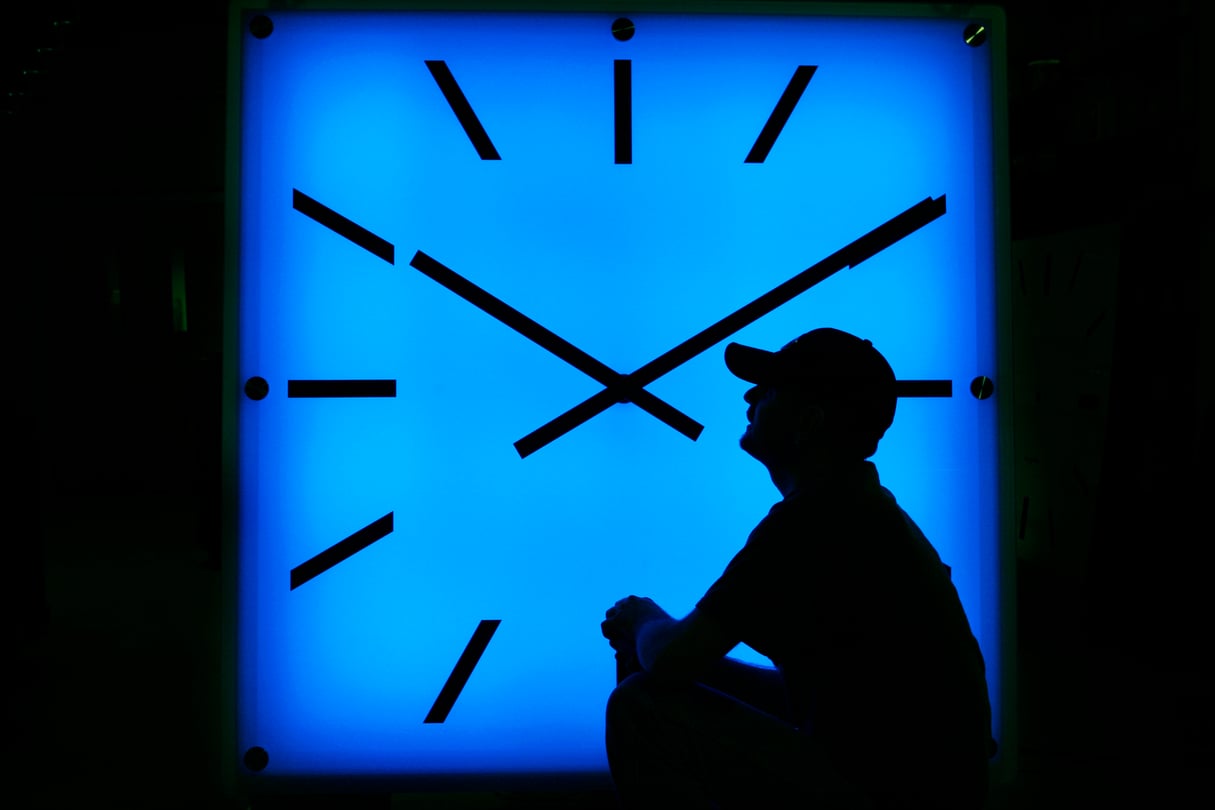
The good news: You will get a glorious extra hour of sleep. The bad: It’ll be dark as a pocket by late afternoon for the next few months in the U.S.
Daylight saving time ends at 2 a.m. local time next Sunday, Nov. 3, which means you should set your clock back an hour before you go to bed. Standard time will last until March 9 when we will again “spring forward” with the return of daylight saving time.
That spring time change can be tougher on your body. Darker mornings and lighter evenings can knock your internal body clock out of whack, making it harder to fall asleep on time for weeks or longer. Studies have even found an uptick in heart attacks and strokes right after the March time change.
Read this story now for free
To continue reading, sign up for our newsletter and get unlimited access to WABE.org
You can select your preferences for news and local content. We will never share your email address. Learn how your newsletter sign-up will support WABE and Public Media