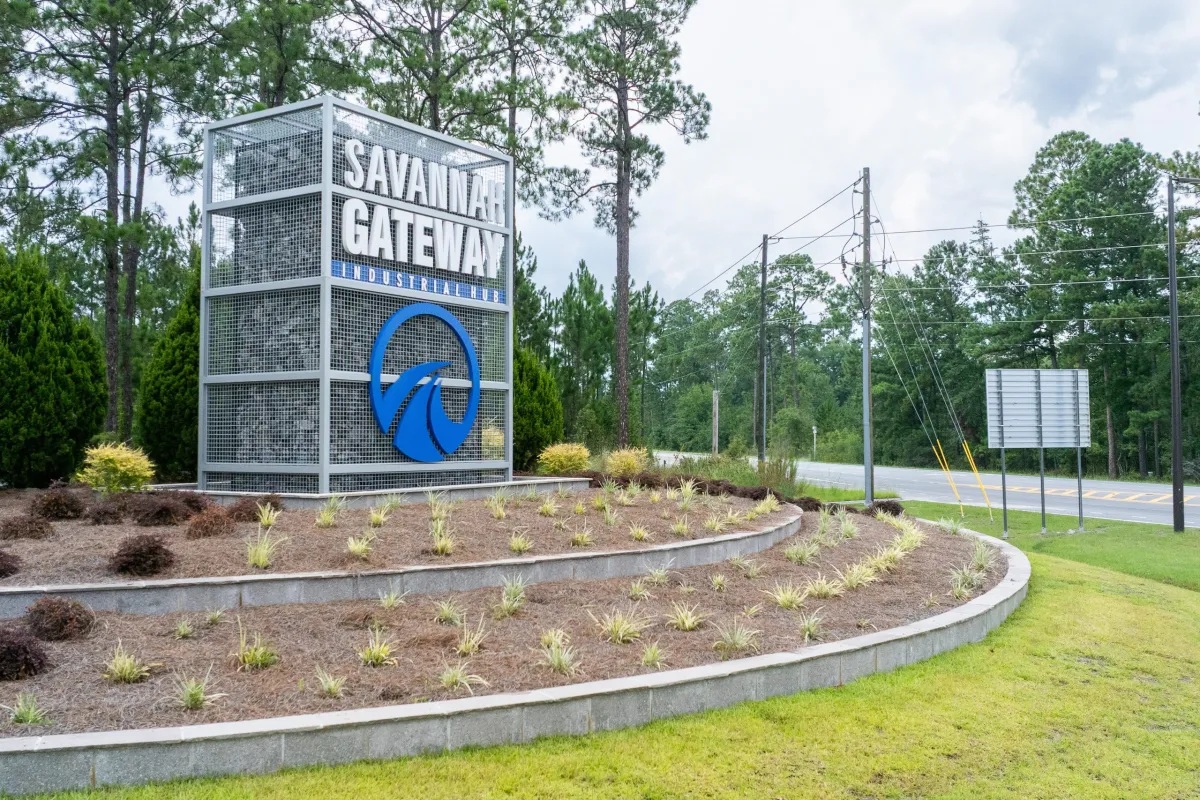
Georgia’s utility regulators at the Public Service Commission are reviewing a contract between OpenAI and Georgia Power to deliver electricity to the massive data center proposed for Effingham County.
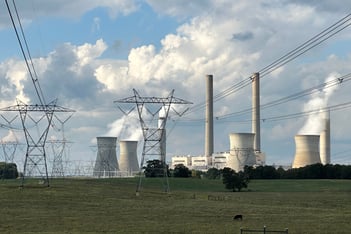
OpenAI, the company behind artificial intelligence giant ChatGPT, is developing the $20 billion data center campus that’s projected to launch in 2028. Georgia Power will provide the data center with 3.2 gigawatts of energy — enough to power over 2 million homes — to be delivered in phases from 2028 to 2032.
Public Service Commissioner Peter Hubbard told The Current that Georgia Power submitted to the PSC on July 15 a 100-page unsigned contract for electrical service at the proposed data center.
Under a rule the commission passed in April 2025 Georgia Power must provide the PSC all new contracts with data centers over 100 megawatts at least 30 days before execution.
At 3.2 gigawatts, the Effingham OpenAI data center will draw 32 times that threshold level of electricity.
When the Effingham facility was announced July 22, Georgia Power and OpenAI said that the tech company would pay for all construction costs for the utility infrastructure necessary to power the data center. The contract between the companies, it said, includes “financial assurances designed to protect Georgia Power customers” from higher rates.
While the PSC is required to review these large-load data center contracts, it does not have to vote to approve them.
Hubbard, one of two Democrats elected to the PSC last fall as part of a public backlash against rising electricity prices, said he expects the contract to go into effect Aug. 14.
“There is no effective contract date until both parties sign, which I would expect to happen promptly 30 days after filing,” he said.
Last year’s rule states that the PSC staff can file objections to a contract and “the company and commission staff will work together in good faith to resolve any such objections.”
If staff does not file an objection within 30 days, the contract is considered approved. If staff files an objection, the contract shall be approved if the commission takes no action within 30 days after the staff’s filing.
Hubbard was elected to a one-year term on the five-member PSC in a special election in November 2025. He’s on the ballot again this year, this time for a full six-year term.
At a data center forum in Savannah in June, Hubbard said loopholes in the rules the PSC passed in 2025 allow a company to make only four years of payments, instead of a full 15. In speaking to supporters at a fundraiser in Savannah Saturday, Hubbard outlined his concerns about the Effingham OpenAI project.
“One is that it’s a long-dated contract, but they can get out of that contract before the end of it, and so the dollars aren’t there to go to the end of the contract. And if they do that, then someone has to pay for the infrastructure that was built. And if it’s Republicans controlling the commission, it means ratepayers pay it. If it’s Democrats on the commission, it means shareholders eat that, so we need data center accountability,” he said.
“The other thing too in this contract, there’s no provision for clean energy. It’s going to come from the grid which is half fossil (fuel energy) or more. Data centers can do better.”
Hubbard’s opponent last fall and for the upcoming election is Republican Fitz Johnson, who was appointed to the PSC in 2021 and was on the commission when the April 2025 data center order was issued.
In a text exchange with The Current, Johnson said existing protections are sufficient.
“Georgia’s large-load customer protections are among the strongest in the country, and many other states have looked to our framework as they develop their own policies,” he wrote.
“But having strong rules is only part of the equation. Those rules have to be enforced. It’s like criminal law. You can have the toughest laws on the books, but if they aren’t enforced, they don’t protect anyone. The same is true here. The Public Service Commission must ensure these agreements are followed.”
Hubbard said he’s worried there may be no one to hold responsible if companies go bust.
“I just don’t trust that the AI bubble is not going to burst, and it’s a big risky bet that they’re asking us to take, and that’s my concern with this and other data center projects. So if all goes right, then yeah, maybe those dollars will flow, and I’m just skeptical.”
This story was provided by WABE media partner The Current GA.