Are you a lucky winner of a gift card? Maybe you have a surprise IRS refund waiting, or you need to click a link to verify your bank account. You might even owe toll charges from a state where you’ve never driven the highways.
Those scenarios are some of the most common pretexts used in spam texts, or “smishing,” the use of SMS texts by scammers attempting to compromise data and pilfer money. And if you think the problem is getting worse, you’re not wrong.
Americans received 19.2 billion spam texts in February — a sharp rise from last fall, according to Robokiller, a spam-blocking company. Another spam-blocker firm, Truecaller, said last year that 86% of Americans surveyed reported receiving spam texts.
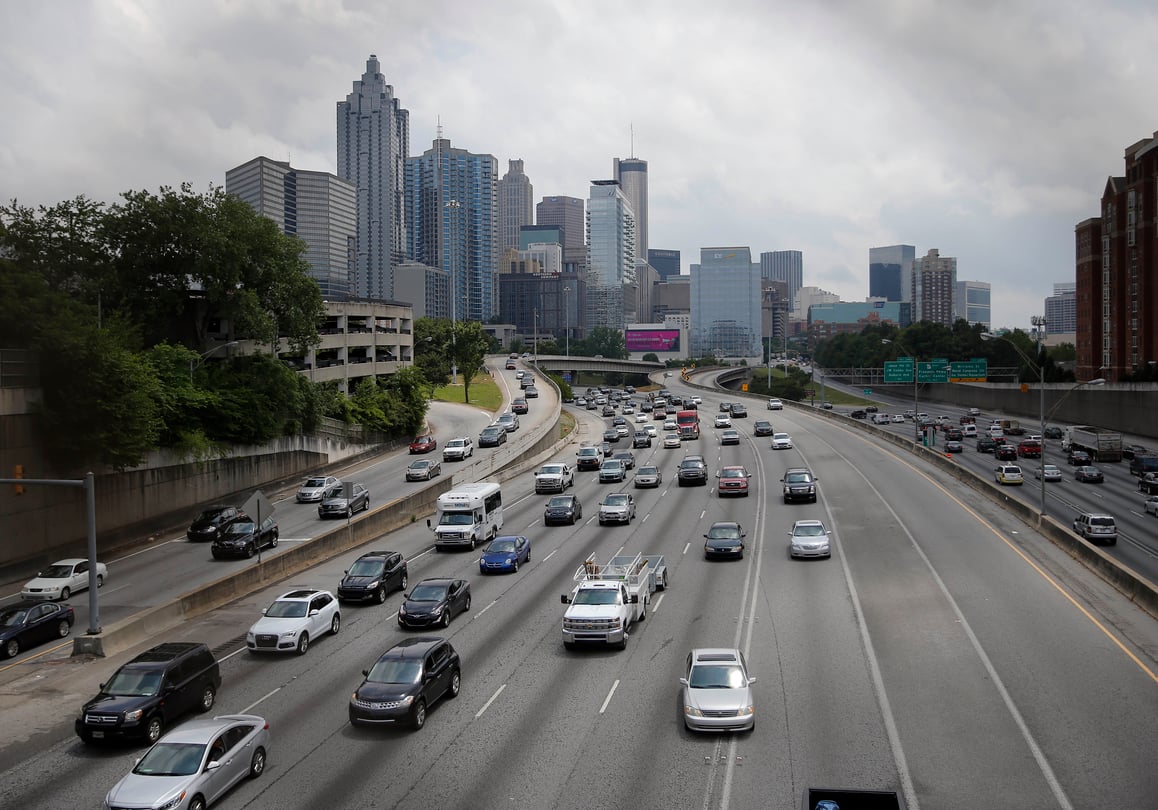
“Got a text about unpaid tolls? It’s probably a scam,” the Federal Trade Commission said in a January consumer alert, warning of a widening ploy.
Why am I getting texts about unpaid tolls?
Smishing rose by 22% in the third quarter of 2024, according to the Anti-Phishing Working Group, an international nonprofit. It added that scammers were impersonating entities that weren’t previously frequent targets, from gas and electric companies to municipal ticket payment agencies.
Read this story now for free
To continue reading, sign up for our newsletter and get unlimited access to WABE.org
You can select your preferences for news and local content. We will never share your email address. Learn how your newsletter sign-up will support WABE and Public Media