A new report from the Georgia Department of Behavioral Health and Developmental Disabilities reveals that suicide is the second leading cause of death for children ages 10 through 14. Suicide is also the third leading cause of death for Georgians between the ages of 15 and 24. In 2023, at least 249 people under the age of 24 died by suicide in Georgia. On Wednesday, for the “Closer Look” series focusing on National Suicide Awareness and Prevention Month, show host Rose Scott talked with several guests about the impact of suicide on Georgia’s youth and efforts to spread awareness about prevention and resources.
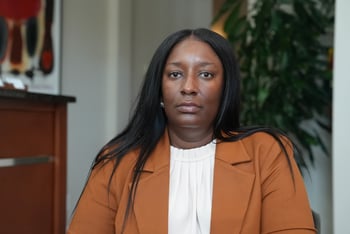
First, Scott spoke to Dr. Chinwé Williams, a nationally recognized licensed therapist and author of the book, “Calm, Courageous, and Connected Kids: A Parent’s Guide to Raising Emotionally Resilient Children.” Williams talked about the correlation between a child’s mental health and their parents or caregivers. She then addressed what parents can do to best support their children’s mental health.
We then heard from Derrick Matthews, the director of research science for The Trevor Project. Data from The Trevor Project’s 2024 Survey on the Mental Health of LGBTQ+ Young People in Georgia found that 38% of LGBTQ+ youth in Georgia seriously considered suicide. This number rises to 42% among transgender and nonbinary individuals. Matthews talked more about the survey and the work of The Trevor Project.
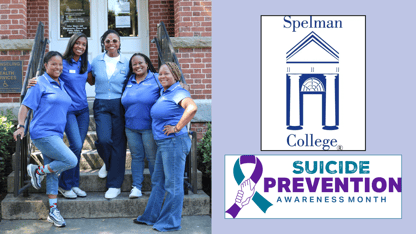
Lastly, according to the American Foundation for Suicide Prevention, suicide is the second leading cause of death among college students. In the U.S., it’s estimated that 24,000 college students attempt suicide every year, and approximately 1,100 die by suicide annually. Scott spoke with Marcy Stidum, the assistant vice president of student wellbeing at Kennesaw State University, and Dr. William Procter, the associate director of counseling services at Morehouse College, about their respective institutions’ resources and ongoing efforts to raise awareness and promote suicide prevention on their campuses.
You can reach the National Suicide & Crisis Lifeline by calling or texting 988. You can also reach counselors with The Trevor Project by phone at 1-866-488-7386 or by texting 678-678.
Here are several free or low-cost mental health resources in the Atlanta / Fulton & DeKalb areas. Always call ahead to confirm eligibility, costs, and whether there are waiting lists.
Hotlines and statewide lines available in Atlanta
- Georgia Crisis & Access Line (GCAL) — 24/7 crisis, referral, help connecting to local services. Call 1‑800‑715‑4225
- Open Path Collective – Atlanta — For a one‑time membership fee ($65), you can access therapy sessions priced $40‑$70 (or $30 for student/intern sessions).
- NAMI Georgia Helpline — Free support, information, and referrals (non‑crisis). (770) 408‑0625
- Mental Health Hotline (Atlanta) — Free, confidential support 24/7: 866‑903‑3787
Local clinics & sliding scale or free options in Atlanta
- Fulton County Adult Behavioral Health Services — Therapy, psychiatric assessment, group counseling, etc. Free or sliding scale for uninsured adults. (For all of Fulton County, including Atlanta)
- Grady Behavioral Health Center — Sliding scale fees based on income. (404) 616‑4444
- DeKalb Community Service Board (CSB) — Free or sliding-scale mental health services for low-income or uninsured individuals. 23 Warren Street SE, Atlanta, (404) 370‑7474
- Comprehensive Counseling Solutions — Services on sliding scale, or free for those qualifying. 2636 MLK Jr Drive SW, Atlanta, (770) 933‑6289
- Sage Center STEP Program — Reduced fees (sliding scale) via supervised counseling interns or residents. Based in Atlanta; apply via their “STEP” process
- Samaritan Counseling (Atlanta) — Sliding fee scale based on income & assets. (404) 228‑7777
- NAMI Georgia Helpline — Information, peer support, resource referrals (non‑crisis). (770) 408‑0625
- National Depression Hotline (for Georgia) — Free, confidential help for depression or anxiety. 866‑629‑4564
Tips & additional counseling options
- Universities’ training clinics/psychology programs — Many universities (e.g. Emory, Georgia State) have psychology or counseling training clinics where students provide therapy under supervision, often at reduced cost. (These are often listed under “low cost counseling in GA” overviews)
- Faith-based or community organizations — Some churches or nonprofit groups offer free counseling or support groups. Ask around locally.
- Sliding scale private therapists — Use directories (e.g. Psychology Today, Open Path) and filter by “sliding scale / low cost” to find individual therapists in your ZIP who accept lower fees.
- Use GCAL or NAMI line — These hotlines can often help you find the nearest clinic that fits your income