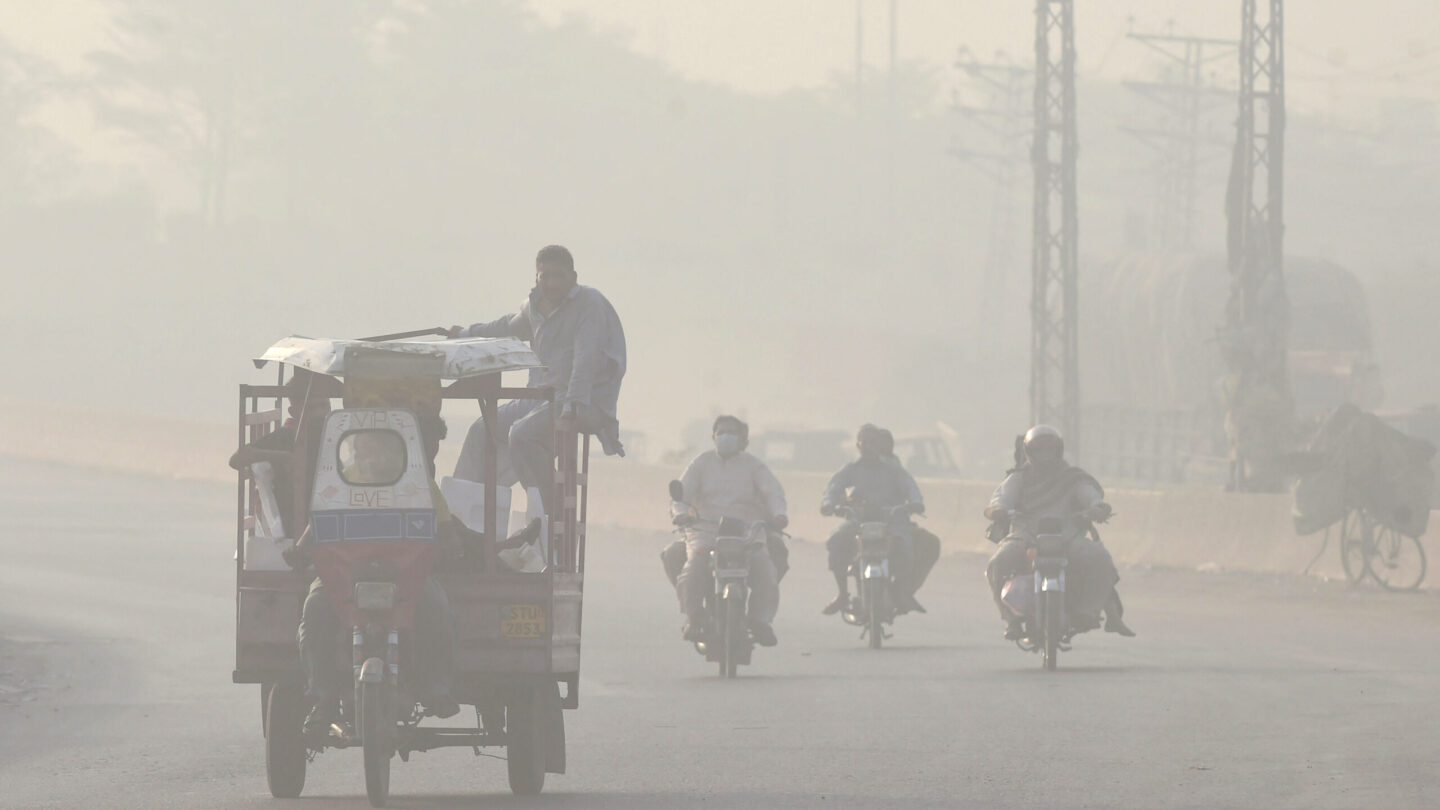
This summer, daytime temperatures topped 100 degrees for a full month in Phoenix. In northwest China, temperatures soared above 125 degrees. Southern Europe withstood waves of 100-plus degree days. Wrapped together, heat waves illustrate a sobering reality: human-driven climate change is making extreme heat worse worldwide. But health-threatening heat isn’t the only outcome of record-breaking weather: air pollution spikes when the temperatures rise, according to a new report from the World Meteorological Organization.
“Climate change and air quality cannot be treated separately. They go hand in hand and must be tackled together to break this vicious cycle,” WMO Secretary General Petteri Taalas said in a press release.
The new report, which focuses on 2022, highlights the growing risk of air pollution connected to wildfires. Hotter temperatures increase the risk of large, hot-burning fires, which can pump enormous plumes of smoke into the air. That smoke causes health problems near the fire but also for people thousands of miles downwind.
Read this story now for free
To continue reading, sign up for our newsletter and get unlimited access to WABE.org
You can select your preferences for news and local content. We will never share your email address. Learn how your newsletter sign-up will support WABE and Public Media