Two top officials who resigned last week from the U.S. Centers for Disease Control and Prevention are warning of grave threats to public health under the Trump administration.
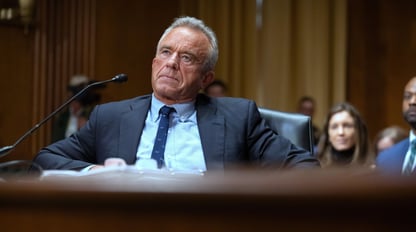
The officials resigned in protest of Health and Human Services Secretary Robert F. Kennedy’s management of the Atlanta-based agency.
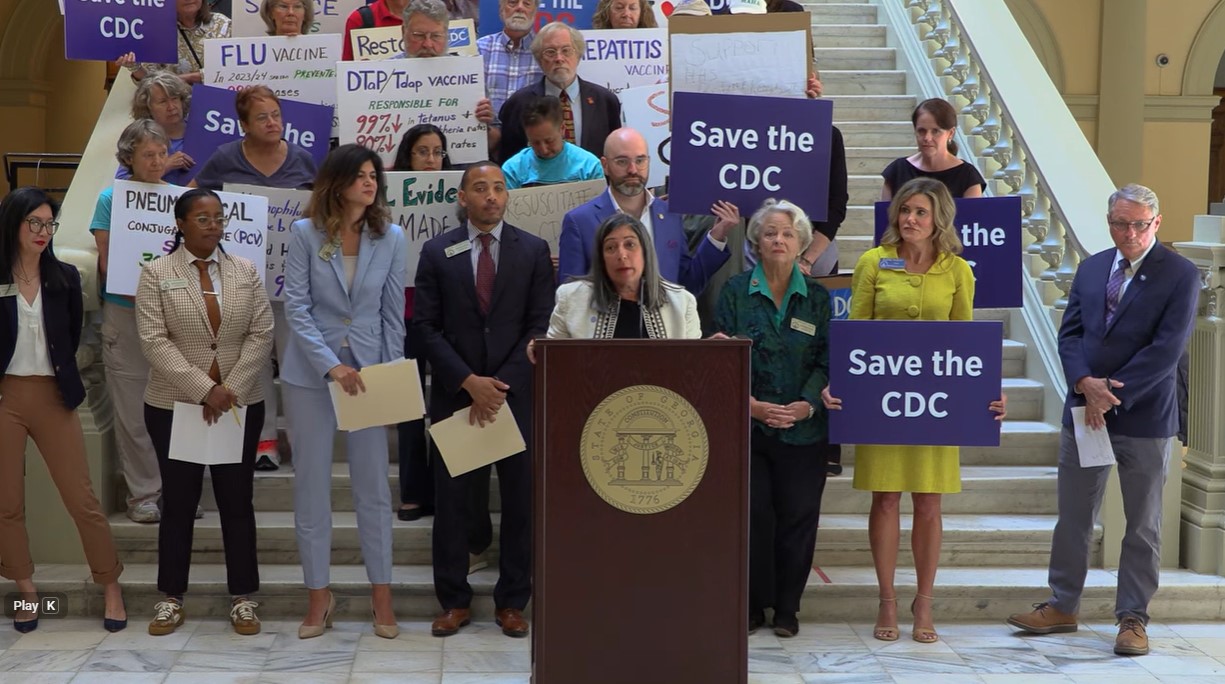
The two officials spoke alongside Democratic lawmakers at the Georgia State Capitol on Tuesday, as some of their former colleagues held up hand-made signs touting the success of vaccines against deadly diseases like influenza, whooping cough and meningitis.
“When I look at how right now, decisions about vaccines are being made based on opinion, and not data or science, that concerns me,” said Dr. Deb Houry, who served as the CDC’s chief medical officer.
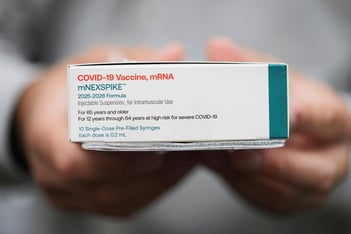
In June, Kennedy fired all 17 members of a key panel that makes immunization recommendations and appointed several vaccine skeptics. The Food and Drug Administration, which is under HHS, also issued new guidelines sharply restricting who can get COVID-19 vaccines.
Kennedy also moved to oust CDC director Susan Monarez, who had just been confirmed by the Senate this summer, amid disagreements over vaccines.
The new acting director, Jim O’Neil, is a Silicon Valley tech investor.
“This would be the first non-physician or non-scientist, and I do think it’s important when that new bug or pathogen happens, or when there’s an outbreak, to know what to do,” Houry said.
Kennedy claims CDC has lost public trust, critics say his policies in conflict with science
Kennedy has doubled down on his approach.
“The Centers for Disease Control and Prevention was once the world’s most trusted guardian of public health,” Kennedy wrote in a Wall Street Journal piece this week. “Its mission — protecting Americans from infectious disease—was clear and noble. But over the decades, bureaucratic inertia, politicized science and mission creep have corroded that purpose and squandered public trust.”
Dr. Daniel Jernigan, who until last week was director of the CDC’s National Center for Emerging and Zoonotic Infectious Diseases, said the administration is making policy that is in conflict with science.
“My concern is that anything coming out after a couple of weeks from now, placed on the CDC website with regard to vaccine safety, I’m not so sure if we can trust that information,” Jernigan said.
In August, a man fired shots at several buildings on the CDC campus. Authorities say the suspect blamed the COVID-19 vaccine for his mental health issues. The tumult also comes after months of cuts to CDC programs, funding and staff.
“As there are cuts to CDC, there will be cuts to the state health department and services like monitoring food-borne illnesses or vector control, things like that you may not even know is happening around you, you’ll start to see that that’s not happening,” Jernigan said.