This coverage is made possible through a partnership between WABE and Grist, a nonprofit environmental media organization.
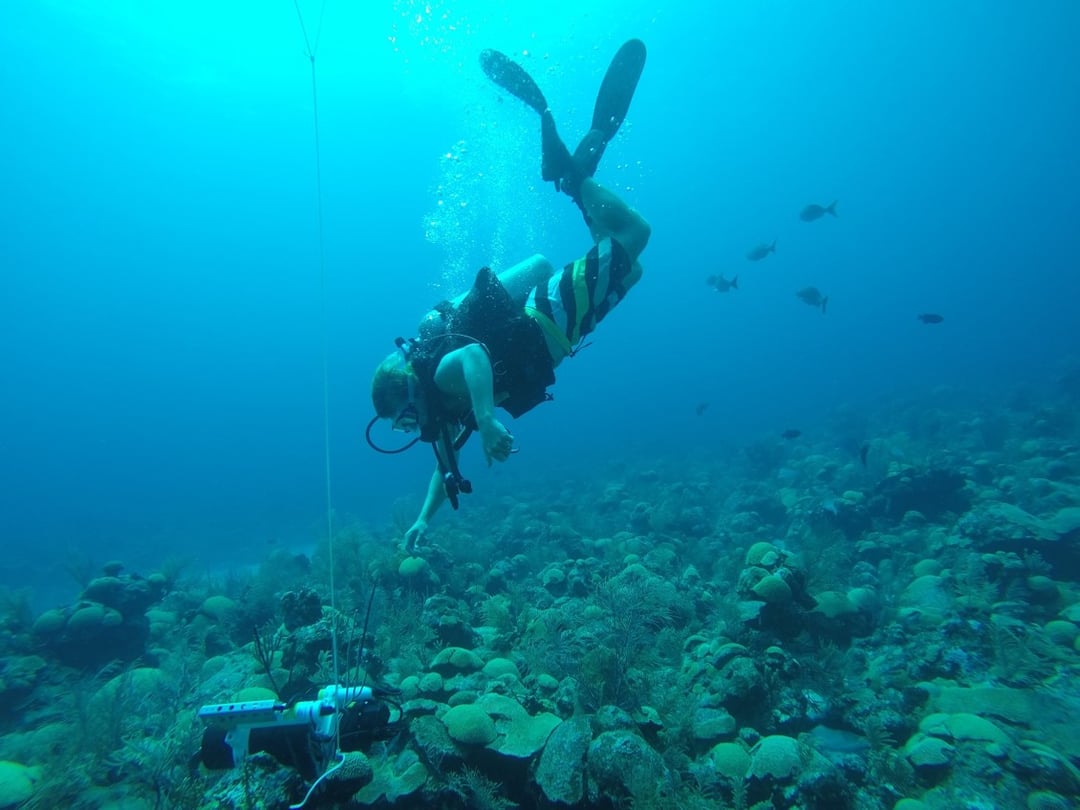
The world’s oceans absorb nearly a third of global carbon dioxide emissions. Seagrass beds, in particular, are carbon-storing powerhouses. While less than 1% of the seafloor is made up of seagrass beds, those beds store about 11% of the ocean’s buried carbon, according to the National Oceanic and Atmospheric Administration.
But soaking up all that carbon can cause ocean water to become more acidic, a problem that scientists have been tracking for years.
Read this story now for free
To continue reading, sign up for our newsletter and get unlimited access to WABE.org
You can select your preferences for news and local content. We will never share your email address. Learn how your newsletter sign-up will support WABE and Public Media