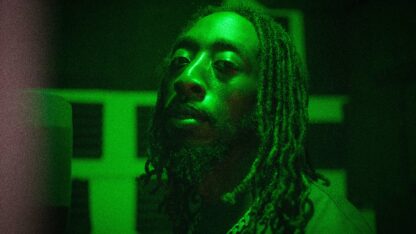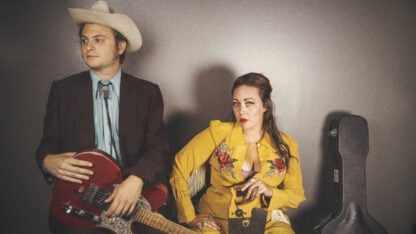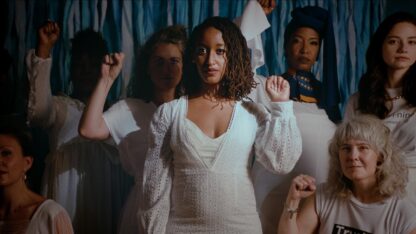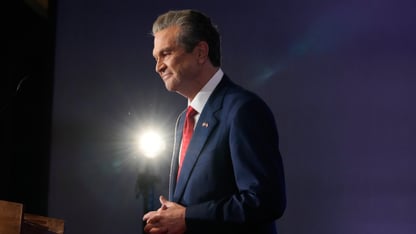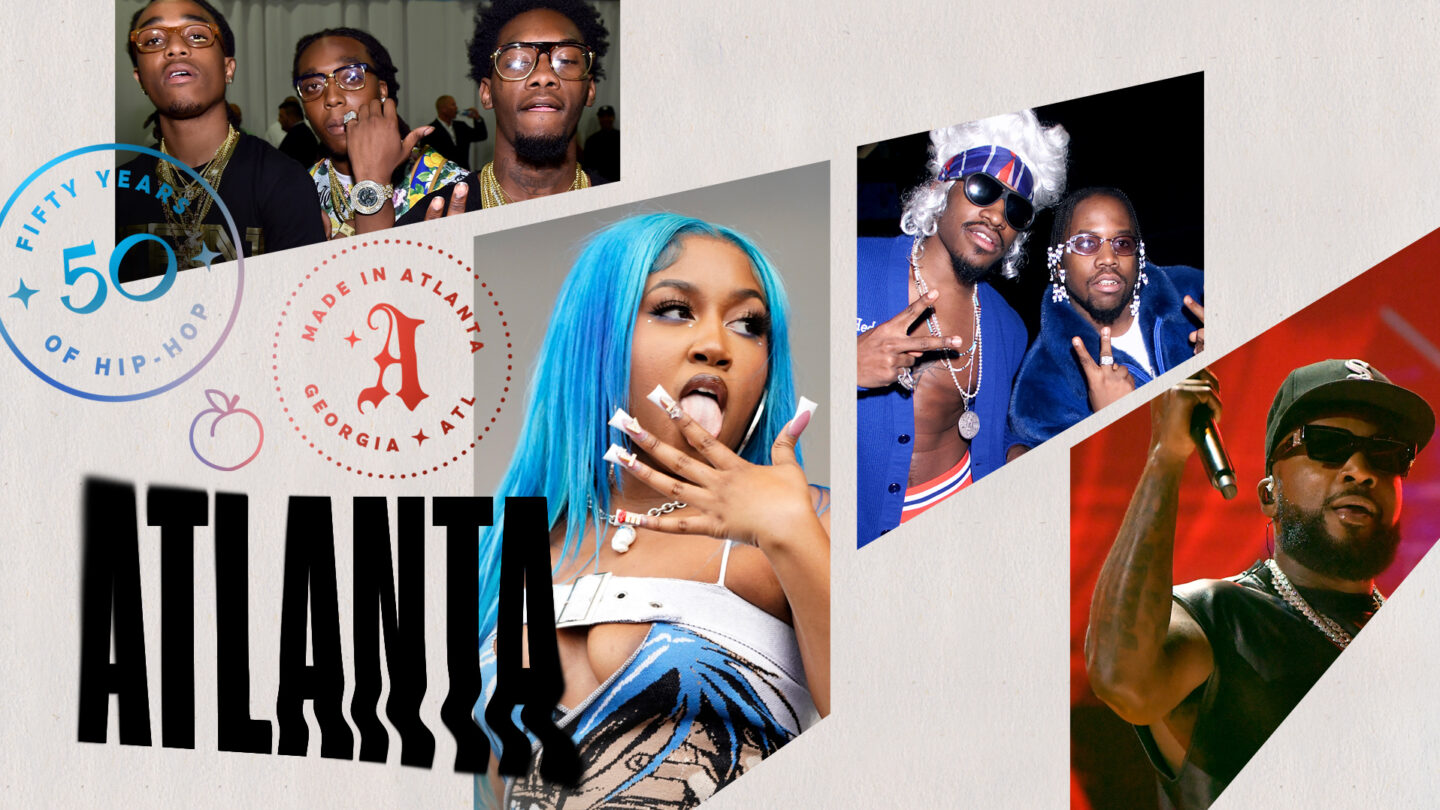
For evidence of Atlanta’s continued ability to produce music that feeds both the underground and the mainstream, look no further than Young Nudy‘s single “Peaches & Eggplants,” with his cousin, the stoic cutthroat 21 Savage. The song, with its wordless hook (“Boaw, boaw, boaw, boaw”) and hypersexual lyrics nodding to raunchy Atlanta jams of the past, is insanely catchy, but there is also an Easter egg within: 21’s verse strikingly reimagines the local 2006 hit “Bubble Gum” by K-Rab and D4L. Nudy and Savage, who is currently on tour with Drake, have risen because their music feels both ways at once: authentic and hyperlocal, and yet deceptively accessible and ubiquitous. This, too, is the story of Atlanta. Its Black culture feels singular, yet mirrors other Black experiences, throughout the South and elsewhere in the nation. That is how its hip-hop scene became the center of the rap universe, the last semblance of a monoculture. Its unique perspective is born of a place that is as fascinating as it is complicated. The legend of “Black mecca” — of the “rap capital” — is crafted by both locals and transplants, and classism is essential to its narrative, as income inequality separates Atlanta’s Black elite from those living in housing projects. It is a legacy built on resistance, but also compliance. Amid these opposing truths, Atlanta teeters but never falls from its pedestal.
Though hip-hop is in its 50th year, rap in Atlanta has only been thriving for half its run. At the height of the East Coast-West Coast battle for rap dominance, an incredibly tense 1995 Source Awards would mark the start of a new paradigm. The bi-coastal conflict rendered the South (or the Third Coast) all but invisible, and the jeering that ensued after Outkast won best new artist emphasized how little room there seemed to be for a new player — or new playas. A very annoyed Andre 3000, half of the winning Atlanta duo, unwittingly rallied the hip-hop in the region with an impromptu declaration: “The South got something to say.”
In retrospect, the moment is a clear turning point, for the South and for Atlanta in particular, but the latter was still trying to figure out its musical identity. The scene was born in earnest in 1980, when King Edward J opened Landrum’s Records & More, self-releasing a series of “J-Tapes,” personalized mixtapes that set the foundation for Atlanta rap that would follow. (These tapes found their way into the possession of rappers like Killer Mike and Young Jeezy.) Scattered victories followed: the rapper Mo-Jo became the first MC to get local airplay (1983), MC Shy D signed to Miami’s Luke Records (1986), producer Jermaine Dupri brought the precocious kids of Kris Kross to the top of the Billboard Hot 100 (1992) and the so-called “anti-gangstas” Arrested Development won the Grammy for best new artist (1993).
Read this story now for free
To continue reading, sign up for our newsletter and get unlimited access to WABE.org
You can select your preferences for news and local content. We will never share your email address. Learn how your newsletter sign-up will support WABE and Public Media