Climate change, driven primarily by burning fossil fuels, pushed temperatures so high last year that scientists were astounded when 2023 became the hottest year on record. Communities like Oklahoma City are now preparing for a future with extreme temperatures by understanding which areas are the hottest.
Last year, Oklahoma City joined 14 other cities in a national project through the National Oceanic and Atmospheric Administration (NOAA) to map where heat lingers in neighborhoods. Oklahoma City’s Office of Sustainability, in partnership with the University of Oklahoma, and other environmental organizations, recruited volunteers to act as “citizen scientists” to help researchers gather key data.
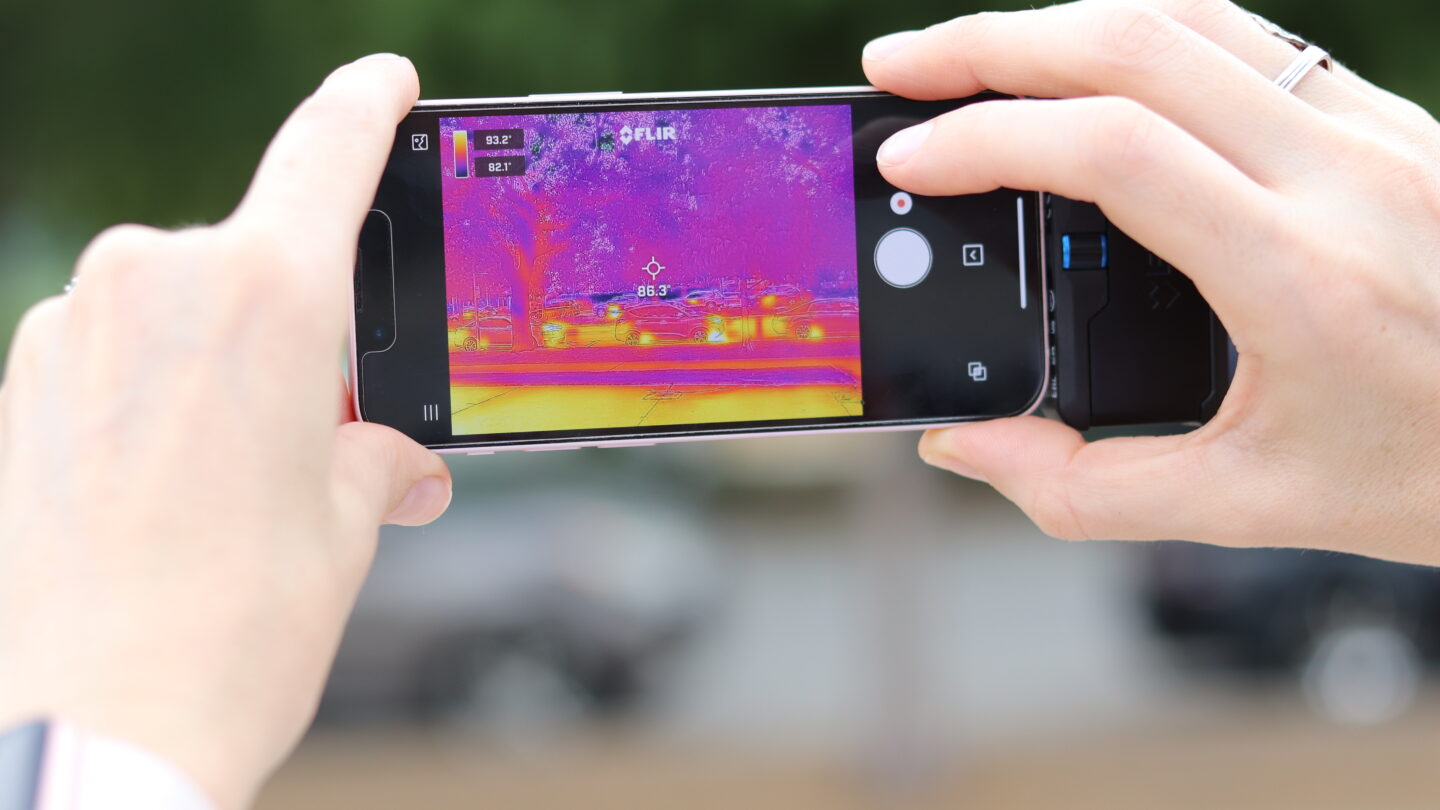
Those citizen scientists attached air quality and heat monitoring sensors to their cars to take air and temperature readings of the hottest neighborhoods in Oklahoma City on an August day last year.
Read this story now for free
To continue reading, sign up for our newsletter and get unlimited access to WABE.org
You can select your preferences for news and local content. We will never share your email address. Learn how your newsletter sign-up will support WABE and Public Media