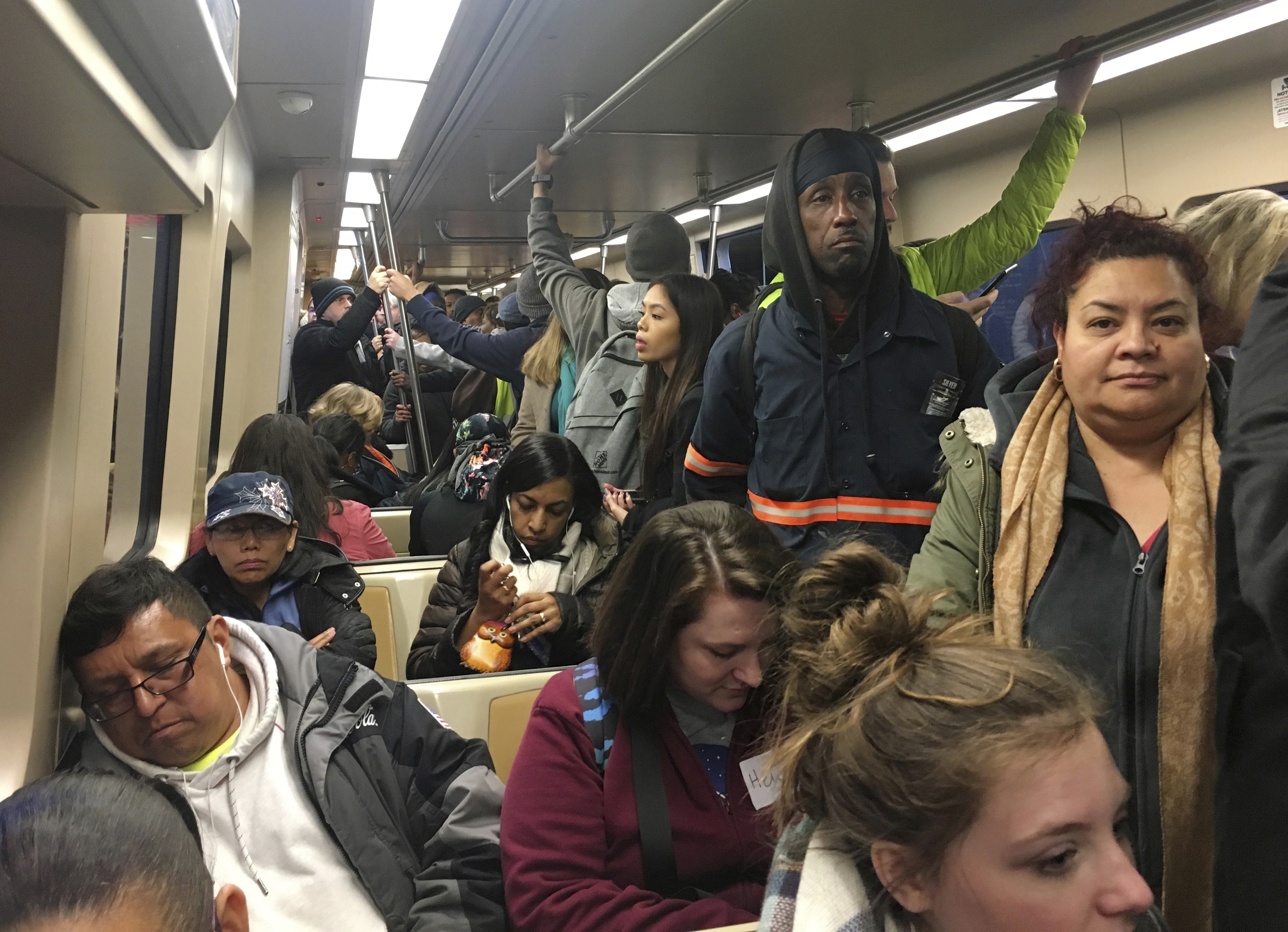
Commuting sucks. And working from home is awesome. At least, that’s what most people seem to think. And the data is compelling: studies have found that many people find their commute alienating and exhausting. It can even be bad for our relationships. A 2021 Zebra survey found that more than a third of those polled would take a pay cut to shorten their commutes. One study found that 40% of workers would rather clean their toilet than commute to their workplace.
One big reason people want to ditch their commutes: they can save money. They found this out during the pandemic, of course. In 2019, just 6% of Americans worked primarily from home in 2019. By the end of 2020, that number had increased to more than 33.3%. An Upwork study in September of that year found the average American had saved $2,000 by ditching their commute. LendingTree weighed in with a study that found that remote work led to debt reductions of approximately $9,117 for the average American. Meanwhile, 60% of millennial and adult Gen Z respondents to a Bankrate survey that year said that working from home was financially beneficial.
But before we consign the commute to a concrete coffin and bury it a thousand feet under the sea, Kristie McAlpine would like us to consider the notion that our commutes could be used to positive effect. Kristie is an assistant professor of management at Rutgers University. She and her co-author, Matthew Piszczek of Wayne State University, wrote a paper recently that explored the value of the commute as a transitional buffer between work and home.
Read this story now for free
To continue reading, sign up for our newsletter and get unlimited access to WABE.org
You can select your preferences for news and local content. We will never share your email address. Learn how your newsletter sign-up will support WABE and Public Media