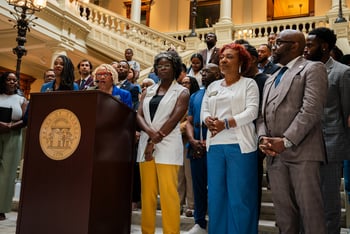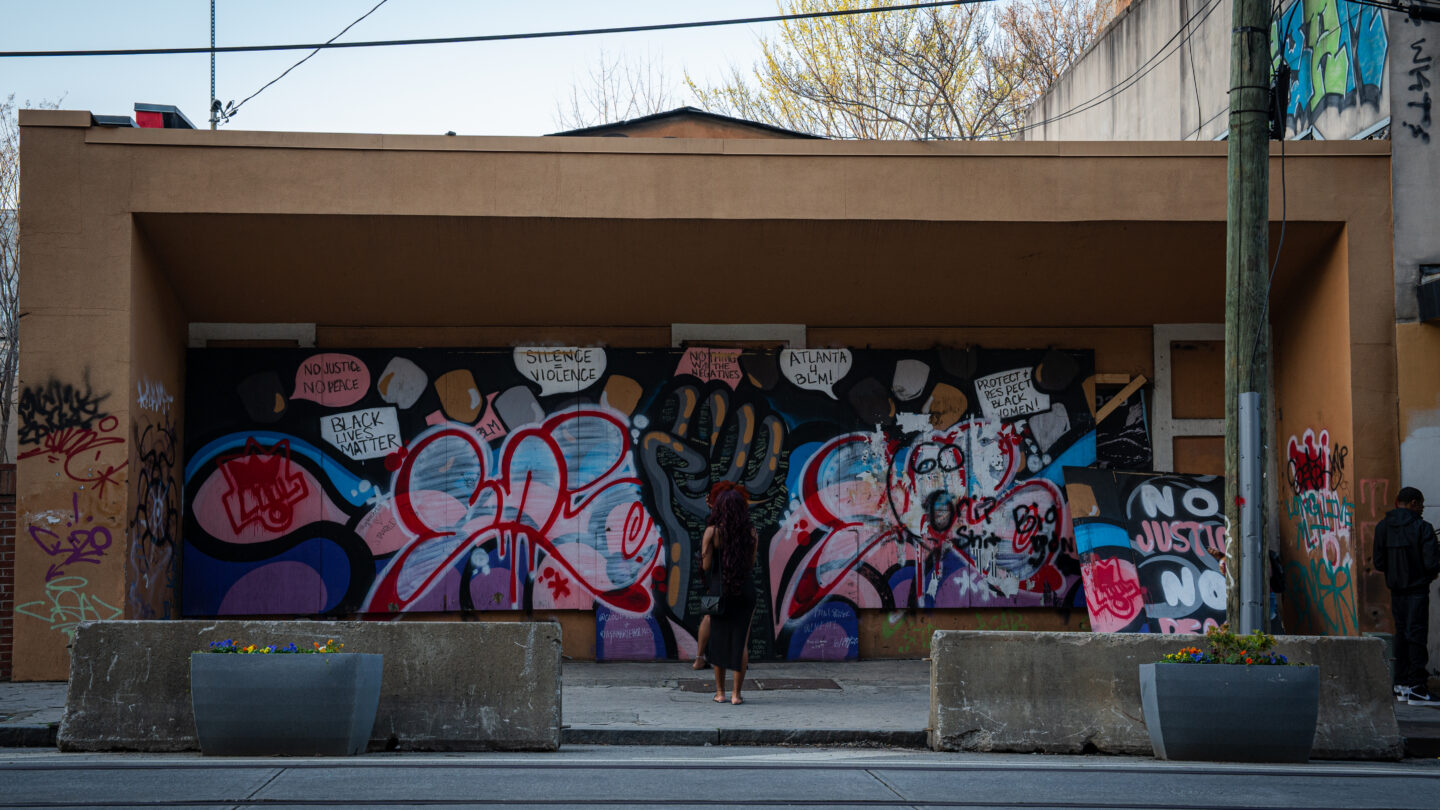
More than 200 cities and counties declared racism was a public health crisis in the past few years, mostly after George Floyd was murdered by police in Minneapolis in May 2020. Racial justice advocates said they finally felt heard by the quick swell of political will to address disparities like disproportionate COVID-19 deaths or infant and maternal mortality rates.
The declarations “signified this might be us finally breaking through the noise that they haven’t been willing to hear,” said Ryan McClinton, who works at the nonprofit Public Health Advocates in Sacramento County, California. Marsha Guthrie, the senior director at the Government Alliance on Race and Equity, called 2020 a “catalytic moment for us to kind of reimagine social consciousness.”
“Think about the … decades (and) decades of just fighting to get the conversation about race even centered in the American psyche,” she said. “Now people talk about it as a general course of fact.”
Read this story now for free
To continue reading, sign up for our newsletter and get unlimited access to WABE.org
You can select your preferences for news and local content. We will never share your email address. Learn how your newsletter sign-up will support WABE and Public Media