If Joe Biden’s presidency had a capstone achievement, it was the Inflation Reduction Act, and if the IRA’s project of reindustrializing America through climate action has a poster child, it is Georgia. The Peach State is home to more new jobs expected to result from American clean energy projects announced since the law’s passage in August 2022 than any other state.
Those jobs — some 42,000, according to a report, shared with Grist first and publishing later Tuesday by Georgia Sen. Raphael Warnock — are now at risk, as congressional Republicans consider repealing some or all of the IRA’s tax credits to pay for President Donald Trump’s proposed tax cuts. The report argues that the possibility that IRA incentives may be discontinued has already had an impact. In February, two battery manufacturers, Freyr Battery and Aspen Aerogels, cancelled plans for new factories in Georgia. Those projects would have together brought 1,400 jobs to the state and invested nearly $3 billion.
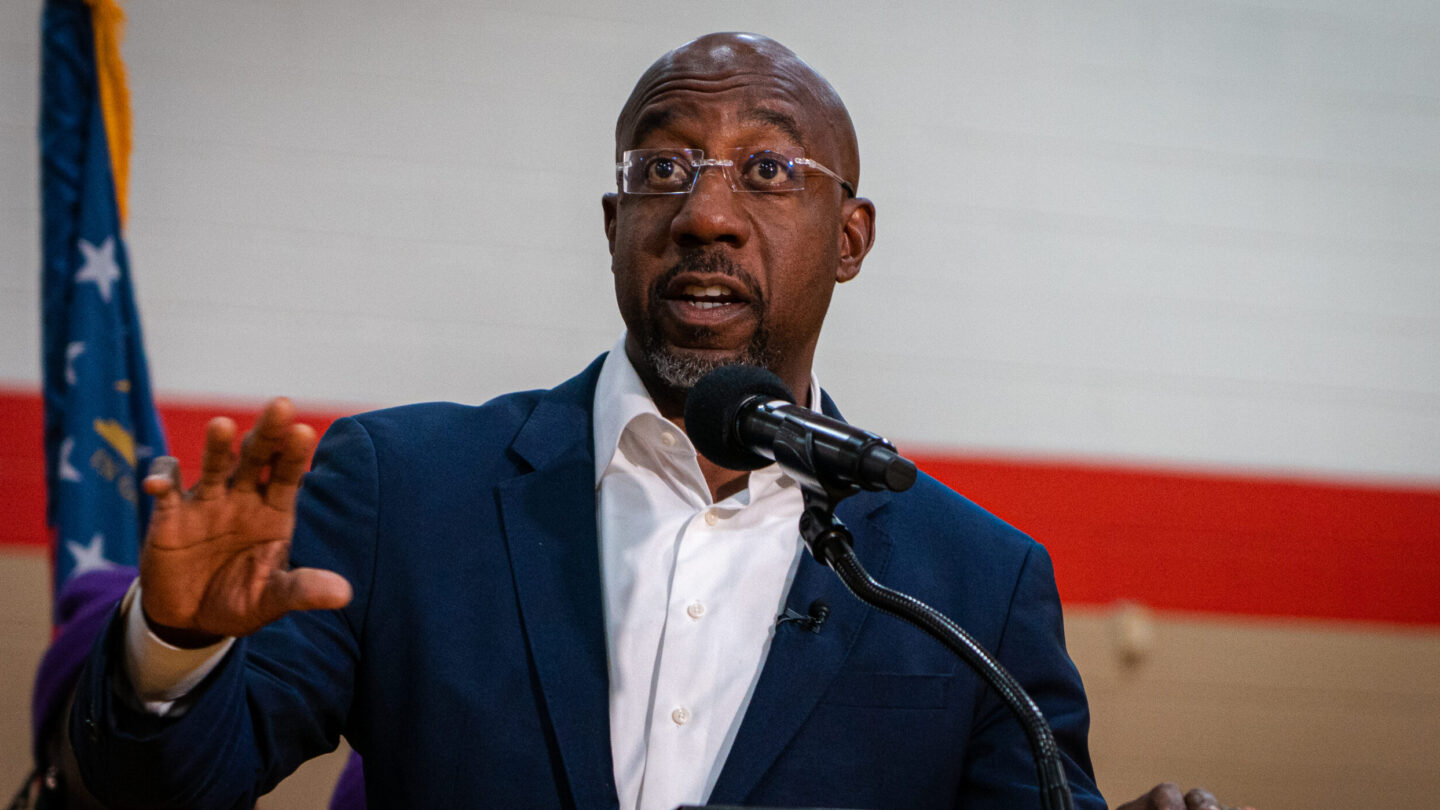
The Republicans weighing whether to kill the IRA must contend with the politically inconvenient fact that it disproportionately benefits their constituents. “While this legislation was passed through reconciliation — a Democrat-only bill, ironically — three out of four of all the projects funded by the IRA have gone to House districts held by Republicans,” Warnock told Grist. “This is especially true in Georgia: 80% of the projects, 94% of the total investment, and 75% of the jobs are in Republican districts. I think that’s the reason why you are seeing a significant number of House Republicans — and I suspect that you will see more — standing up and saying, ‘We like these jobs.’”
Just as the IRA was born out of one president’s dream legislative package — the Build Back Better plan — its destruction may come from his successor’s “Big, Beautiful Bill.” This is Trump’s nickname for a wish list of trillions of dollars in tax cuts and other policies that he hopes to pass through budget reconciliation, a procedure by which Congress can bypass the Senate filibuster and pass laws by majority vote. The reconciliation bill must follow the self-imposed blueprint crafted by Congressional Republicans in April according to which they must find at least $1.5 trillion in savings to offset the new spending.
The disagreement within Republican ranks has played out in a raft of letters from congresspeople advocating for the preservation of various IRA tax credits. One House Republican, Mark Amodei of Nevada (home to the only operating American lithium mine) recently went so far as to suggest he wouldn’t vote for a reconciliation bill that repeals either of two key IRA tax credits: the 45x advanced manufacturing credit, which incentivizes production of solar and wind energy components, batteries and critical minerals, and the 30d tax credit, which grants a credit of $7,500 to individuals who buy electric vehicles built in the U.S.
The situation presents elected Democrats with the strategic question of how, in the absence of voting power, to persuade their Republican colleagues to hold on to dollars that flow to their own districts. Warnock’s solution is simply to make the case for the IRA in public. By considering a repeal of the bill, “what they’re proposing is a job killer, pure and simple,” Warnock told Grist. “And the economics of killing jobs in Georgia in order to give tax cuts to billionaires in the name of creating jobs is silly on its face.”
Read this story now for free
To continue reading, sign up for our newsletter and get unlimited access to WABE.org
You can select your preferences for news and local content. We will never share your email address. Learn how your newsletter sign-up will support WABE and Public Media