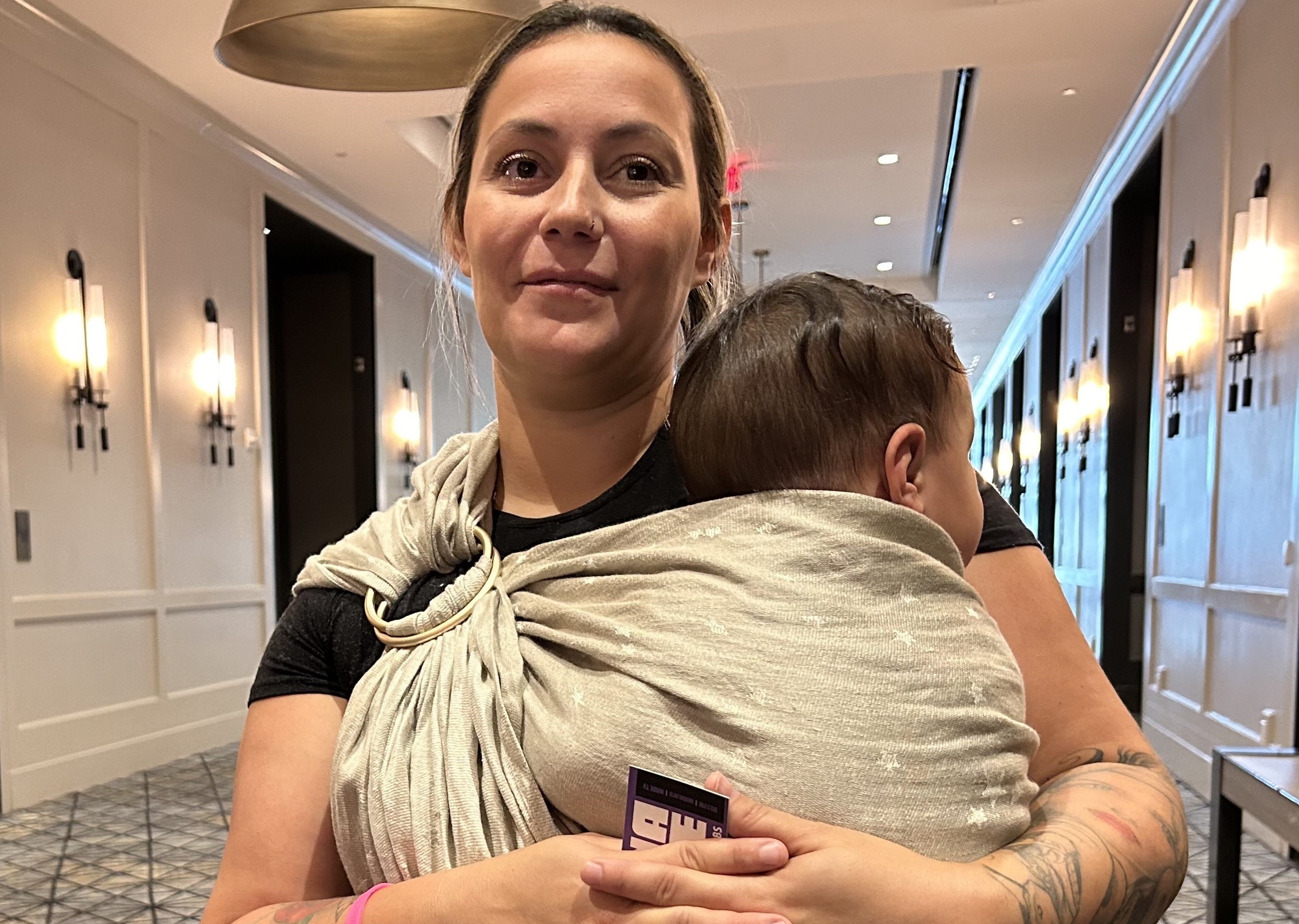
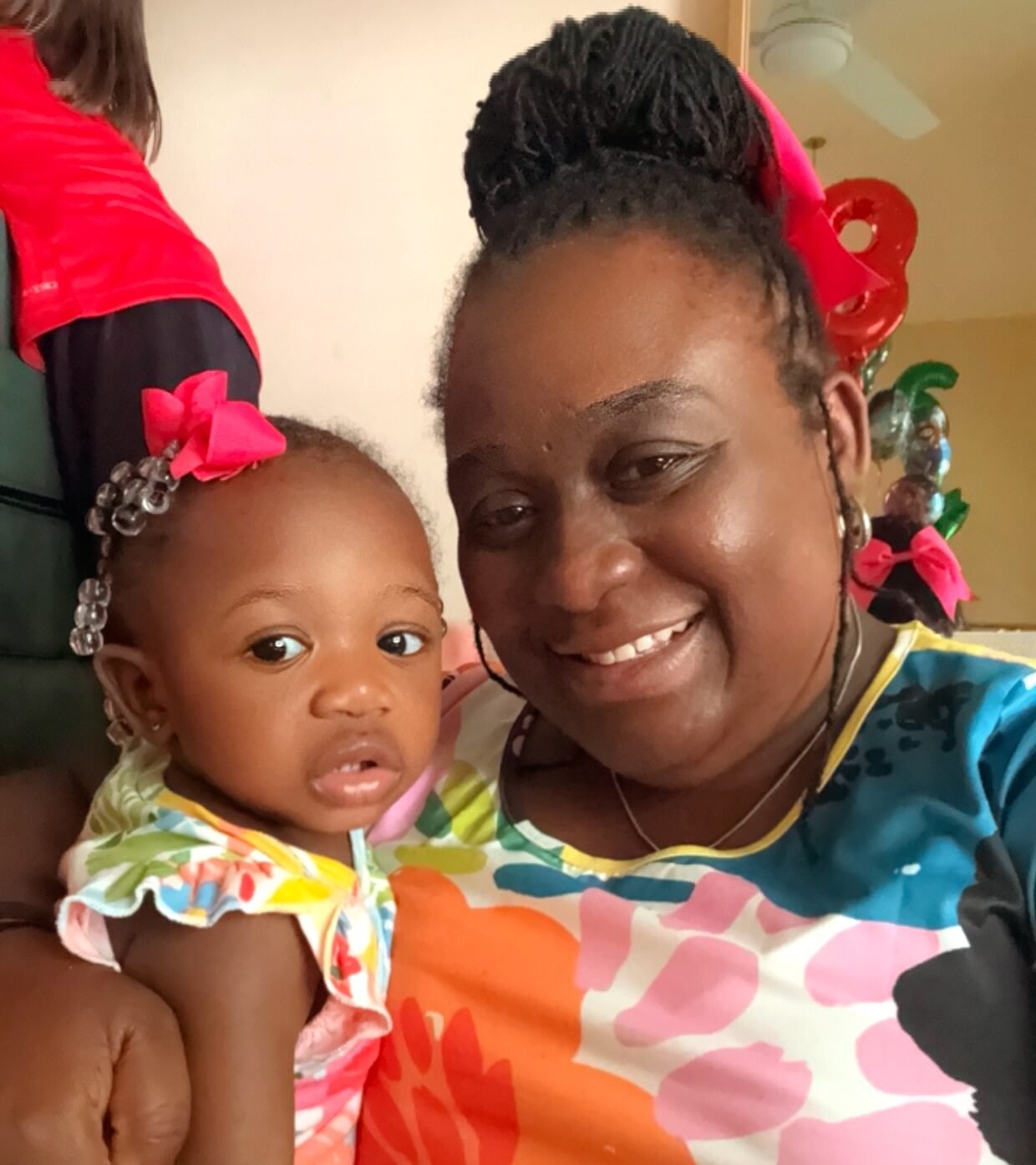
A few years ago, Callie Beale Harper was living in a small town east of Newnan when she got pregnant. She and her husband were thrilled.
“And much to my surprise, it was twins,” said Beale Harper, 38. “At first you have that moment of, oh my gosh, I have a lot to figure out. So I started researching. And I started looking at, you know, double baby carriers. We were very excited.”
Then came more news. Testing revealed that one twin fetus likely had chromosomal abnormalities. She needed a Maternal-Fetal Medicine specialist for her high-risk pregnancy. Appointments weren’t easy to find near her area.
“So, I started calling offices between Atlanta and Savannah just saying like, I really like some eyeballs on this as soon as possible so that I can best prepare and couldn’t find anything,” Beale Harper said.
“We’re losing another vital piece of the puzzle when women in the state of Georgia are already behind on access to obstetric care.”
Dr. Lara Hart, an Assistant Obstetrics and Gynecology Professor at the Medical College of Georgia.
Every new medical appointment meant more phone calls, another wait, another long drive.
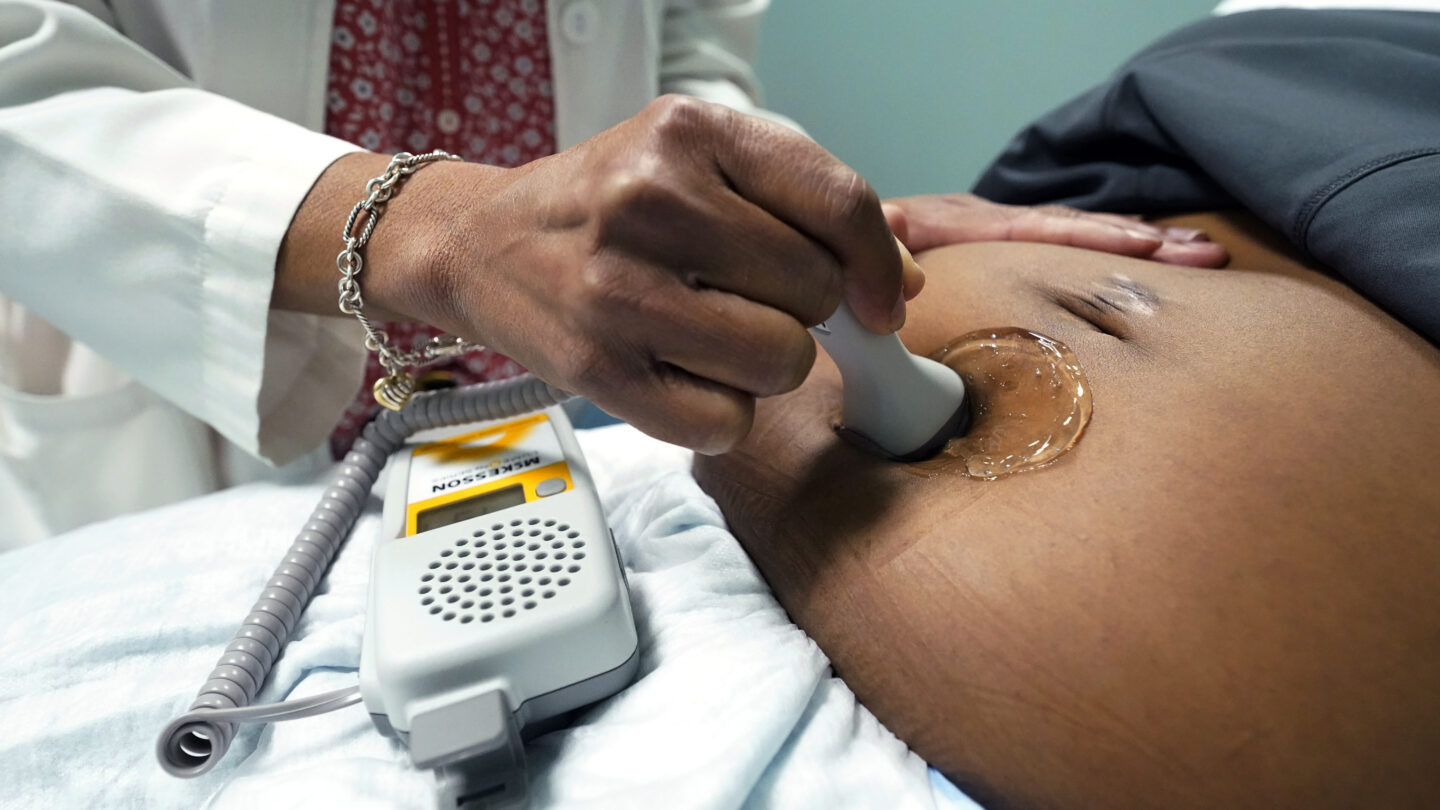
It’s a situation more pregnant Georgians are facing as access to OB-GYN services shrinks. And one that could get worse as the Trump administration cuts billions of dollars in federal Medicaid funding over the next decade — funding hospitals rely on to provide maternal health care and cover uncompensated care.
Georgia is set to lose nearly $1.75 billion in federal rural Medicaid spending, according to a KFF Health News analysis.
The state has seen its first hospital obstetrics unit close since President Donald Trump signed the GOP’s tax and spending law, previously known as the “One Big Beautiful Bill Act.”
St. Mary’s Health Care System recently announced it was discontinuing labor and delivery services at St. Mary’s Sacred Heart Hospital in Lavonia, and transferring existing patients to its facility in Athens, about an hour’s drive away. Officials blame insurmountable financial headwinds, in part linked to the Trump administration’s health care cuts.
“This decision follows an extensive 18-month discernment process that included intensive efforts to recruit additional physicians, create new partnerships, and pursue incremental funding sources. Changing demographics in our region, physician recruitment challenges, increasing outmigration for labor and delivery services, and recent Congressional cuts to Medicaid solidified this decision,” St. Mary’s Health Care System officials said in a written statement.
Rural patients and providers have raised concerns that the loss of more maternity care in northeast Georgia means fewer options overall in a state where more than one-third of counties already lack maternity care, according to the March of Dimes, and where a ban on abortion at around six weeks of pregnancy can further complicate access to OB-GYN services.
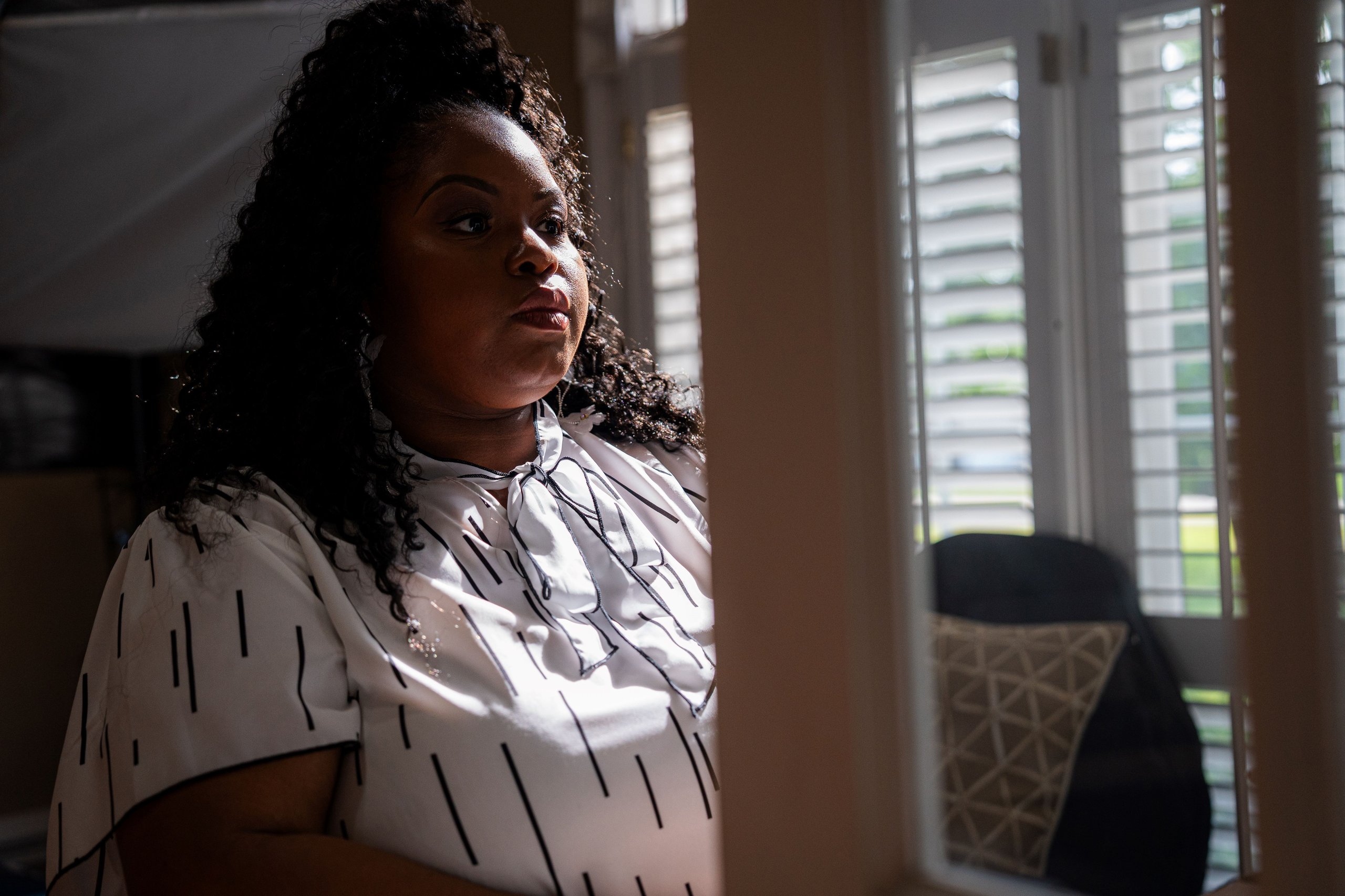
“We’re losing another vital piece of the puzzle when women in the state of Georgia are already behind on access to obstetric care,” said OB-GYN Dr. Lara Hart, an Assistant Obstetrics and Gynecology Professor at the Medical College of Georgia. “In a health care desert, women have to travel farther to receive care,” Hart said.
The increased travel time is a hardship, particularly as checkups become more frequent later in pregnancy, or for patients with higher-risk pregnancies, she said.
“If you’re having to do that once or twice a week, that is a huge burden on you. And for a lot of these women, if you’re working any kind of job, let alone a lower wage job, an hourly job, you may not have the time off to do it. And so it snowballs into a huge financial burden, a health care burden,” said Hart.
Multiple studies back this up. Maternity care deserts are associated with poor prenatal and postpartum care and higher risks for complications, “and death for both mothers and babies in communities that do not have local maternity care services,” according to a report from the Center for Healthcare Quality and Payment Reform.
“Why drag this out and make it more challenging emotionally, financially, having to plan for this thing that I obviously would have never chosen for my baby?”
Callie Beale Harper
Nationwide, more than 100 rural hospitals have stopped offering labor and delivery services since 2020, according to the Center.
Delayed care can lead to dangerous complications, said Hart, especially when things go wrong with a pregnancy.
“Due to the fact that they weren’t near a place that could get them in and get them delivered. Or get them in and get them stabilized because now they’re having to be transferred to a facility farther away that can care for them,” she said.

In Beale Harper’s case, it took weeks to get the additional screenings she needed to assess her twin fetuses’ health and to consult with a specialist in Atlanta.
The test results were devastating, Beale Harper said.
“The specialist came in and he explained that it was no longer an issue of whether or not my baby had Down syndrome, but that structurally he was “incompatible with life.” There were issues with his brain, his heart, his GI tract. They were later unable to visualize his stomach,” she said. “That meant that he wasn’t going to live.”
Doctors advised a procedure called selective reduction to remove the fetus and try to save the healthy twin fetus as soon as possible to prevent infection or other potentially life-threatening complications.
But her Atlanta doctors said they couldn’t help. Her pregnancy still had a heartbeat.
The procedure wouldn’t be legal under Georgia’s abortion ban, H.B. 481, also called the “Living Infants Fairness and Equality (LIFE) Act,” which establishes “fetal personhood” for “an unborn child” at any stage of development in the womb.
“They explained that they were even unable to refer providers to me,” Beale Harper said.
By the time she got the selective reduction at a hospital in the Northeast, she was well into her second trimester.
The procedure went smoothly, but back home in Georgia, her condition spiraled. Her symptoms included a fever, bleeding and pain. Eventually, she developed sepsis.
“I was hospitalized 10 times in 10 weeks with resulting problems due to my delay in receiving timely care,” Beale Harper said.
Supporters of Georgia’s abortion restrictions maintain the law does not interfere with maternal health care, pointing to its exceptions for miscarriage, ectopic pregnancy and other complications.
Beale Harper said her ordeal was eye-opening.
“I should just be able to drive an hour down the road and get this procedure with this highly qualified doctor,” she said. “He is the person that I would want to provide care here. Why drag this out and make it more challenging emotionally, financially, having to plan for this thing that I obviously would have never chosen for my baby?”
She’s speaking out, she said, in hopes of helping others avoid a similar experience. For now, she’s grateful to have survived.
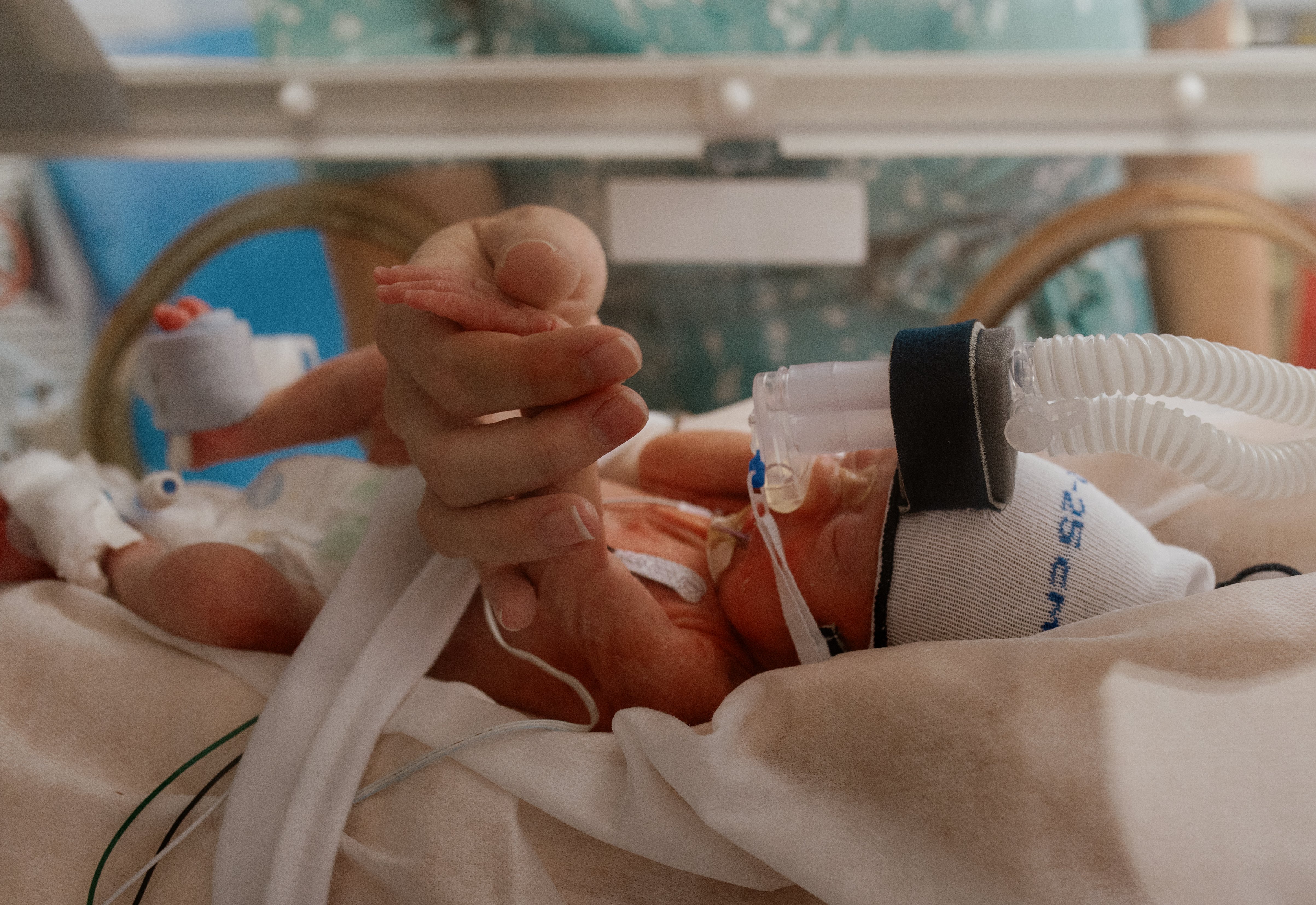
She gave birth to her surviving twin daughter at 27 weeks of pregnancy. After treatment in the Neonatal Intensive Care Unit, her daughter has fully recovered.
She turned 2 in October.