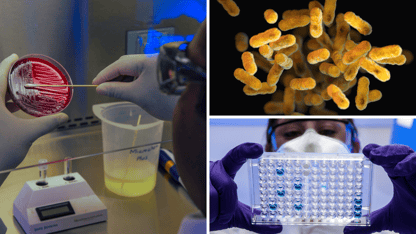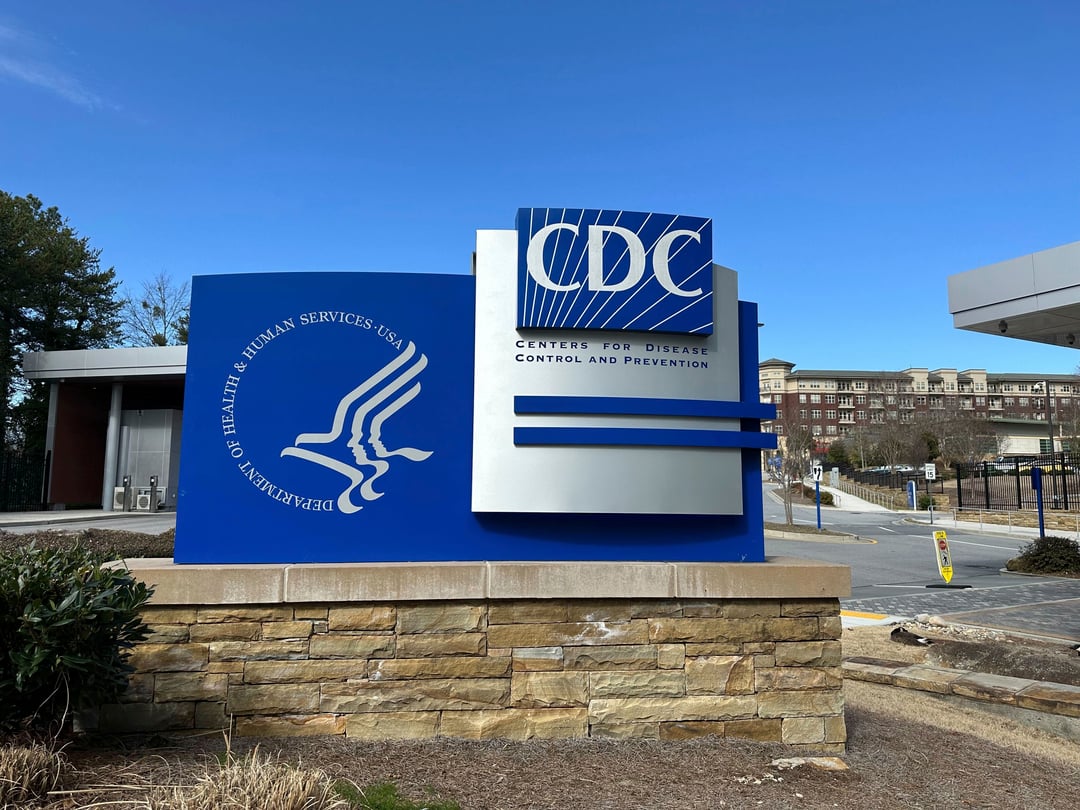
After people started testing positive for hepatitis C in a coastal Florida town in December, state officials collected blood from patients, wrapped their specimens in dry ice and mailed them straight to the Centers for Disease Control in Atlanta, Georgia.
The hepatitis C virus, which is spread through contact with infected blood and can lead to deadly liver cancer, is notoriously hard to identify. But if anyone could understand what was happening in Florida, it would be the Division of Viral Hepatitis in the CDC’s headquarters.
Using samples from the laboratory’s collection of nearly 1 million frozen specimens, scientists helped make the initial discovery of the hepatitis C virus in the 1980s. In 2020, that research was awarded the Nobel Prize in Medicine.
Read this story now for free
To continue reading, sign up for our newsletter and get unlimited access to WABE.org
You can select your preferences for news and local content. We will never share your email address. Learn how your newsletter sign-up will support WABE and Public Media