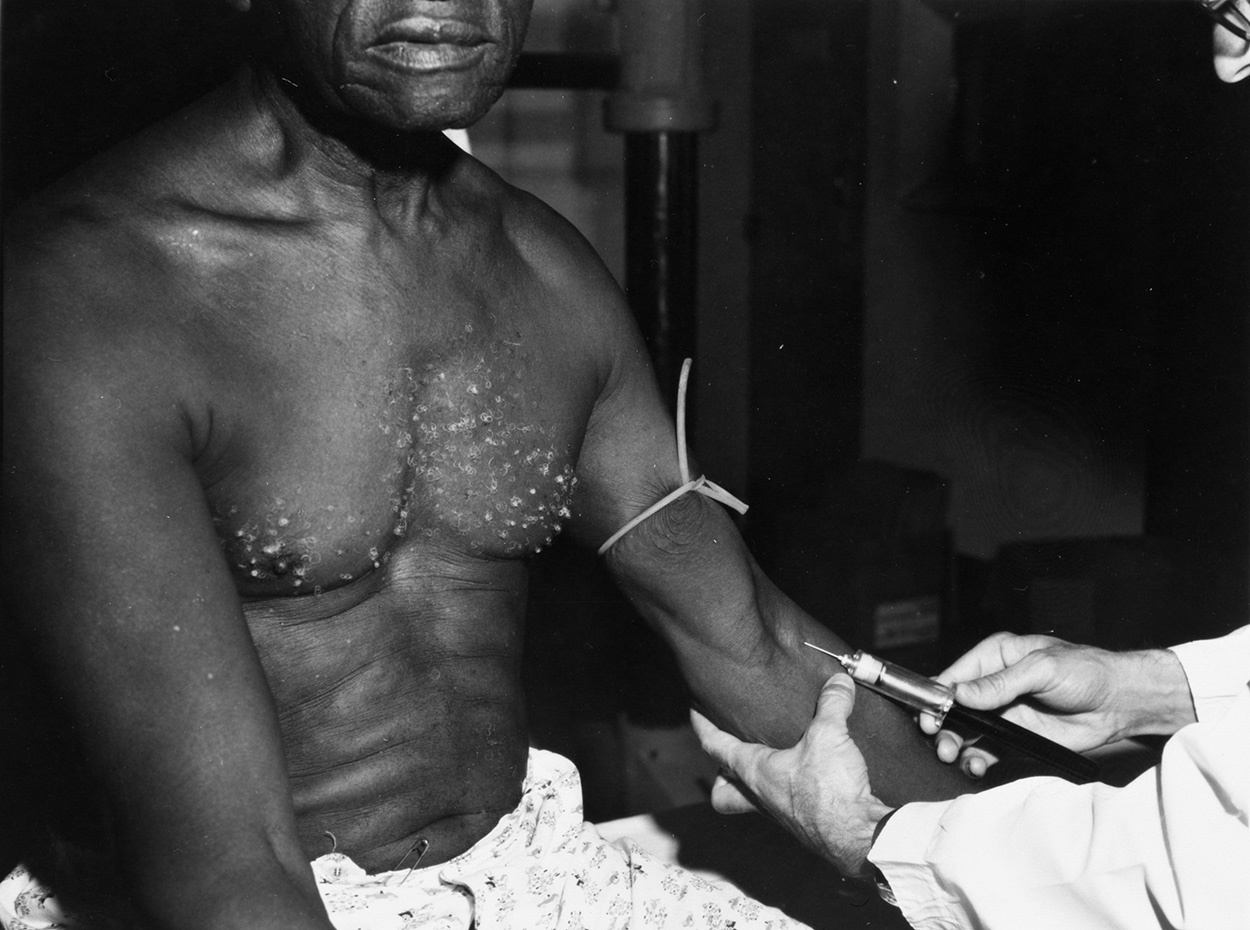
A lingering mistrust of the medical system makes some Black Americans more hesitant to sign up for COVID-19 vaccines. It has played out in early data that show a stark disparity in whom is getting shots in this country – more than 60% going to white people, and less than 6% to African Americans. The mistrust is rooted in history, including the infamous U.S. study of syphilis that left Black men in Tuskegee, Ala., to suffer from the disease.
In Tuskegee today, that 20th century tragedy is still very relevant, according to nurse Cheryl Owens, who grew up in the town. She’s been talking with friends and elderly relatives who say they’re afraid to get the COVID-19 vaccine.
“So, I asked why?” she says. “And it was like, ‘well, you remember that Tuskegee syphilis study. That’s why.’ ”
Read this story now for free
To continue reading, sign up for our newsletter and get unlimited access to WABE.org
You can select your preferences for news and local content. We will never share your email address. Learn how your newsletter sign-up will support WABE and Public Media