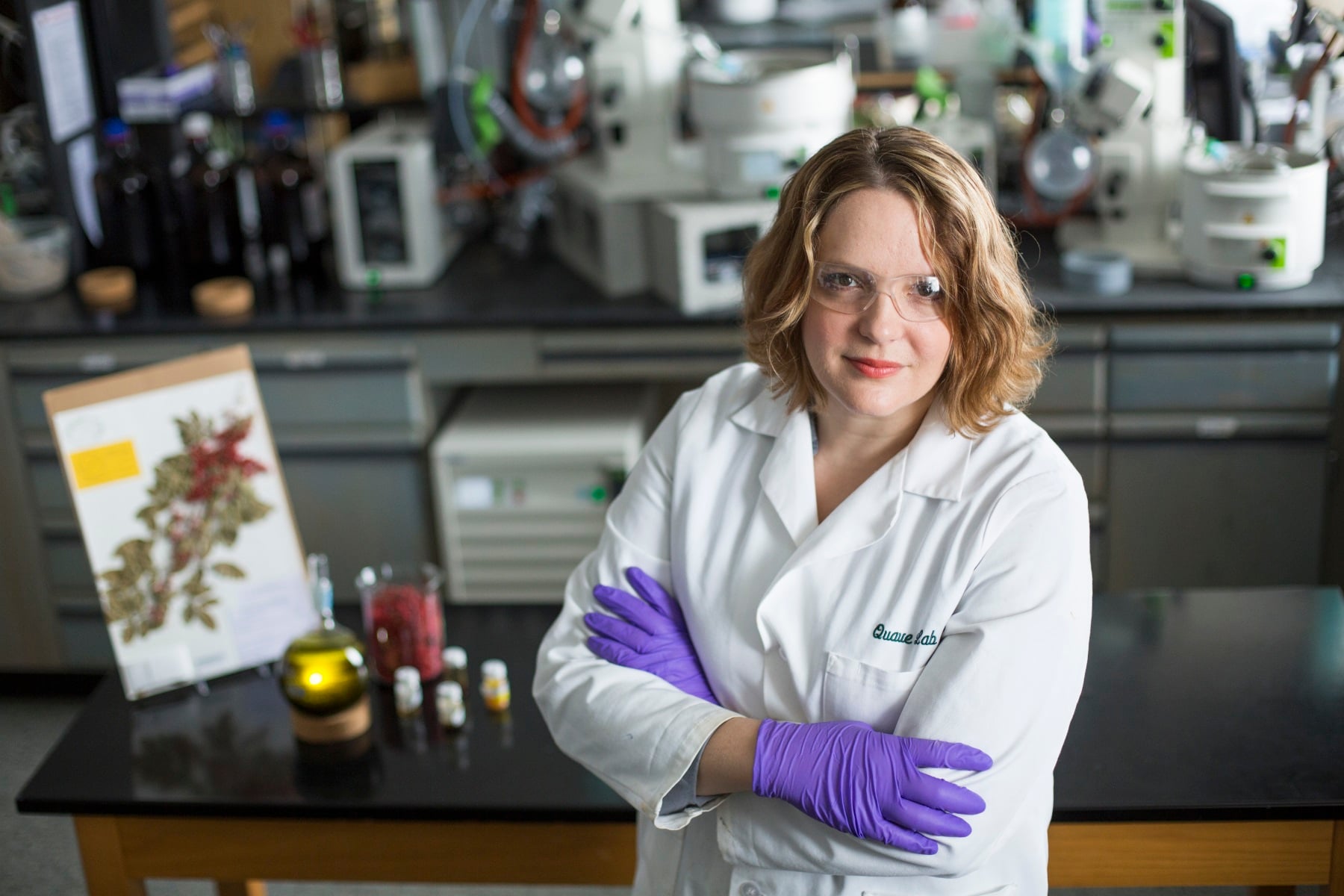
It’s bubbling, buzzing, humming and rattling in the small lab on the third floor of Emory University’s anthropology building. The room is packed with drying ovens, evaporators and centrifuges. Test tubes and petri dishes pile up behind glass windows. Researchers in lab coats scratch dark green powder out of mortar dishes.
This is where Cassandra Quave pursues a cure for infections, especially those that are resistant to common antibiotic treatments. But instead of developing more powerful antibiotics and joining a bacterial arms race, she revisits natural remedies that traditional healers have used for hundreds of years. Her work entails isolating, analyzing and testing the components in various formulations.
Quave is an ethnobotanist, the member of a small academic tribe located between biology and anthropology.
Read this story now for free
To continue reading, sign up for our newsletter and get unlimited access to WABE.org
You can select your preferences for news and local content. We will never share your email address. Learn how your newsletter sign-up will support WABE and Public Media