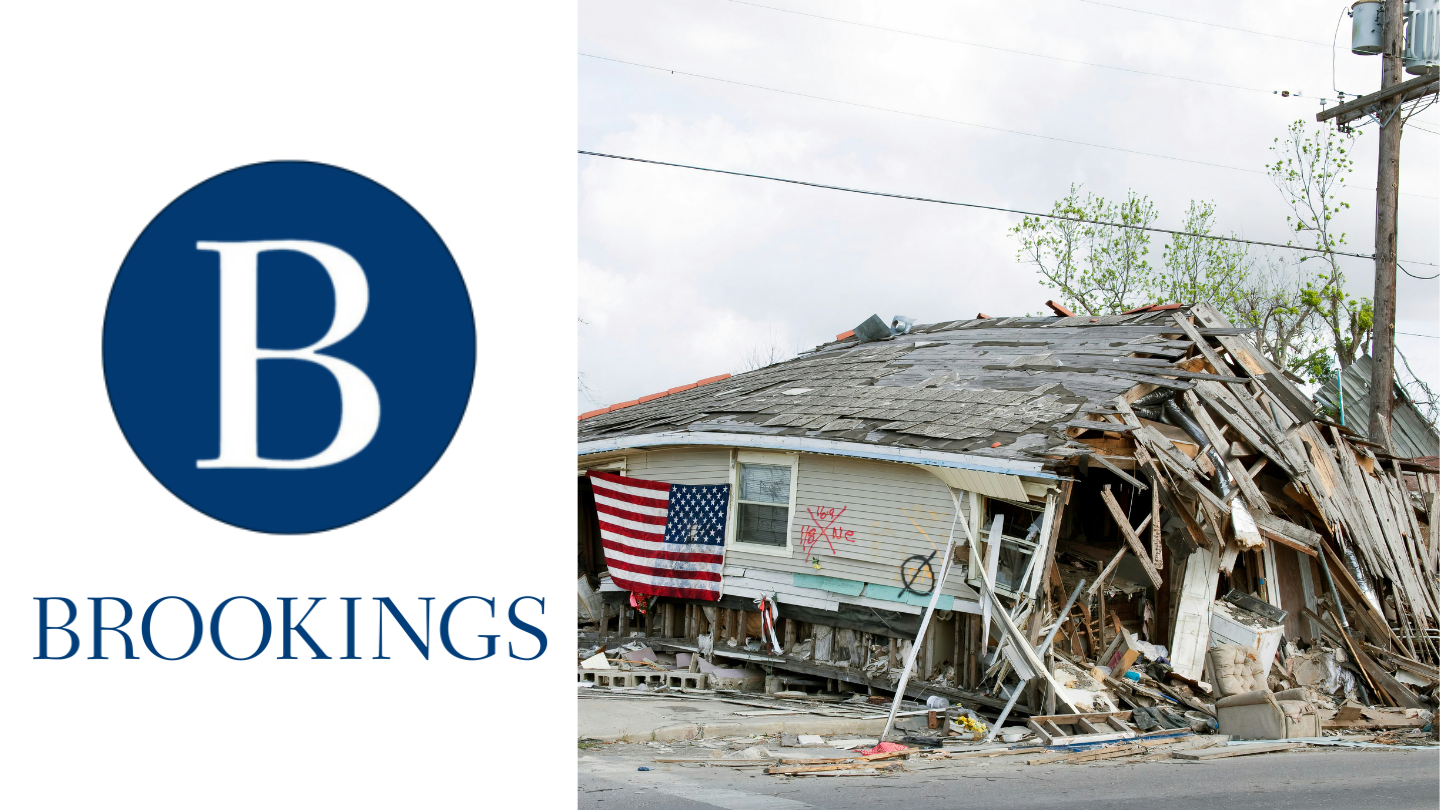
This month marks 20 years since Hurricane Katrina. There’s no official death toll; however, the number of fatalities is said to range between 1,100 and more than 1,800 following the aftermath of the Category 3 hurricane. Plus, millions of people were displaced.
Data shows that the catastrophic storm revealed several challenges, including disaster and emergency response failures, longstanding income and race divides in Louisiana, among other preexisting environmental injustices.
Now, a new report from the Brookings Institution’s Center for Community Uplift takes a deep dive to pinpoint how “environmental injustices and climate risks intersect to undermine resilience in metropolitan New Orleans” from Katrina to the present day.
Read this story now for free
To continue reading, sign up for our newsletter and get unlimited access to WABE.org
You can select your preferences for news and local content. We will never share your email address. Learn how your newsletter sign-up will support WABE and Public Media