After weeks of investigation, the Georgia Department of Natural Resources released its investigation report concluding a chemical spill from the City of Atlanta’s South River Water Reclamation Center is at fault for a fish kill on the South River in late June.
In the report sent to WABE on July 27, the DNR’s Wildlife Resources Division stated approximately 1,200 fish died during the event. The fish kill was reported to the state by a local resident on June 27.
This fish kill on the South River is separate from the fish kill on the Chattahoochee River, which riverkeeper Jason Ulseth reported to the City on May 22. In the Chattahoochee, an intense, pop-up rain shower caused a combined sewage overflow. The sewage pollution, combined with drought conditions at the time, caused an oxygen crash in a 15-mile stretch of the river that suffocated the fish.
The Chattahoochee and South River, while both in Atlanta, are not the same river basins — the South River originates in East Point and then flows into Lake Jackson southeast of Atlanta. It eventually joins the Yellow and Alcovy rivers to form the Ocmulgee River.
What happened with the chemical?
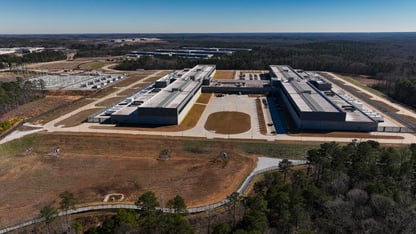
According to the investigation notes, on June 27, the City’s Department of Watershed Management had a leak in a reuse water line containing ferric chloride, a chemical used in the wastewater treatment process at its South River Water Reclamation Center. DWM shut off the water and pumped out the spilled water.
But two days later, the city found that the solution had migrated into other parts of the building, including the basement. The report states it may have exited the building through cracks and flowed along pavement to a storm drain that discharges to the South River.
The City of Atlanta couldn’t confirm that the chemical directly entered the river. However, the DNR’s report states the city reported that approximately “two feet” of ferric chloride was unaccounted for. The city later estimated that about 300 gallons of ferric chloride diluted with reuse water entered the drainage ditch.
Staff from state environment agencies and the city inspected five outfalls — places where stormwater enters the river from the city’s facility.
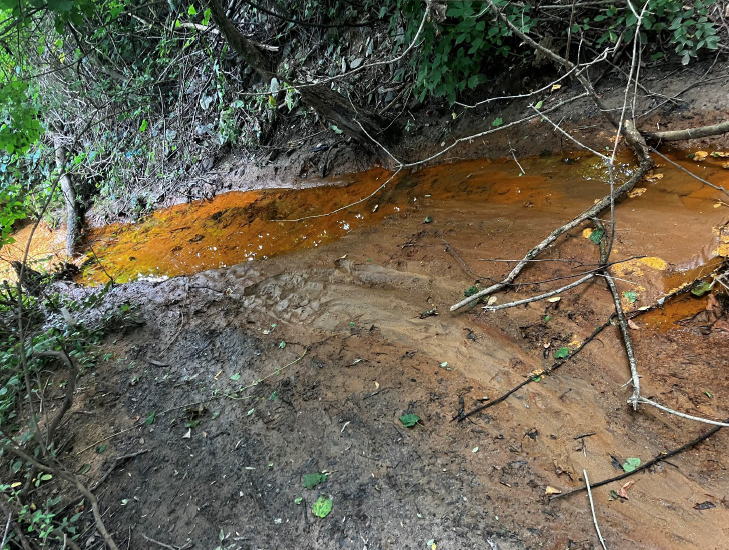
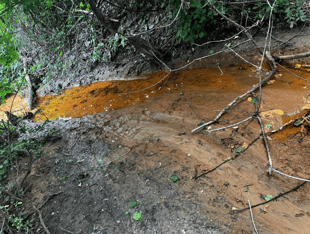
According to the DNR’s report, four of these outfalls were dry and hadn’t discharged anything recently, but at Outfall #2 the investigators observed “heavy orange foam and orange discoloration.”
Upon reviewing maps, the investigators saw the drainage from the area near the building the chemical was housed in flows directly to the outfall where the heavy orange foam was observed.
The investigators collected water samples at all the outfalls, and all came back with normal levels of iron. However, investigators collected the sample for Outfall #2 five days after the discovery of the spill, and the coordinates of the collection site couldn’t be verified, leaving investigators with less information on water quality.
But, the DNR’s report says that monitoring from U.S. Geological Survey gages in the area suggest a chemical came out of this facility’s outfall due to changes in acidity and conductivity in the water downstream, but not upstream.
City of Atlanta responds to state’s conclusions on fish kill
The City of Atlanta is pushing back against the state’s conclusions.
After the incident in late June, the City published a press release and social media video stating that it had investigated the incident and found no connection between the ferric chloride spill and the fish kill.
In a July 2 press release, the City’s Department of Watershed Management stated preliminary findings indicated a limited amount of material may have entered the facility’s storm drains, and DWM crews immediately worked to contain and neutralize the spill.
The City says its DWM collected water quality sampling at multiple upstream and downstream locations from the facility and determined the fish kill was not related to the ferric chloride spill.
Even after the release of the Georgia DNR’s report, the city said it is maintaining its position.
“The report does not identify direct analytical evidence demonstrating that ferric chloride from South River Water Reclamation Center entered the South River,” a Department of Watershed Management spokesperson wrote in a statement to WABE. “Instead, the conclusion is based on circumstantial evidence, including proximity, stormwater drainage mapping, and observed water quality changes.”
In a July 27 press release, the City of Atlanta stated it cooperated fully with the Georgia Environmental Protection Division and other regulatory agencies, and that it takes environmental incidents seriously and have “continued to evaluate and strengthen operational practices while supporting the ongoing review process.”
What comes next?
Jackie Echols, director of the South River Watershed Alliance, said she’s surprised the City of Atlanta is rejecting the state’s findings.
“It’s a very detailed report. Obviously, a lot more fish were killed than I even imagined, you know, 1,200 fish in the South River in the headwaters is a lot,” Echols said.
She said the City hasn’t provided an alternative explanation for what caused the fish kill, while the Georgia DNR provided a thorough document of its investigation.
“They did their due diligence. It’s evident in the report, and they did it right,” Echols said.
She said this incident highlights the importance of getting folks out to the South River.
“This issue really speaks to the importance of getting the community out on the river and near the river, you know, because I’m always pushing paths and recreation because if it hadn’t been for a resident walking his dog, we never would have known about this,” Echols said.
But she said there’s always more work to be done to protect the South River, and this fish kill is only a small part of the larger enforcement battles happening in the river basin.
The Georgia Environmental Protection Division did not specify what comes next, however, in many cases like this, the state proposes a fine and comes to a settlement with the City including payments or necessary changes to avoid repeat incidents.