Those who work directly with the unhoused say the issue is complex and has to be rooted in trust and compassion.
According to the National Alliance to End Homelessness, an estimated 771,480 people in the United States experience homelessness on any given night.
Contributing factors include shortages of affordable housing, chronic poverty, and limited shelter options. Together, these conditions have led to an increase in homeless encampments. These are concentrated areas where tents, tarp shelters, cots, and old mattresses form makeshift communities. In some encampments, additional activity may occur, including drug sales and sex work.
Many cities have established protocols for dismantling encampments located on public property. Atlanta recently reviewed and revised its process following the tragic death of a man struck and killed by a city vehicle during an encampment demolition. Last year, 46‑year‑old Cornelius Taylor died after a public works bulldozer crushed the tent he was sleeping in.
Encampments on private property involve a more complicated process that requires court intervention, according to Atlanta City Councilmember Jason Dozier.
“We need an order from a judge through the municipal court… to come onto the property to clean the property, to secure the property, and we rely heavily on our code enforcement team to ensure that these properties come under compliance,” said Dozier.
If a property owner is cited and fails to respond, a judge must determine the next steps. “When there’s been non-response from the property owner, when it’s been constant over time for six months to a year, that’s when we will determine that we need to take action,” Dozier said.
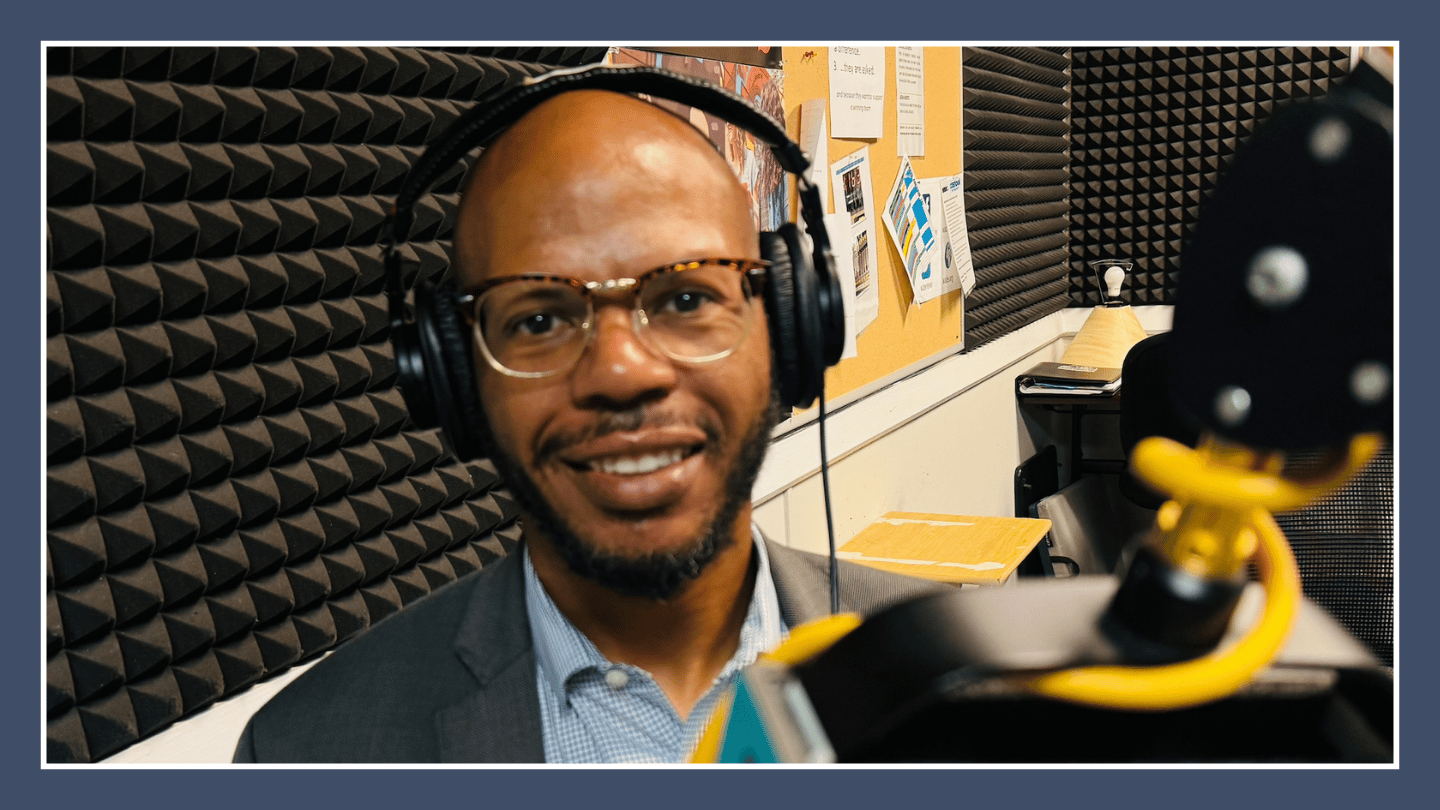
Dozier told “Closer Look“ host Rose Scott that his district represents the “heart of the city,” including neighborhoods in central Atlanta such as Downtown, parts of Midtown, Castleberry Hill, Mechanicsville, the West End, and the Atlanta University Center.
He added that the ultimate goal is to help people living in encampments access appropriate assistance as part of a pathway to long‑term housing. That work requires collaboration with partners who engage directly with individuals experiencing homelessness.
“We’re also working with Intown Cares, the Policing Alternatives & Diversion Initiative Atlanta, and other entities across the city to ensure that the people who live on these properties are still receiving assistance and getting connected to the resources that they need,” said Dozier.