In cities around the country, if you want to understand the history of a neighborhood, you might want to do the same thing you’d do to measure human health: Check its temperature.
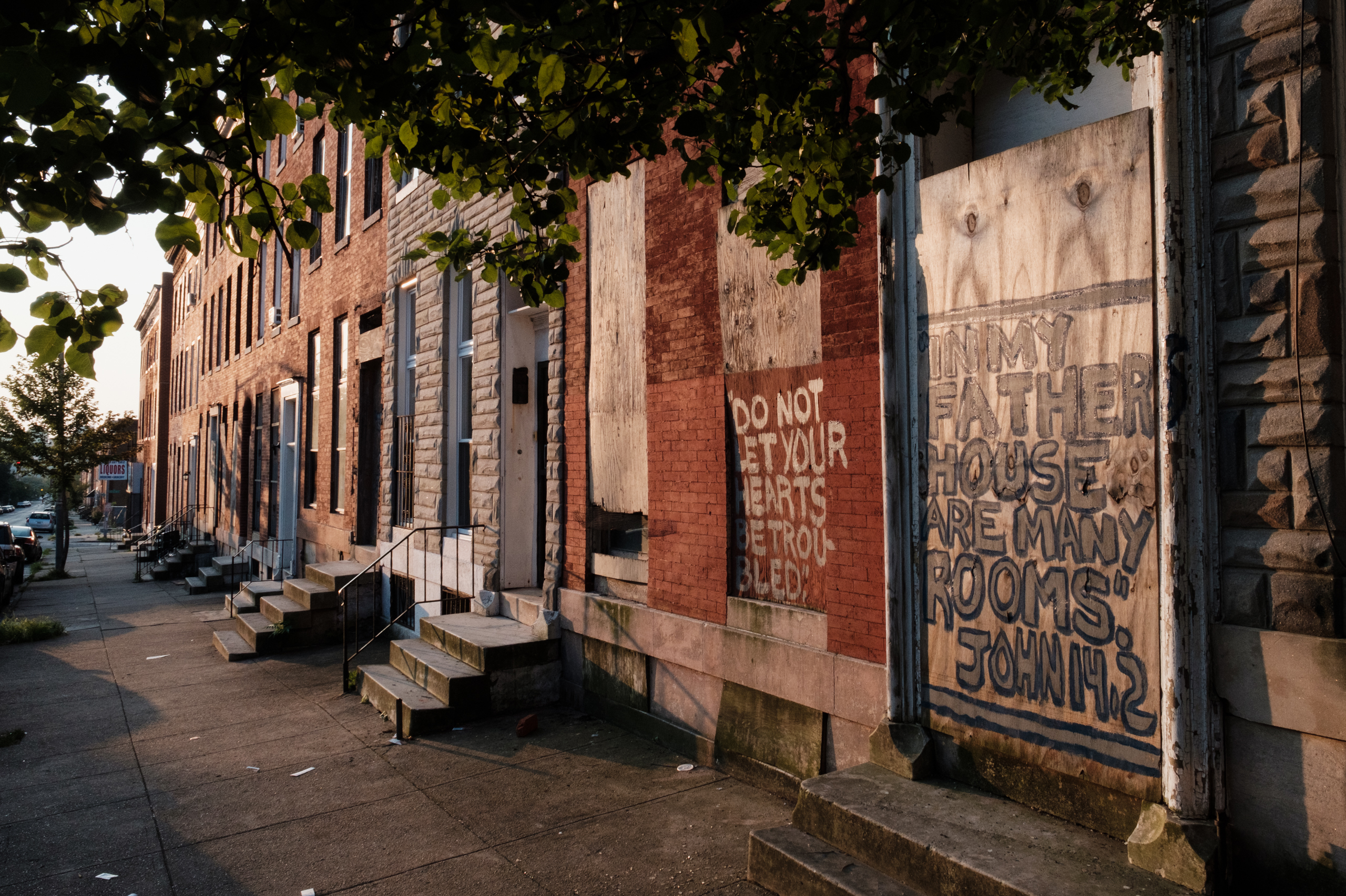
That’s what a group of researchers did, and they found that neighborhoods with higher temperatures were often the same ones subjected to discriminatory, race-based housing practices nearly a century ago.
In a study of 108 urban areas nationwide, the formerly redlined neighborhoods of nearly every city studied were hotter than the non-redlined neighborhoods, some by nearly 13 degrees.
Read this story now for free
To continue reading, sign up for our newsletter and get unlimited access to WABE.org
You can select your preferences for news and local content. We will never share your email address. Learn how your newsletter sign-up will support WABE and Public Media