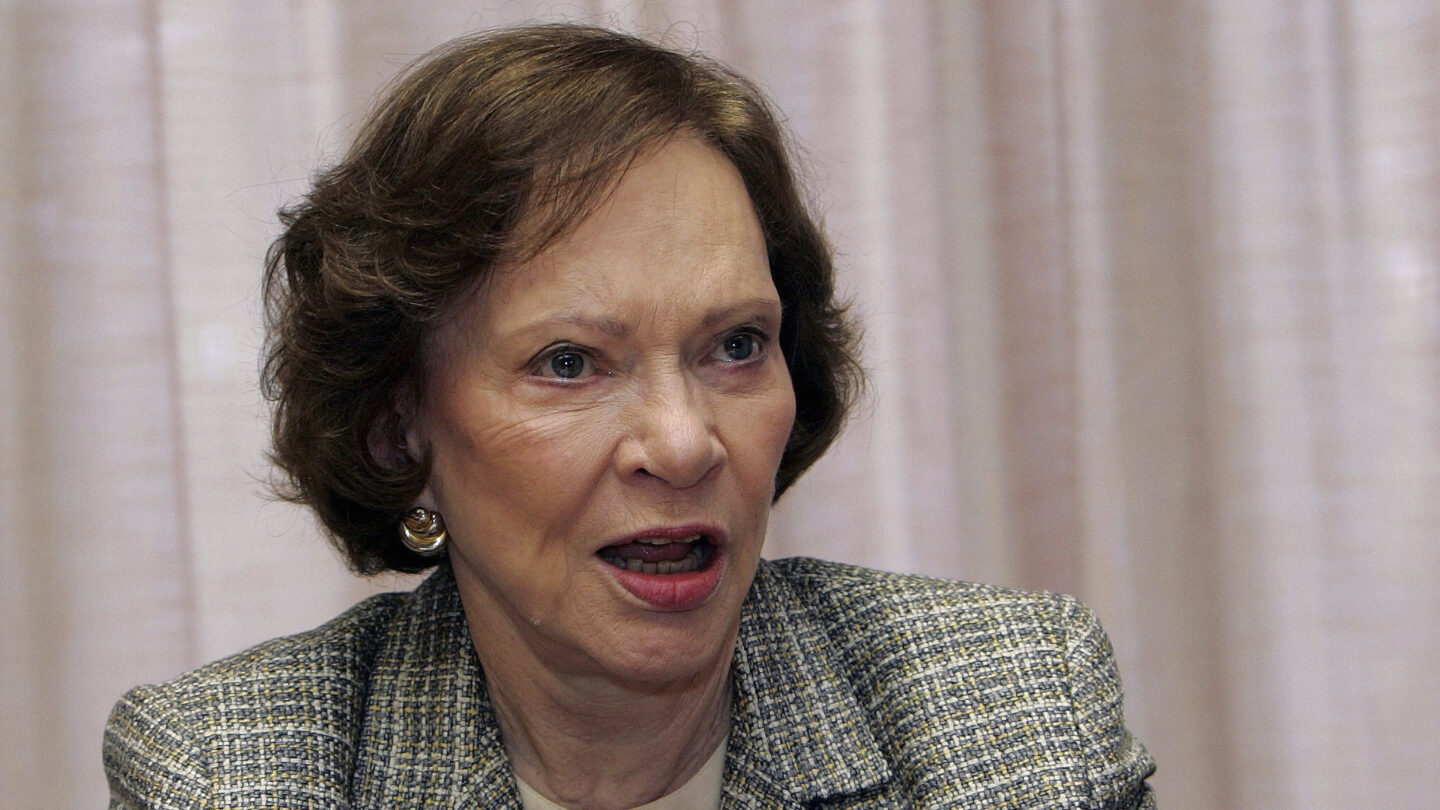
So much of who I am today is the result of receiving a Rosalynn Carter Mental Health Journalism Fellowship from The Carter Center 15 years ago.
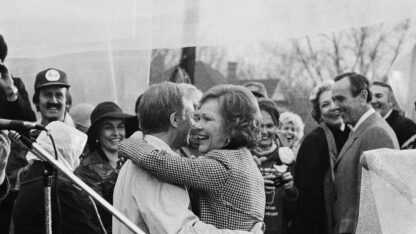
When I met former first lady Rosalynn Carter in Atlanta in 2008, I was accomplished — having written one book and under contract for a second — but I was also broken after three years reporting in Iraq and an equal amount of time chronicling challenges veterans faced back home. I wrote without purpose, drifting from story to story and full of rage at what I saw as the U.S. government’s failure to take seriously the human consequences of the war it began.
Mrs. Carter was the first person to ever ask me how my journalism would make an impact. It was such an obvious question that it changed my life.
Read this story now for free
To continue reading, sign up for our newsletter and get unlimited access to WABE.org
You can select your preferences for news and local content. We will never share your email address. Learn how your newsletter sign-up will support WABE and Public Media