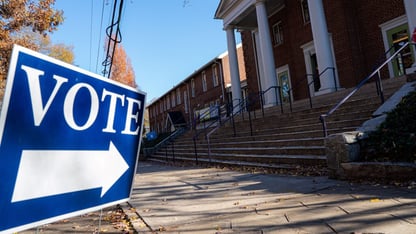
At a church across Northside Drive from Mercedes-Benz Stadium in Atlanta, people working this summer’s World Cup games can find shade to cool off in, along with water, electrolytes, cooling towels and other supplies and resources.
It’s much-needed relief, according to Lucia Gambino of the workers’ rights group Sur Legal Collaborative.
“Workers reported heat exposure, lack of drinking water, lack of shade or cooling areas, and lack of breaks,” she said.
Sur Legal Collaborative is part of Play Fair ATL, the coalition of human rights and advocacy organizations providing this resource center. They’re conducting a survey of the workers who visit them about the working conditions and how they’re handling the heat. But beyond the survey responses, Gambino said she’s also seen people “visibly affected by the heat,” red in the face and reporting a lack of access to water or shade.
This kind of heat isn’t just uncomfortable; it’s dangerous, putting workers at risk of heat exhaustion or heat stroke.
Several World Cup host cities fell under the heat dome that settled over eastern North America last week, with brutally hot temperatures and heat index values in Atlanta, Miami, Dallas, Houston, Kansas City, Philadelphia, New York and Toronto.
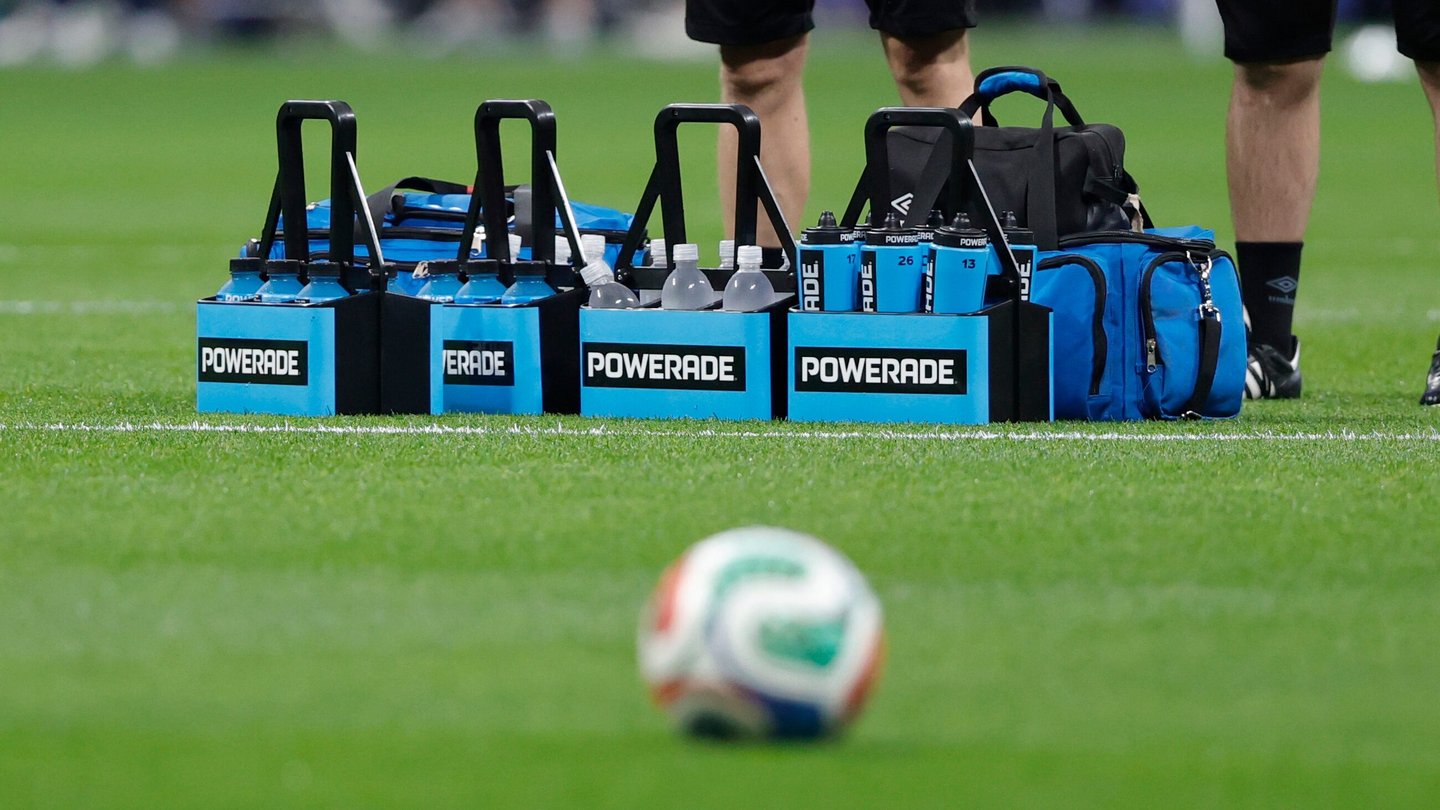
Heat has been a major concern throughout this year’s World Cup, and organizers have built hydration breaks into games designed to help players stay safe. And some stadiums — including Atlanta — have air conditioning. But that doesn’t necessarily help all the people selling concessions, cleaning the stadium, working security or parking lots outside, and a host of other critical event jobs.
“It’s just a little bit ironic that FIFA is recognizing that the athletes need water, shade, and breaks to stay safe and to be able to play, but we don’t see that recognized for the workers as well,” Gambino said.
Scientists warned this risk was coming in a paper published ahead of the tournament, with climate change worsening heat and workers particularly vulnerable to the risks.
Those who travel to work the tournament or who are doing different work than usual may not be acclimatized to the heat, the paper warned, increasing their risk. And unlike athletes in peak physical shape, workers are more likely to have underlying health issues, said study co-author Andrew Grundstein, a geography and atmospheric sciences professor at the University of Georgia.
The workers also aren’t all employed by one organization, he said, adding to the complexity. Some may be employed directly by the stadiums, while others work for contractors or subcontractors.
“So I think it’s a really challenging thing to come up with this uniform heat policy for all the different workers,” Grundstein said.
This year’s far-flung tournament further complicates things, according to study co-author Maggie Morrissey of Providence College and the heat safety-focused Korey Stringer Institute. The games are taking place in three different countries, each with different laws on heat and worker protection. Those protections — or lack thereof — also vary by state within the United States.
“It’s very much reliant on the organization or company themselves or the state regulation,” said Morrissey on the information and protections available to workers. “But I do think FIFA has a really important job to do to have people recognize that workers are at risk of heat injuries as well.”
In a statement, FIFA laid out its “tiered heat mitigation model” for the tournament. When the forecast predicts elevated temperatures, venues add more cooling capacity, including shaded areas and water distribution, the organization said.
“Work-rest cycles for staff and volunteers are adapted accordingly, and first-aid readiness is reinforced with clear triage and escalation pathways for suspected heat illness,” the statement read. “These measures scale dynamically based on real-time conditions before and during each event.”
FIFA also said it has a heat illness mitigation task force. Most host cities and stadiums referred questions to FIFA.
The city of Toronto has a heat stress policy, and “additional, job-specific safe work procedures have been developed for roles that have an increased heat risk,” according to a statement from chief people officer Tobie Mathew. Protection measures include hydration, limiting sun exposure, and cooling measures like fans and air conditioning.
A spokesperson for Atlanta’s stadium ownership group said in an email that heat wasn’t affecting events there as much as other host cities because the stadium is indoors.
But the air conditioning inside Mercedes-Benz Stadium doesn’t protect all the event workers, Gambino said. Some jobs, like parking lot attendants, are outdoors. Others aren’t directly associated with the events at all, like the vendors in nearby parks selling merchandise or painting fans’ faces.
Stronger regulations to protect workers from the heat could help keep people safe, Gambino said. She also said formal collaborations with the stadium or the city could help boost worker assistance efforts, like Play Fair ATL’s resource center — which she hopes can happen for future big events.
FIFA could also require worker protections in the agreements it signs with host cities, Morrissey said.
“We wouldn’t have the World Cup happening if we didn’t have workers,” she said. “It’s sort of like a call to action for FIFA to say they need to elevate the protection for workers.”
Frida Garza of Grist contributed to this story. This story has been updated to include a statement from FIFA.