Shooter attacked CDC headquarters to protest COVID-19 vaccines

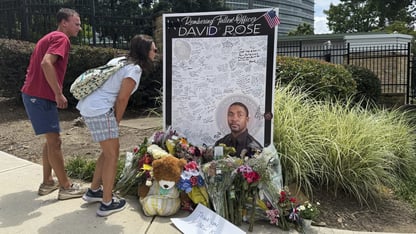
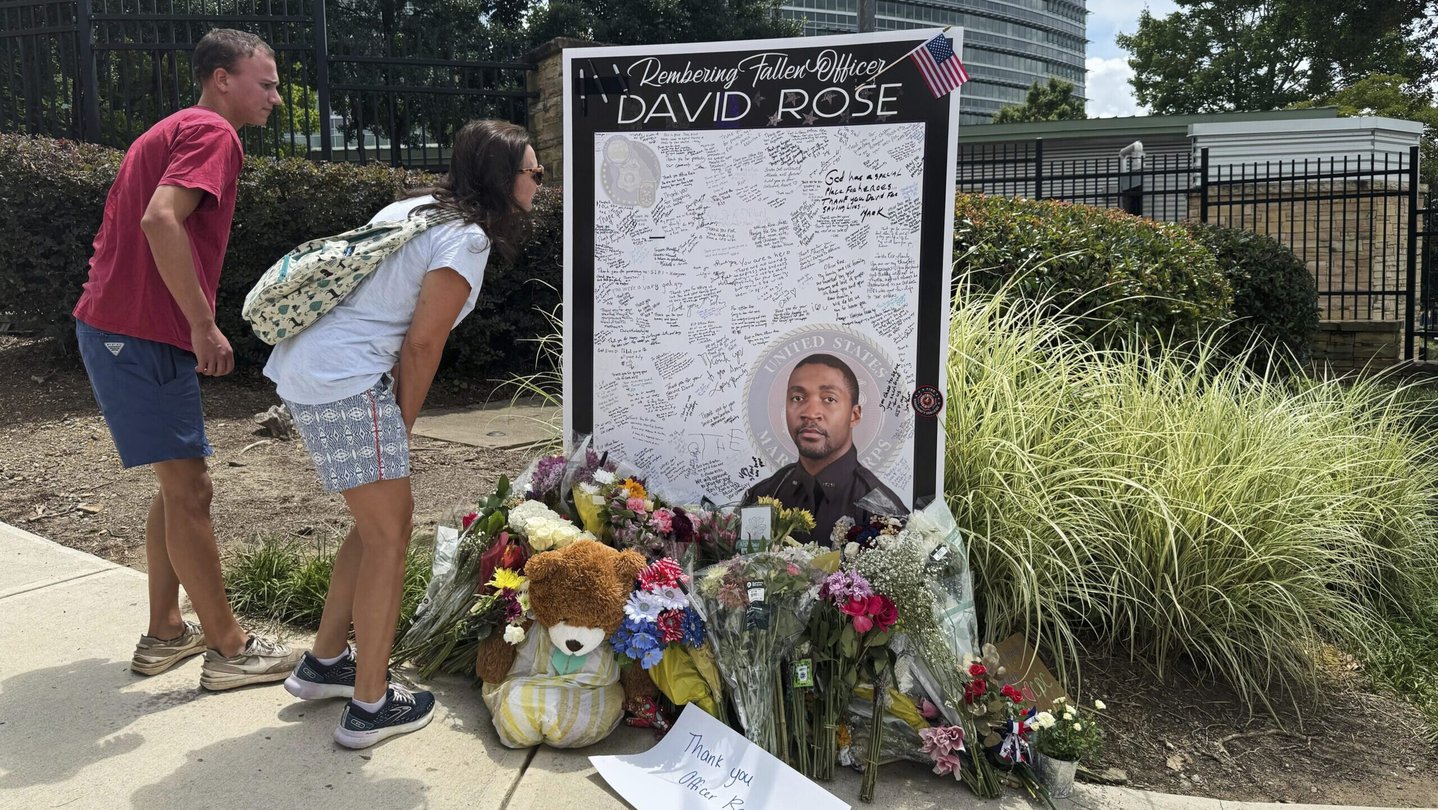
People leave flowers Monday, Aug. 11, 2025, at a makeshift memorial in honor of David Rose, the officer who was killed in the shooting at the U.S. Centers for Disease Control and Prevention headquarters in Atlanta. (AP Photo/Charlotte Kramon)

Updated on August 12, 2025, at 3:18 p.m.

The man who fired hundreds of shots with a long gun at the headquarters of the U.S. Centers for Disease Control and Prevention broke into a locked safe to get his father’s weapons and wanted to send a message against COVID-19 vaccines, authorities said Tuesday.

Documents found in a search of the home where Patrick Joseph White lived with his parents “expressed the shooter’s discontent with the COVID-19 vaccinations,” Georgia Bureau of Investigation Director Chris Hosey said.
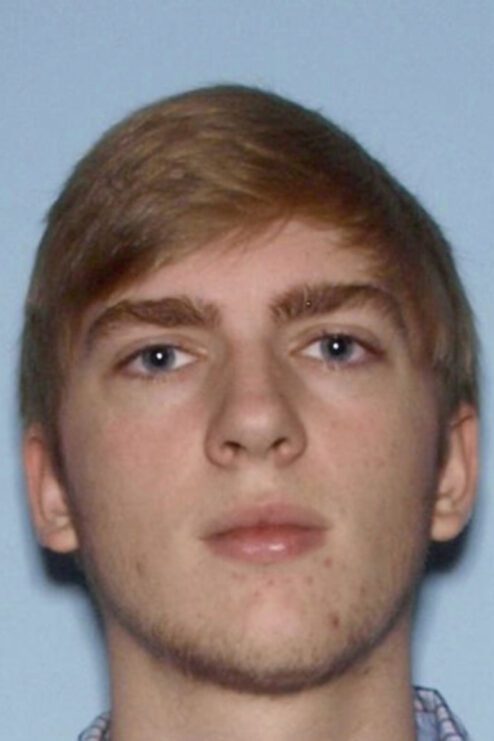
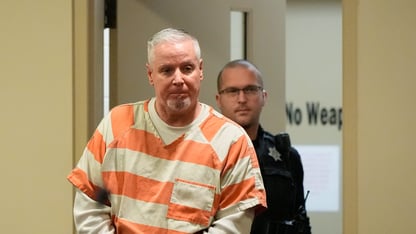
This photo provided by Georgia Bureau of Investigations Patrick Joseph White. (Georgia Bureau of Investigations via AP)

White, 30, had written about wanting to make “the public aware of his discontent with the vaccine,” Hosey said.


White also had recently verbalized thoughts of suicide, which led to law enforcement being contacted several weeks before the shooting, Hosey said. He died at the scene Friday of a self-inflicted gunshot wound after killing a police officer.

Asked about threats based on misinformation regarding the CDC and its vaccine work, FBI Special Agent Paul Brown said Tuesday: “We’ve not seen an uptick, although any rhetoric that suggests or leads to violence is something we take very seriously.”

“Although we are tracking it, we are sensitive to it, we have not seen that uptick,” said Brown, who leads the FBI’s Atlanta division.

The suspect’s family was fully cooperating with the investigation, authorities said at the Tuesday news briefing. White had no known criminal history, Hosey said.

Executing a search warrant at the family’s home in the Atlanta suburb of Kennesaw, authorities recovered written documents that are being analyzed, and seized electronic devices that are undergoing a forensic examination, the agency said.

Investigators also recovered a total of five firearms, including a gun that belonged to his father that he used in the attack, Hosey said.

Hosey said the suspect did not have a key to the gun safe: “He broke into it,” he said.

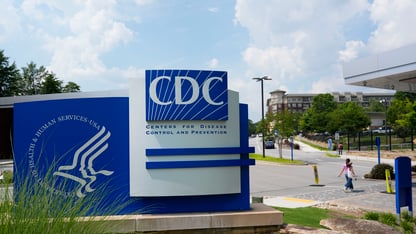
White had been stopped by CDC security guards before driving to a pharmacy across the street, where he opened fire from a sidewalk, authorities said. The bullets pierced “blast-resistant” windows across the campus, pinning employees down during the barrage. More than 500 shell casings have been recovered from the crime scene, the GBI said.

In the aftermath, officials at the CDC are assessing the security of the campus and making sure they notify officials of any new threats.

U.S. Health Secretary Robert F. Kennedy Jr. toured the CDC campus on Monday, accompanied by Deputy Secretary Jim O’Neill and CDC Director Susan Monarez, according to a health agency statement.

“No one should face violence while working to protect the health of others,” Kennedy said in a statement Saturday. It said top federal health officials are “actively supporting CDC staff.”

Kennedy also visited the DeKalb County Police Department, and later met privately with the slain officer’s wife.

Kennedy was a leader in a national anti-vaccine movement before President Donald Trump selected him to oversee federal health agencies, and has made false and misleading statements about the safety and effectiveness of COVID-19 shots and other vaccines.

Some unionized CDC employees called for more protections. Some employees who recently left the agency as the Trump administration pursues widespread layoffs, meanwhile, squarely blamed Kennedy.

Years of false rhetoric about vaccines and public health was bound to “take a toll on people’s mental health,” and “leads to violence,” said Tim Young, a CDC employee who retired in April.

Damages to CDC headquarters

White fired more than 180 shots into the campus and broke about 150 windows, with bullets piercing “blast-resistant” windows and spattering glass shards into numerous rooms, according to information circulated internally at the agency.

It may take weeks or even months to replace windows and clean up the damage, Centers for Disease Control and Prevention personnel said.

Monarez posted a statement on social media Friday night that said at least four CDC buildings were hit in the attack.

The extent of the damage became more clear during a weekend CDC leadership meeting. Two CDC employees who were told about what was discussed at the meeting described details to The Associated Press on condition of anonymity because they weren’t authorized to reveal the information. Details also were also in an agency memo seen by an AP reporter.

Building 21, which houses Monarez’s office, was hit by the largest number of bullets. CDC officials did not say if her office was hit.

CDC employees were advised to work from home this week.

Kennedy issued a statement Saturday that said “no one should face violence while working to protect the health of others,” and that top federal health officials were ”actively supporting CDC staff.”

He did not speak to the media during his visit Monday.

In a call with the media on Monday night, some unionized CDC employees said they are calling for more heavily armed guards, bulletproof glass, a better alert system, and more extensive evacuation planning for disabled employees and other vulnerable staff.

A retired CDC official, Stephan Monroe, said he worried about the long-term impact the attack would have on young scientists’ willingness to go to work for the government.

“I’m concerned that this is this is going to be a generational hit,” said Monroe, speaking to a reporter near the corner where a poster had been set up in honor of Rose.

CDC employees are now taking steps to become less visible, including not wearing their public health service uniform to work, said Yolanda Jacobs, president of Local 2883 of the American Federation of Government Employees.

She recalled when CDC employees were happy to be approached by neighbors or others with public health questions. “Now it’s at the point we’re afraid to have those types of conversations with anybody, because we don’t know who they are and we don’t know what rhetoric they’ve ingested,” she said.

Editor’s Note: This article was updated to include additional information regarding damages caused to the CDC Headquarters and responses from employees.