CDC shooting highlights risks of public health misinformation

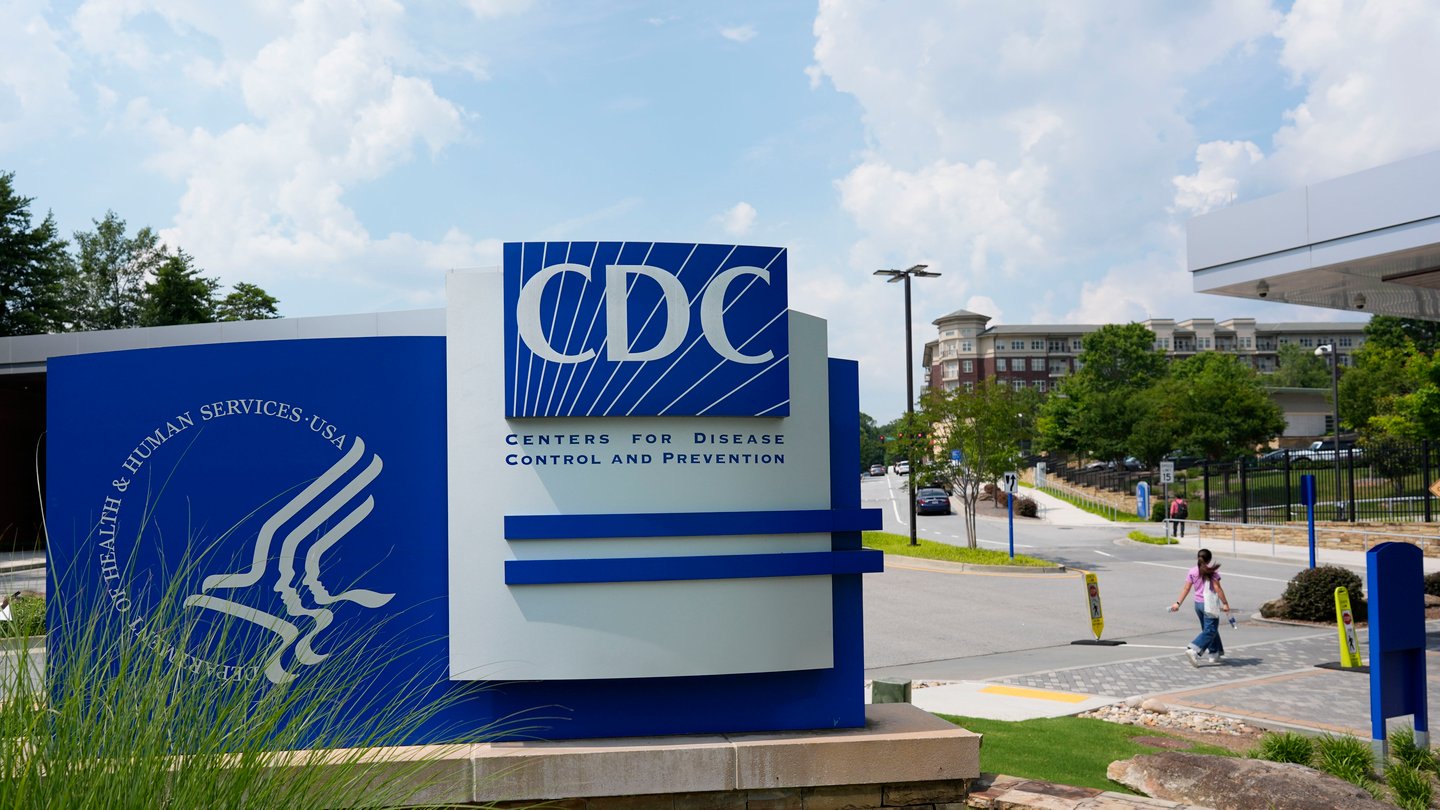
The campus of Centers for Disease Control and Prevention is seen as a meeting of the Advisory Committee in Immunization Practices takes place, Wednesday, June 25, 2025, in Atlanta. (AP Photo/Mike Stewart)

When a man opened fire on the Centers for Disease Control and Prevention campus in Atlanta, it was the latest example of increasing threats and sometimes violence directed at public officials and institutions.

Public health professionals and health workers, especially since the pandemic, have been among the top targets. And they have been tested repeatedly in other ways. This year, the Trump Administration slashed CDC funding, programs and staff. 

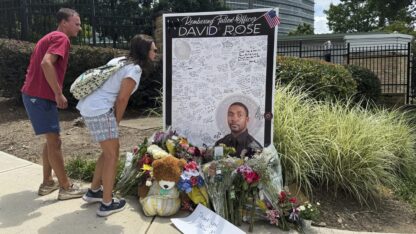
When a shooter targeted the nearly 80-year-old institution’s headquarters last Friday, it was the latest blow. Law enforcement told reporters at a Tuesday press conference that nearly 200 rounds hit six CDC buildings. DeKalb County Police Officer David Rose was killed.


Georgia Bureau of Investigation Director Chris Hosey said law enforcement has not seen an increase in threats targeting the CDC since Friday.

“Threats of that nature are always something we take seriously,” Hosey said. “We have not seen an uptick. Although any rhetoric that suggests or leads to violence is something we take very seriously.”

Dani Fallin, dean of Emory University’s Rollins School of Public Health, down the street from the CDC, says many of the faculty, staff and students she has spoken with are feeling resolve to press forward. 

“There’s a deep sense of compassion and empathy for our fellow public health workers at the CDC,” says Fallin. “And then there’s a deep sense of, ‘What do we need to do even better to really put public health at the forefront it needs to be?’”

Fallin says finding ways to break down information and ideological silos and communicate across divides has become increasingly core to training the next generation of public health leaders.

“One of the fundamental things we all want is to be ourselves healthy, to have our families healthy, to have our communities healthy,” Fallin says. “Because that’s so personal, this is a place where misinformation can really take hold.”

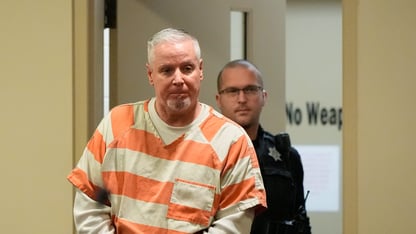
The Associated Press reports the suspect may have targeted the CDC because he blamed the COVID-19 vaccine for his mental health issues. The GBI said Tuesday that while searching the suspect’s home, investigators found “written documentation that expressed the shooter’s discontent with the COVID-19 vaccinations.”

“It was making the public aware,” Hosey said.

Public health experts say combatting misinformation gets even more challenging when amplified by elected officials. Some former and current CDC employees are calling for the resignation of Health and Human Services Secretary Robert F. Kennedy Jr., who has made baseless claims about vaccine safety. 

Kennedy visited the CDC campus on Monday.

“We know how shaken our public health colleagues feel today,” Kennedy wrote on X. “No one should face violence while working to protect the health of others.”

“Political leadership in a democracy matters,” says William Braniff, who directs the Polarization and Extremism Research and Innovation Lab at American University. “It gives people their value structures and their permission structures. And if that political rhetoric dehumanizes or vilifies other people, it can open the door for individuals who might be gravitating toward violence.”

Braniff notes that election officials, state lawmakers, judges and jurors have experienced upticks in threats and says misinformation and inflammatory rhetoric online is one force driving people to violence in the real world.

“I think it’s really important that researchers are not just studying the threat,” he says, “but spending equal time and energy thinking about how to apply public health interventions to this violence prevention space.”