On March 15, 2011, protesters inspired by successful “Arab Spring” uprisings in Tunisia, Egypt and Libya, rallied in Syria to call for an end to their own repressive regime.
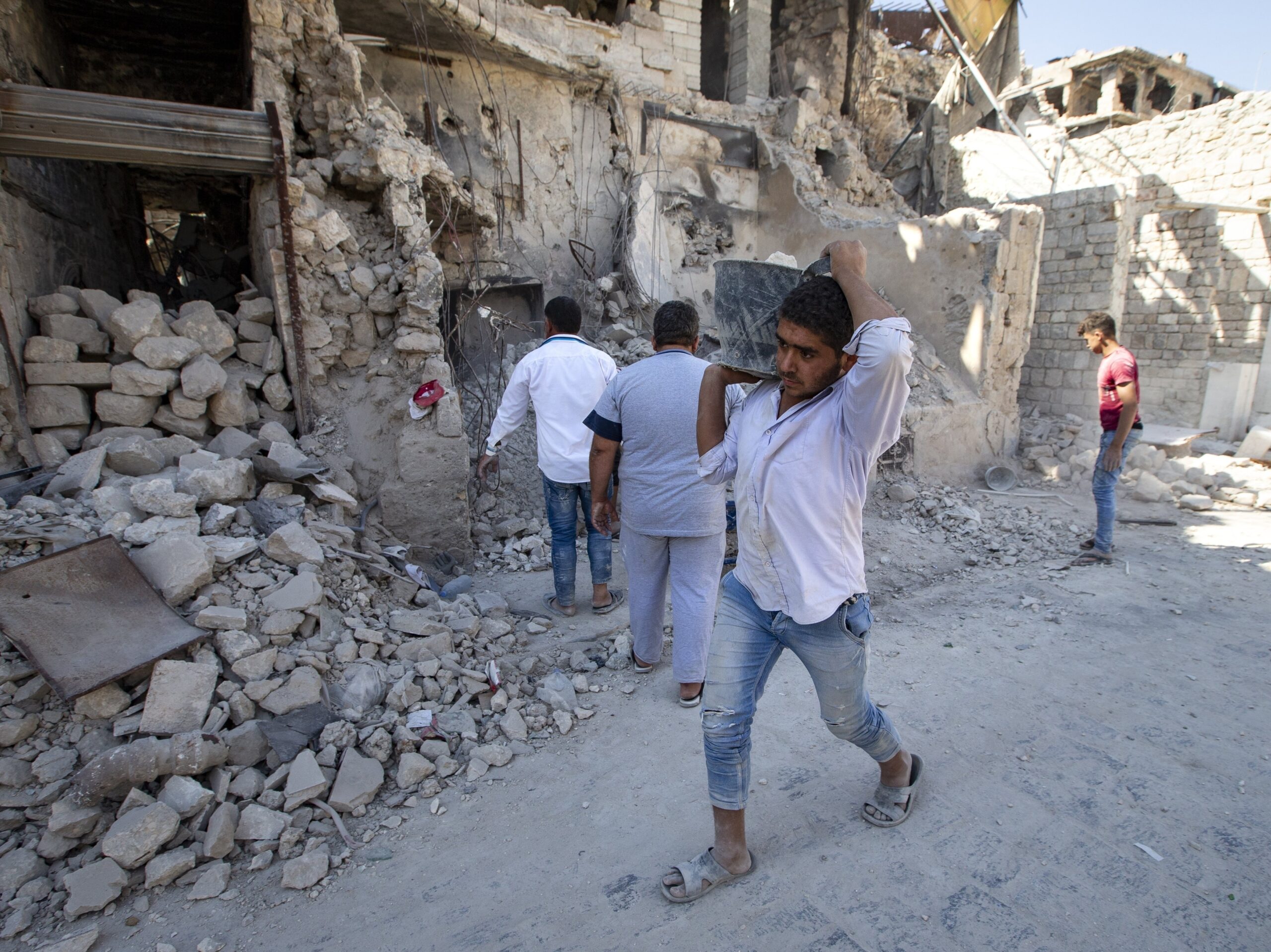
But unlike the governments that had earlier more or less collapsed in the face of popular uprisings and armed insurrections, Syria’s President Bashar Assad was not about to go quietly. Days after the initial protests, Syrian soldiers fired on demonstrators, killing dozens in what would become the opening shots in a seemingly endless civil war that has reverberated far beyond the Middle Eastern country’s borders.
The conflict has not only pitted Assad against a band of rebels, but drawn the U.S., Iran, Russia and Turkey, among others, into a complex proxy war. Along the way, it has brought out ethnic and sectarian divides, helped foster a revival of the extremist Islamic State militia, displaced millions of people and left hundreds of thousands — mostly civilians — dead.
Read this story now for free
To continue reading, sign up for our newsletter and get unlimited access to WABE.org
You can select your preferences for news and local content. We will never share your email address. Learn how your newsletter sign-up will support WABE and Public Media