For decades, the United States has generally kept tariffs low and promoted free trade, but a few domestic industries have long been protected by import taxes and other trade barriers.
Now, as President Trump prepares to announce another big round of tariffs, these sheltered American industries offer clues about how those import taxes could work out for the rest of the country.
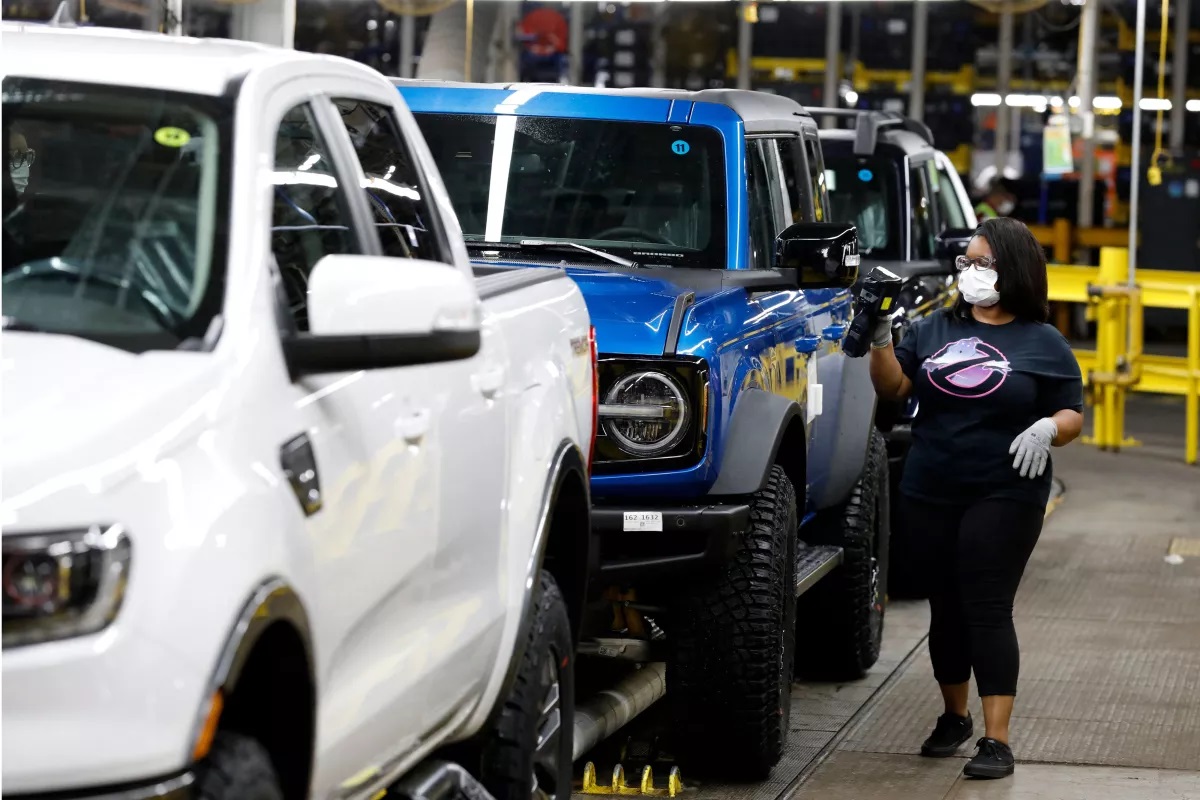
Trade barriers can prop up domestic industries. But they also raise prices, distort markets and leave the U.S. vulnerable when home-grown supplies run short. Here are three examples of how protectionist policies can lead to unintended consequences.
The not so sweet tax on sugar
Read this story now for free
To continue reading, sign up for our newsletter and get unlimited access to WABE.org
You can select your preferences for news and local content. We will never share your email address. Learn how your newsletter sign-up will support WABE and Public Media