US 250: An Atlanta Lens

How objects in local history collections tell the country’s story

WABE asked historical institutions around Atlanta to pick one object that signifies our city’s stamp on the fabric of America’s 250-year-old story. Here are the items they chose and why.
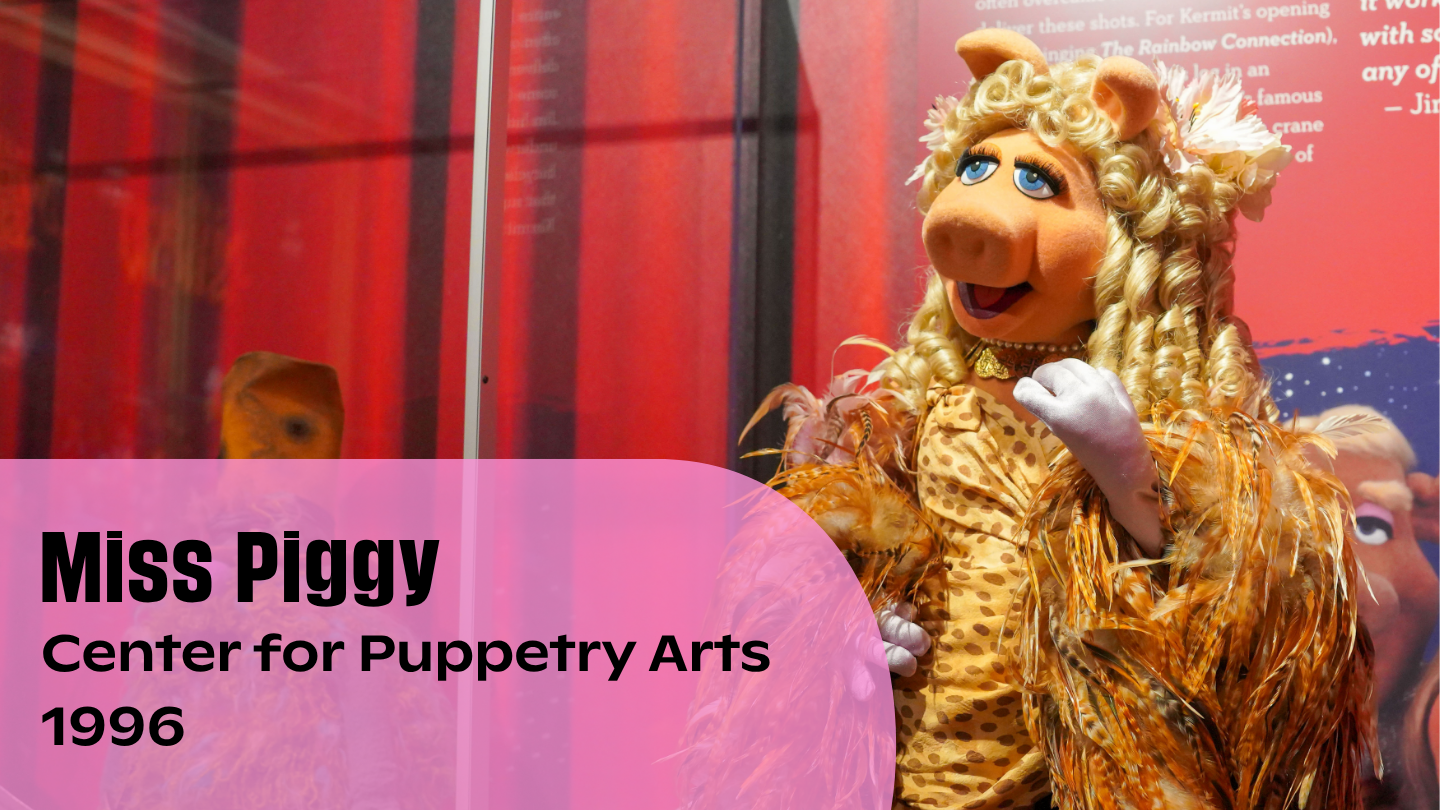
Miss Piggy

Center for Puppetry Arts

Miss Piggy is an icon, a star in her own right. And that’s exactly why Jill Nash Malool, the museum director at the Center for Puppetry Arts, chose her to represent America’s 250th Anniversary. This particular Miss Piggy, from the movie “Muppet Treasure Island,” is especially fabulous and is wearing a feather boa. 

“As a puppet, she was able to maybe do things that a human woman couldn’t say and do at a certain time, I think that’s why people really see Piggy, and they’re drawn to her and want to be part of her world.”

Jill Nash Malool, museum director at the Center for Puppetry Arts

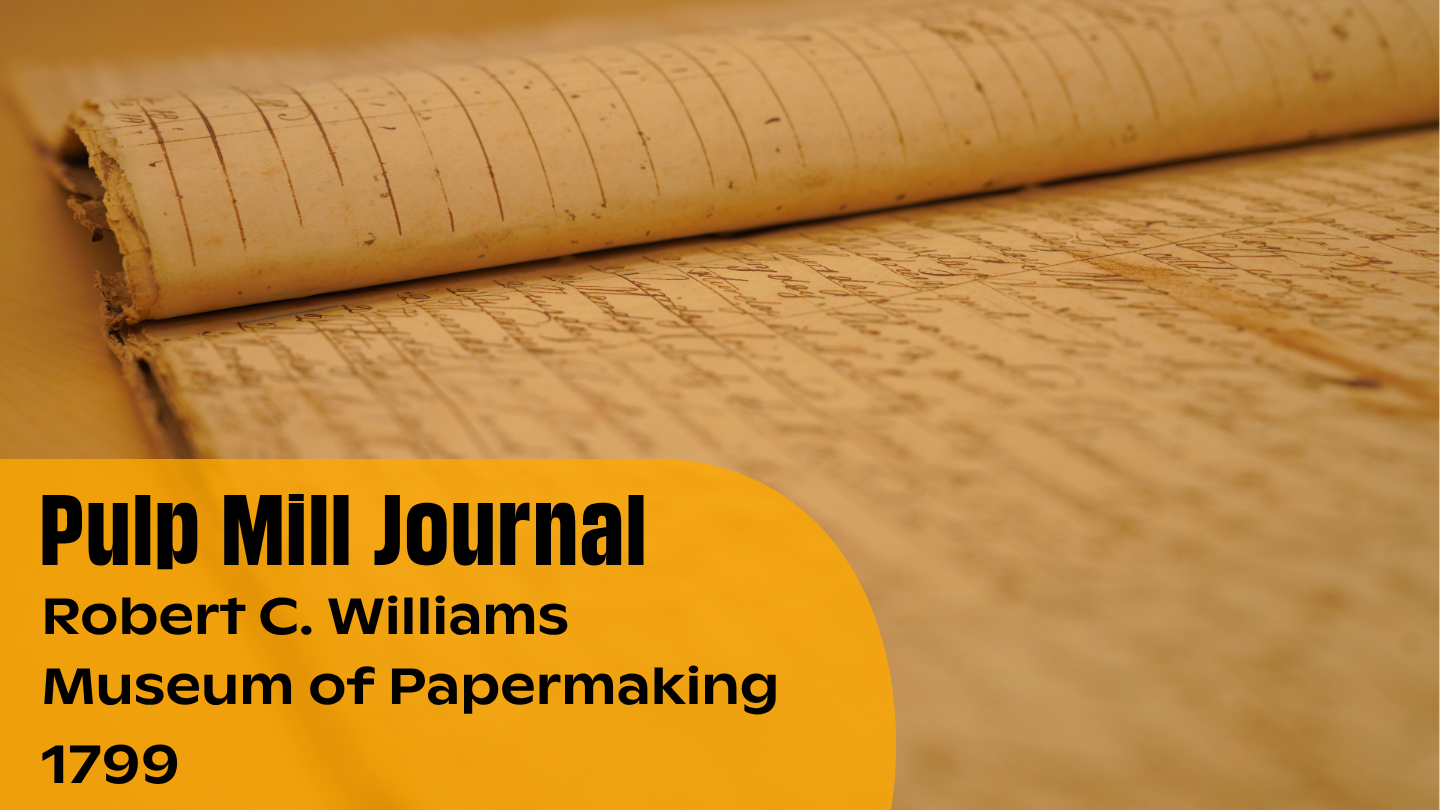
Pulp Mill Journal

Robert C. Williams Museum of Papermaking

Paper is sort of everywhere and has been across cultures for so long. That’s why Virginia Howell, director of the Robert C. Williams Museum of Papermaking at Georgia Tech chose a daily journal from a pulp mill in Dorchester, Massachusetts, in the late 1700s. Inside is an entry from December 1799 on the day the mill owner found out George Washington had died: â€śThe great, the good, the immortal patriot is gone. Washington is no more.”

“And to me, that’s one of those things that just really speaks about the individuality and the humanness of history.”

Virginia Howell, director of the Robert C. Williams Museum of Papermaking at Georgia Tech

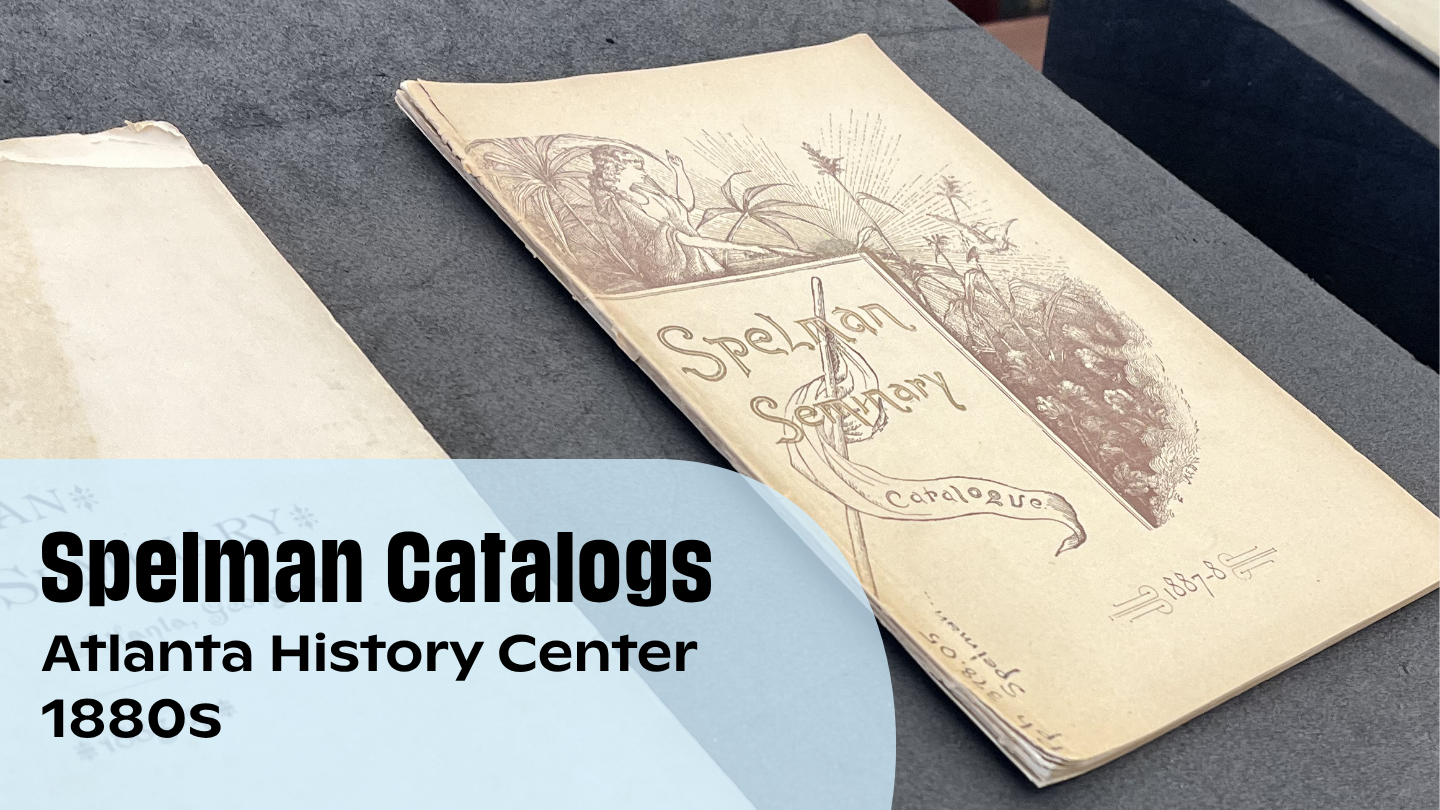
Spelman Course Catalogs

Atlanta History Center

Spelman’s course catalogs from the 1880s were the very first items the Atlanta History Center collected back when it opened in 1926. The center is celebrating its own big anniversary this year — it’s now a hundred years old. Historian La’Neice Littleton says the course catalogs show Spelman’s growth. But zoom out, and it’s a story about Black womens’ education and their impact on the world.

“I think that they fit into a broader conversation about American history, particularly the history of African-American education, right? And so we know the enslaved population in America — denied the right to read and write legally for so many generations — that the story of Spelman is extraordinary.”

La’Neice Littleton, historian at the Atlanta History Center

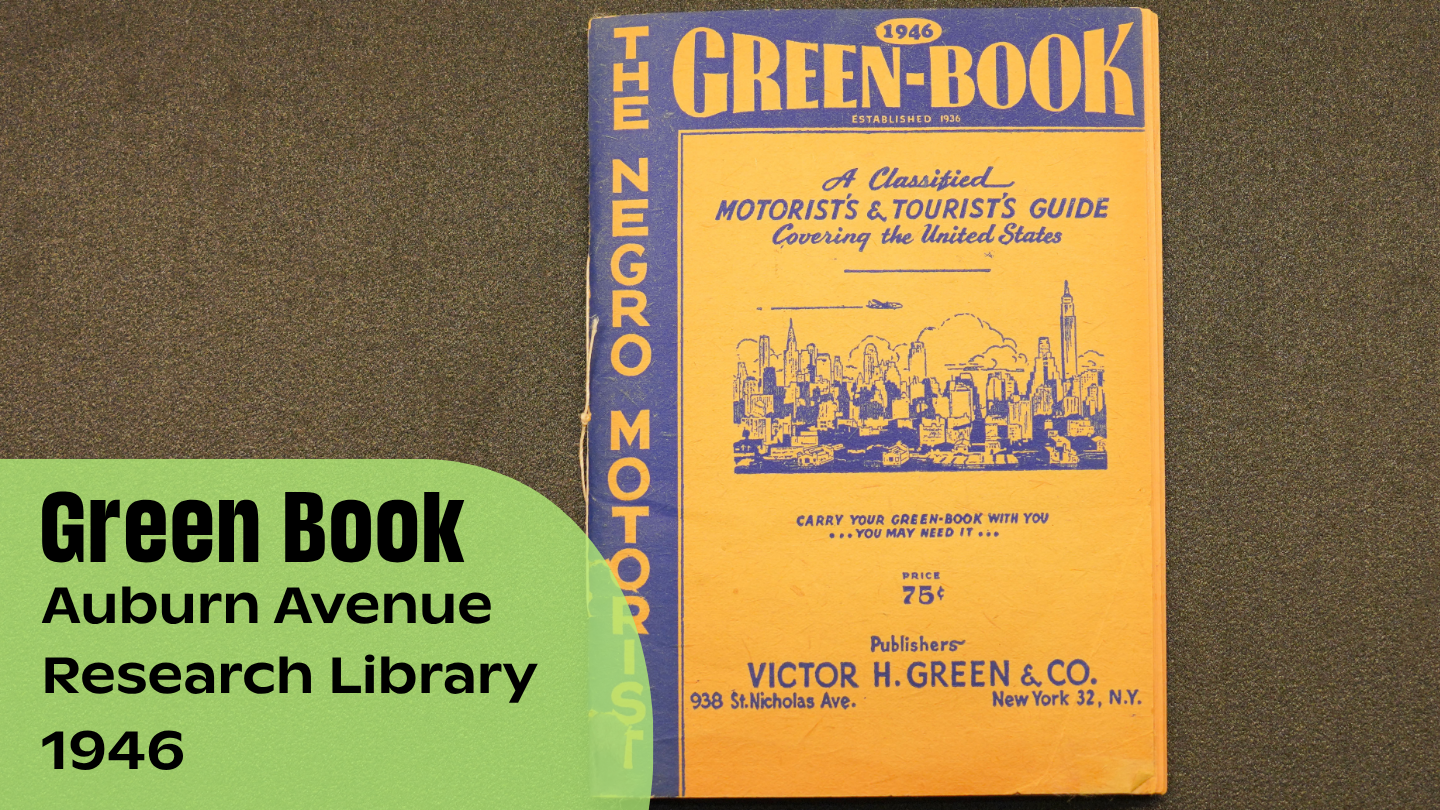
The Green Book

Auburn Avenue Research Library

During Segregation, the annual Green Book by New York City mail carrier Victor Hugo Green helped travelers know where they’d be safe and welcome. Now, the book is helping research Black-owned businesses from that time, and it gives a sense of the city and its culture. This particular copy has helped tell that story on a national stage. The Auburn Avenue Research Library loaned it to the National Museum of African American History and Culture in Washington, D.C., where it was on display for several years.

“There was a time where you needed this book as a guide and you needed to have this in your car at all times. And so this really does show the changes in our country, as well as the struggle for civil rights. This book is a true example of what it meant to be Black in the U.S. in the 1940s.”

Derek Mosley, Archives Division Manager at the Auburn Avenue Research Library on African American Culture and History

Brer Rabbit

Wren’s Nest

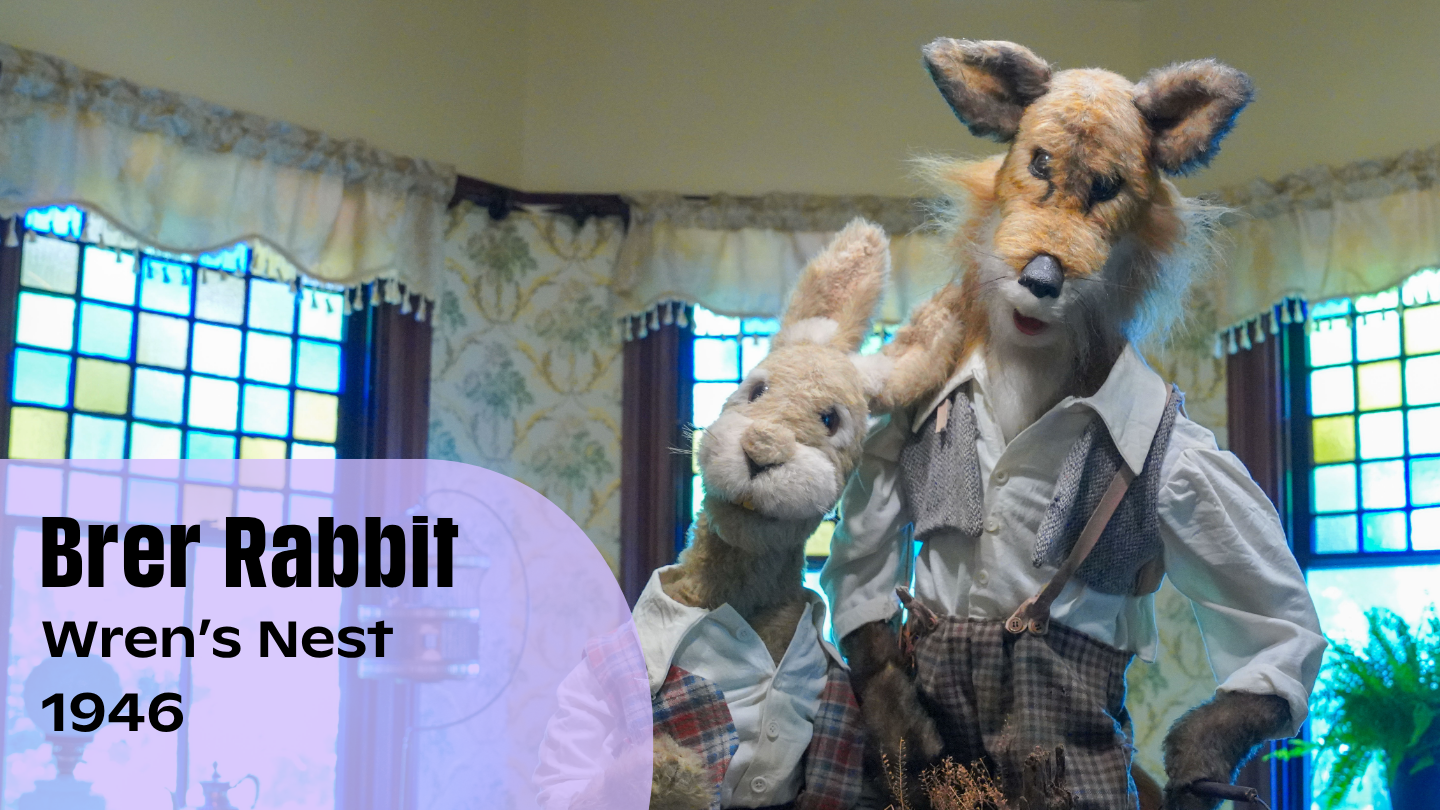
The Wren’s Nest is a big, ornate house in Atlanta’s West End neighborhood. It belonged to writer and journalist Joel Chandler Harris, who learned folk tales from people who were enslaved on a Georgia plantation where he spent time. Harris, who was white, took down the stories about the trickster Brer Rabbit. Two stuffed animals depicting Brer Rabbit and Brer Fox were in the lobby of the Fox Theater for the premiere of ‘Song of the South,’ a 1946 Disney movie inspired by the Uncle Remus tales. It’s controversial due to how slavery is portrayed.

“There are so many different stories of America and different cultures and people and many people who have had to overcome their own battles, their own hardships. There’s a larger conversation about, when you are inspired by a culture that’s not your own, what is the responsible way to then share that enthusiasm?”

Wesleigh Reaves, tour guide at the Wren’s Nest

Carter’s Flag

Jimmy Carter Presidential Library and Museum

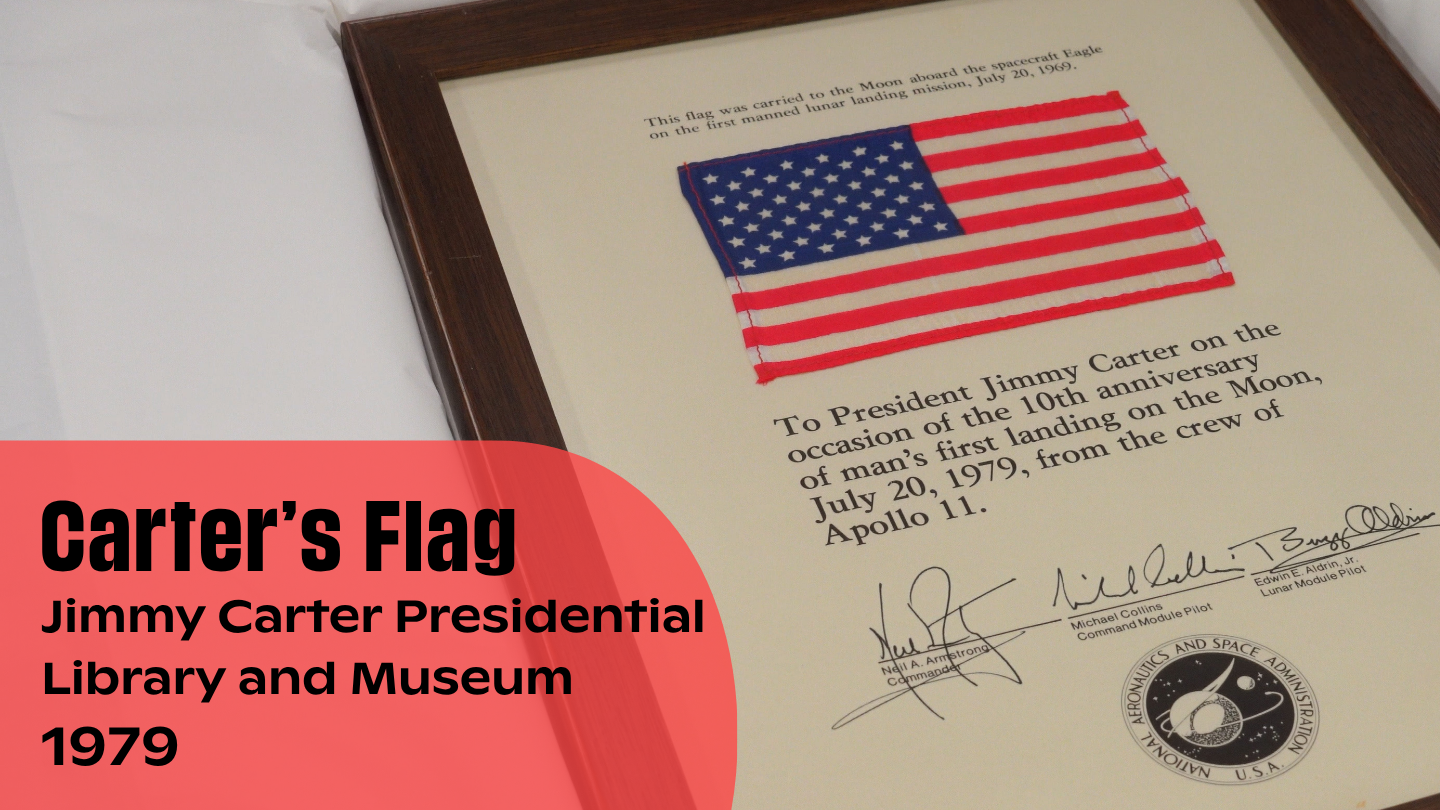
On the tenth anniversary of Apollo 11, President Jimmy Carter held a ceremony honoring the mission. The astronauts presented him with a small framed and mounted American flag. It was actually on the Apollo 11 and on the Eagle spacecraft lunar lander with Buzz Aldrin and Neil Armstrong. In the same year Carter got this flag, he also stepped in with funding to save the space shuttle program.

“I do believe [Apollo 11] is one of our greatest triumphs, right? As Americans, it is something that was a unifying event”

Emily Curl, museum technician at the Jimmy Carter Presidential LIbrary and Museum

More from WABE for America 250