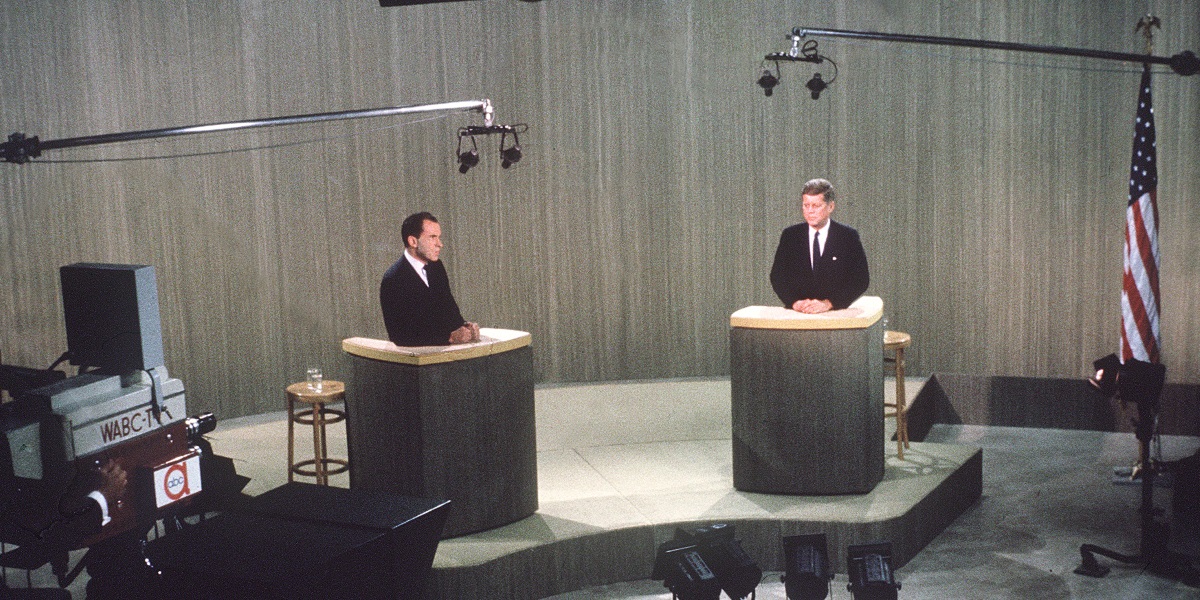
In 1960, an unprecedented development drastically changed the American election process. Vice President Richard Nixon and the then-lesser-known Sen. John F. Kennedy went head-to-head on Sept. 26, 1960 for the whole world to see, debating their platforms in front of a television camera.
Without such a development, Kennedy would never have been propelled toward victory come election time, according to Time. Legend says television viewers – who were the majority over radio listeners by this time – saw the calm, cool and collected Kennedy ooze confidence compared to Nixon, who still looked unwell after having spent some time in the hospital prior to the debate.
Historically, debates have had the power to make or break a campaign. Whether candidates are reaching for their “binders full of women” or arguing the presence of podiums, the presidential debate battleground allows viewers to get a more candid, up-close look at candidates and get a feel for what they really stand for when America is watching. To be successful nowadays, a candidate not only has to know their platform intimately, but also must look approachable and likable to a television audience.
Read this story now for free
To continue reading, sign up for our newsletter and get unlimited access to WABE.org
You can select your preferences for news and local content. We will never share your email address. Learn how your newsletter sign-up will support WABE and Public Media