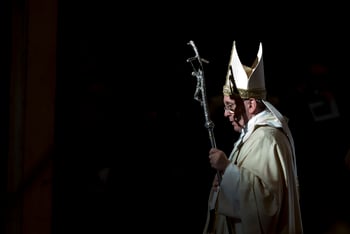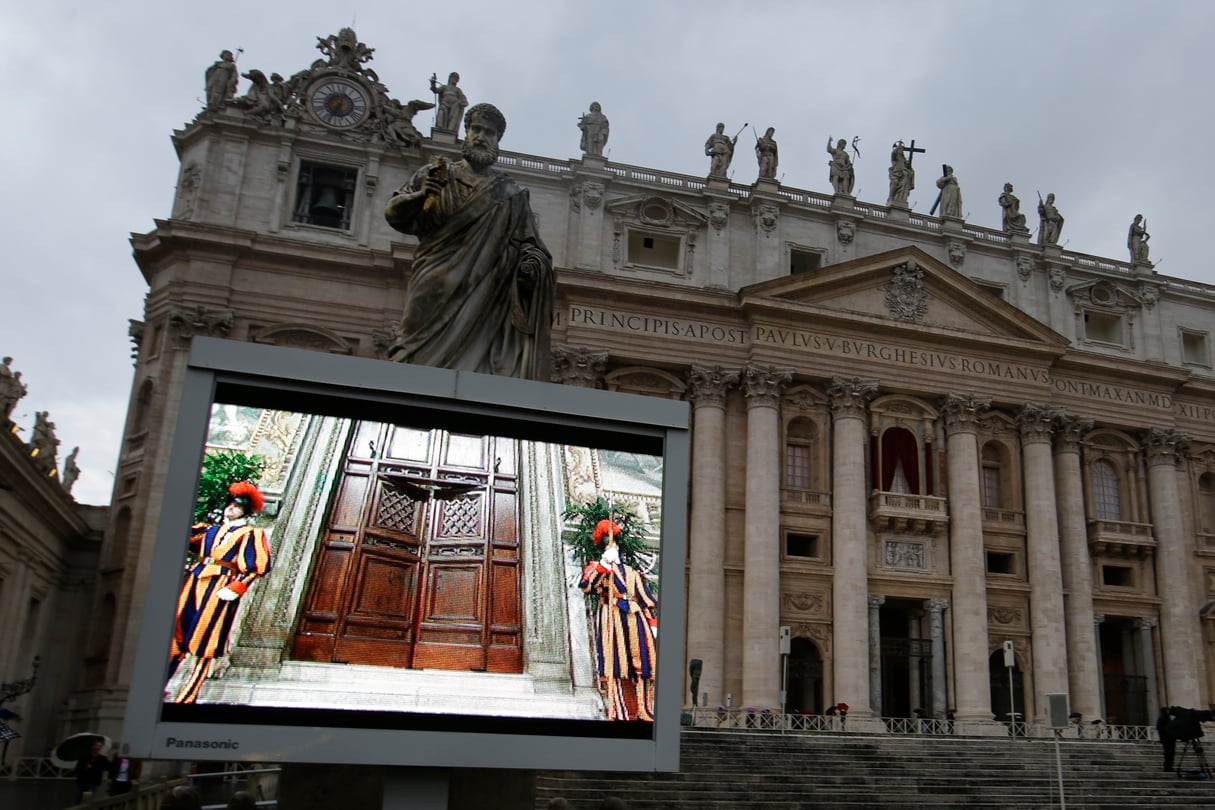
The white smoke is famous. When it streams out of a chimney at the Sistine Chapel, it signals that a new pope has been chosen and sets off celebrations among some 1.4 billion Catholics around the world.
Behind the scenes, a mysterious and intensely dramatic process culminates in that smoke — literally. It’s created by burning the ballots cardinals just used. White smoke signals that the Roman Catholic Church has a new leader; black smoke means the cardinals will need to vote again.
With the death of Pope Francis, the elaborate mechanism will now begin to decide who sits in power at the Vatican, the seat of the last absolute monarchy in Europe. It centers around the conclave, a gathering whose name stems from the Latin for “with key.”
“That actually comes from the 13th century,” Bry Jensen, host of the long-running Pontifacts podcast, tells NPR. She says cardinals couldn’t agree on a new pope in 1268 and the Church went nearly three years without a pontiff, despite growing frustration outside the cardinals’ ranks.
“They locked the cardinals up behind closed doors, and then they put them on water and bread so that they would focus on the essentials,” says Kurt Martens, ordinary professor of Canon law at the School of Canon Law at the Catholic University of America.
Read this story now for free
To continue reading, sign up for our newsletter and get unlimited access to WABE.org
You can select your preferences for news and local content. We will never share your email address. Learn how your newsletter sign-up will support WABE and Public Media