20 years later: How Hurricane Katrina survivors built lives in Georgia

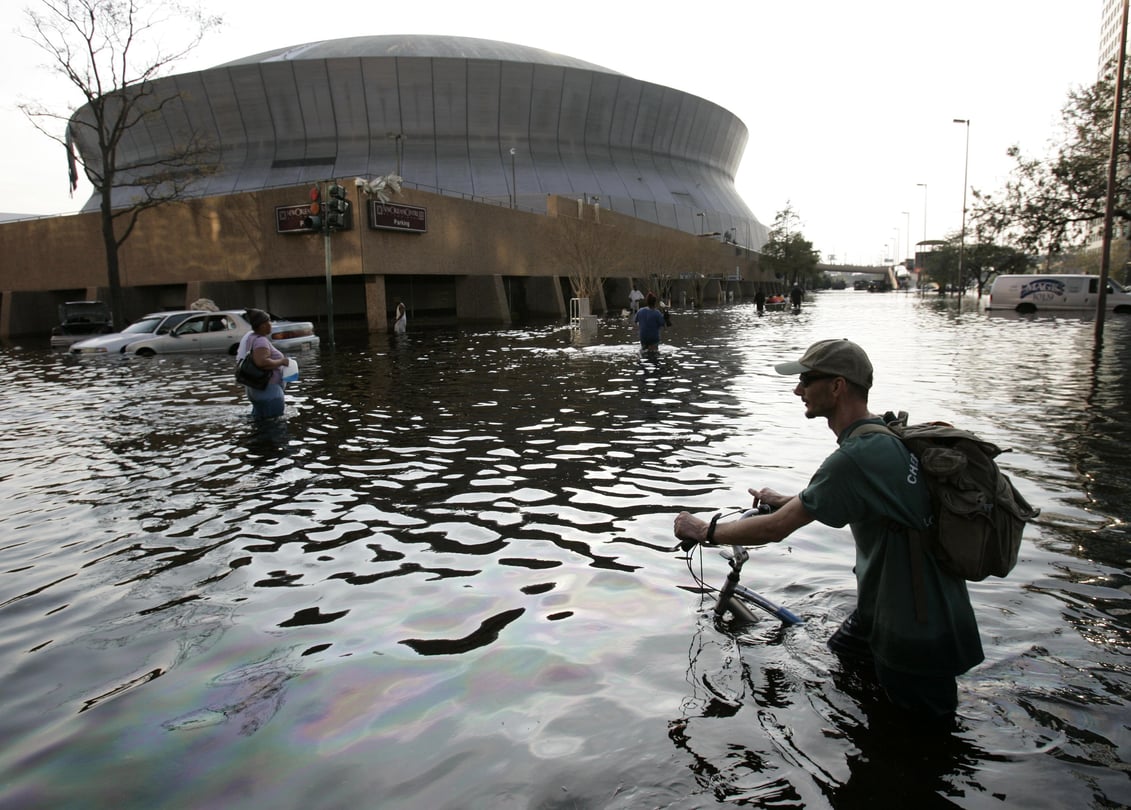
This Aug, 31, 2005, file photo shows a man pushing his bicycle through flood waters near the Superdome in New Orleans after Hurricane Katrina left much of the city under water. (AP Photo/Eric Gay, File)

This story was updated on Thursday, Aug. 28 at 9:14 a.m.

20 summers ago, families braced for a storm that would significantly change their lives in Louisiana forever – Hurricane Katrina. 

This week marks the 20th anniversary of the devastating storm and its impact on the Gulf Coast, particularly in New Orleans. 
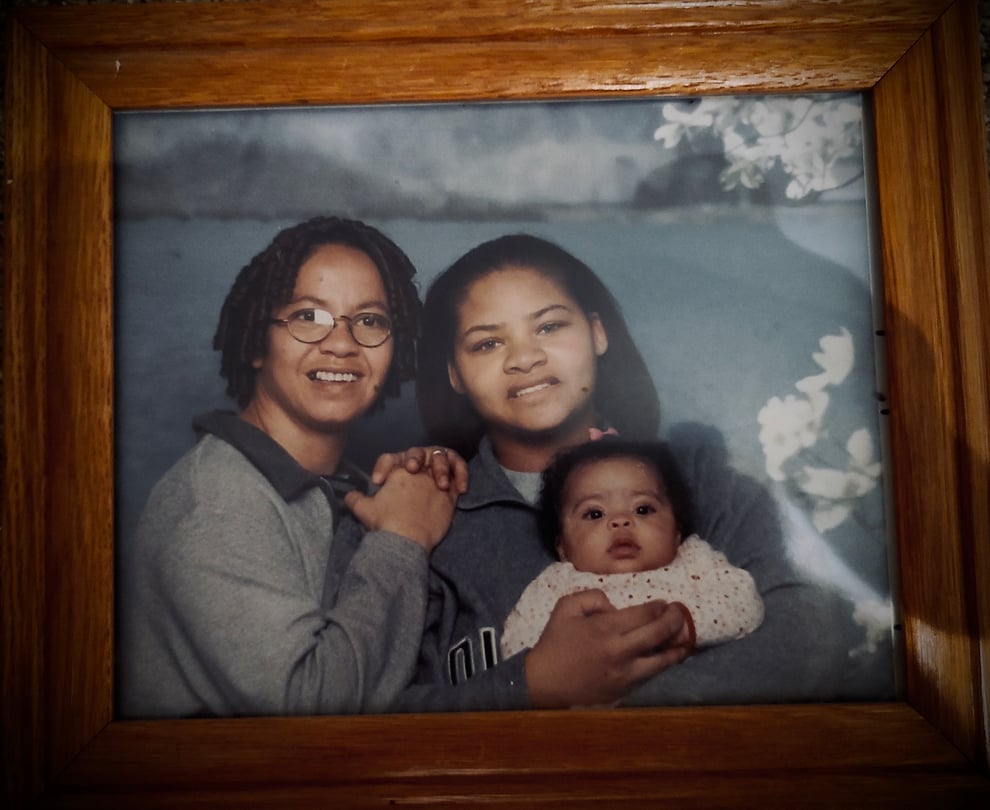


Thousands of Louisianans came to metro Atlanta for safety. Some people returned to their homes if they could, while others planted roots and built a life in the Peach State.  


Blair Dottin-Haley was in his late 20s when the storm forced him and his family out of the major storm zone. 

“My family evacuated the weekend before. We evacuated initially to Houston. We were in Houston for two or three days … and then decided that we were gonna relocate to Atlanta … not really knowing how long that would be,” Dottin-Haley said.

Though there’s no reported number of people who stayed in Georgia following the storm, Dottin-Haley’s family was among more than 100,000 evacuees who came to the state for safety. 

“I always think back to what happened, where it led me to. And sometimes I think, if it had not happened, where would I be in life? Would I be in this career I’m doing now, what would I be doing?”

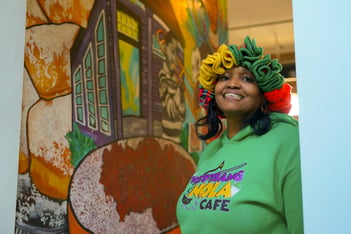
Trenise Gant became a teacher with Atlanta Public Schools after moving to Atlanta in the aftermath of Hurricane Katrina.

The same happened with Trenise Gant’s family.

“My mom had the suitcase open and she was just throwing clothes, and I’m like, ‘What are you doing?’ She said, ‘Your dad called and said we better get the hell up out of there,’” Gant said.

Gants says her family packed enough clothes for only three days and made for Atlanta, where her sister lives. Other Louisianans, like Susan Levitas, were rushed to leave ahead of Katrina.

“Someone that we knew and trusted who wrote for the newspaper told us that this was the one and that we needed to get out of town. So the day before the storm, we packed everything up,” Levitas said. “I decided not to bring all of my belongings all the way upstairs cause I’ve been through this before, so I just sort of lifted everything about 6 or 7 ft off the ground.”

Once in Atlanta, different hardships arose amid the aftermath of the storm.

“I ended up living in a hotel in Buckhead for about 5 months total, waiting for FEMA to figure out what they needed to do and all of those things. So I stayed in the hotel for 5 months, trying to figure out housing and all of that stuff,” Dottin-Haley said. 

A large number of relatives were under the roof of Gant’s sister until hotel stays were approved.

“My aunt gathered my other family members, and they headed out. They came out to Atlanta. So, we’re talking now about 30+ people in my sister’s house for over a week,” Gant said.

“The moment they realized that I was the person behind the resume, without even an interview, they said that they didn’t think the job was appropriate for me.”

Blair Dottin-Haley said finding work as a Black man in Atlanta was difficult after Hurricane Katrina.

And Levitas immediately jumped into gear, planning her daughter’s Bat Mitzvah.

This kind of thing that you would normally prepare for a year, you know,” Levitas said. “I had to restage the whole thing here in Atlanta, and I had 3 weeks to do it, and I was pregnant and was watching my city be destroyed.”

Levitas is originally from Atlanta. Her family stayed with her parents for close to a year, hoping to return home to New Orleans. However, she was advised to stay due to unsafe conditions amid the aftermath. 

“We were advised that the environment, both the air, the water, that just living in general was going to be very challenging. And for my health, it would be a better choice to stay here. I was also an older pregnant woman. I was 43,” Levitas said.

Another issue faced was finding employment and stability, according to Dottin-Haley, who’s a Black man. 

“The name Blair Haley connotated a white woman to a lot of people … I got phone calls based on me having sent my resume out, and the moment they realized that I was the person behind the resume, without even an interview, they said that they didn’t think the job was appropriate for me.”

Dottin-Haley eventually left for better employment in Washington, D.C. around 2008.

Gant initially went back to New Orleans shortly after the storm for a couple of months.

“I think I only worked there maybe two months because I remember sitting in the break room and looking at my check. I was just like basically working paycheck to paycheck here, and I have a whole apartment in Atlanta fully furnished.”

Gant moved back permanently in 2006, pursuing a career in teaching with Atlanta Public Schools. However, with the anniversary this week, she believes it changed the trajectory of her life path.

“I always think back to what happened, where it led me to. And sometimes I think, if it had not happened, where would I be in life? Would I be in this career I’m doing now, what would I be doing?” Gant said.

At the same time, Levitas reflects on the southern hospitality and community around her. 

“It was such a monumental experience that I think everyone knew and understood and treated us with an incredible amount of kindness and generosity, and that was really surprising, incredible, and humbling,” Levitas said.