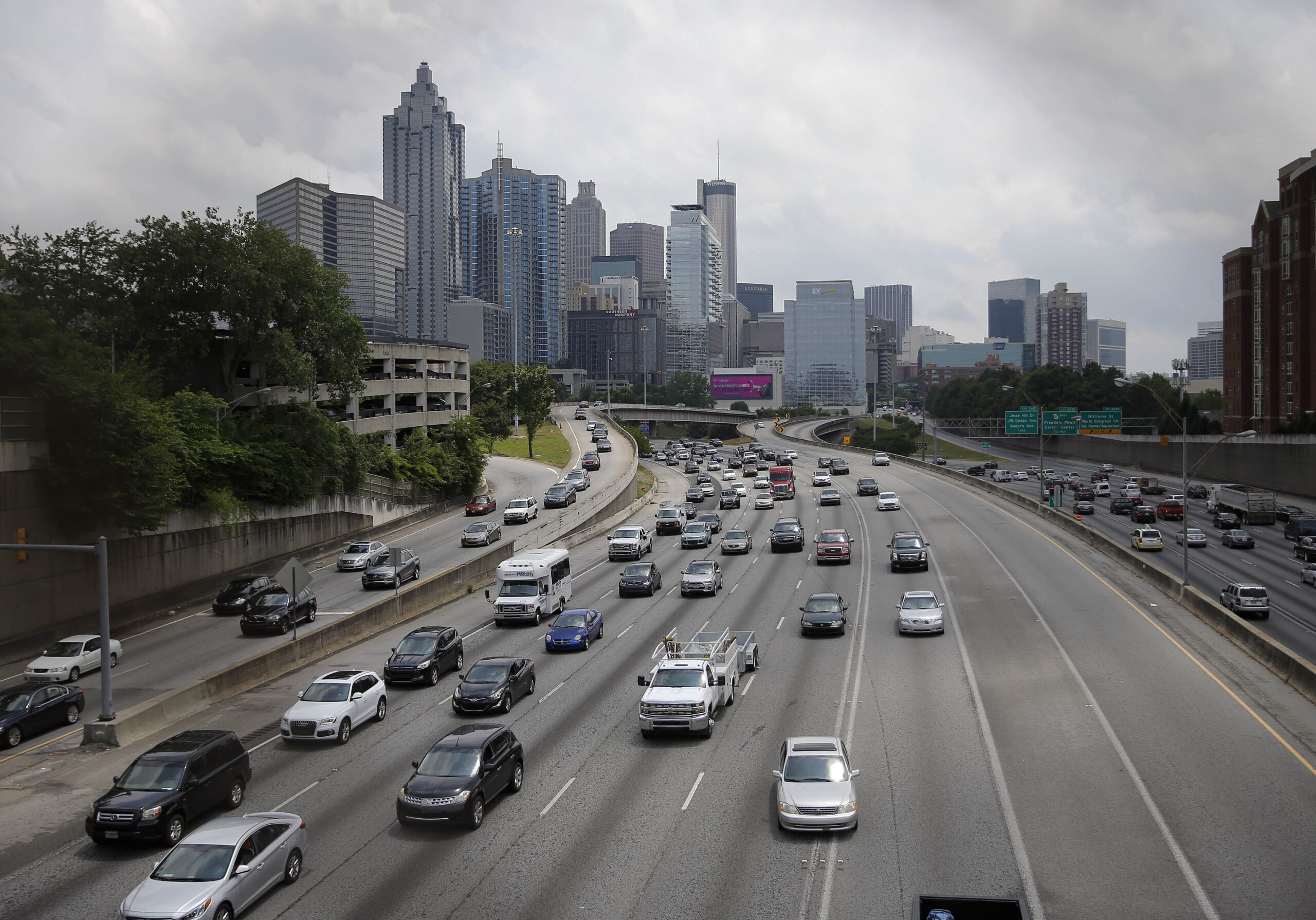
Atlanta neighborhoods that were subject to racist housing policies decades ago have higher levels of air pollution than other neighborhoods, according to a recent study that looked at the legacy of redlining in hundreds of American cities.
Experts say the study, published in the journal Environmental Science & Technology Letters, shows that decisions made nearly 90 years ago still affect people’s lives unequally.
In the late-1930s, the federal government’s Home Owners’ Loan Corporation graded American neighborhoods for how risky it considered loans to be in those areas. Areas graded “A” were considered safer investments, and the scale went down to “D” grades, considered “hazardous.” Those “D” neighborhoods were shaded red on maps.
Read this story now for free
To continue reading, sign up for our newsletter and get unlimited access to WABE.org
You can select your preferences for news and local content. We will never share your email address. Learn how your newsletter sign-up will support WABE and Public Media