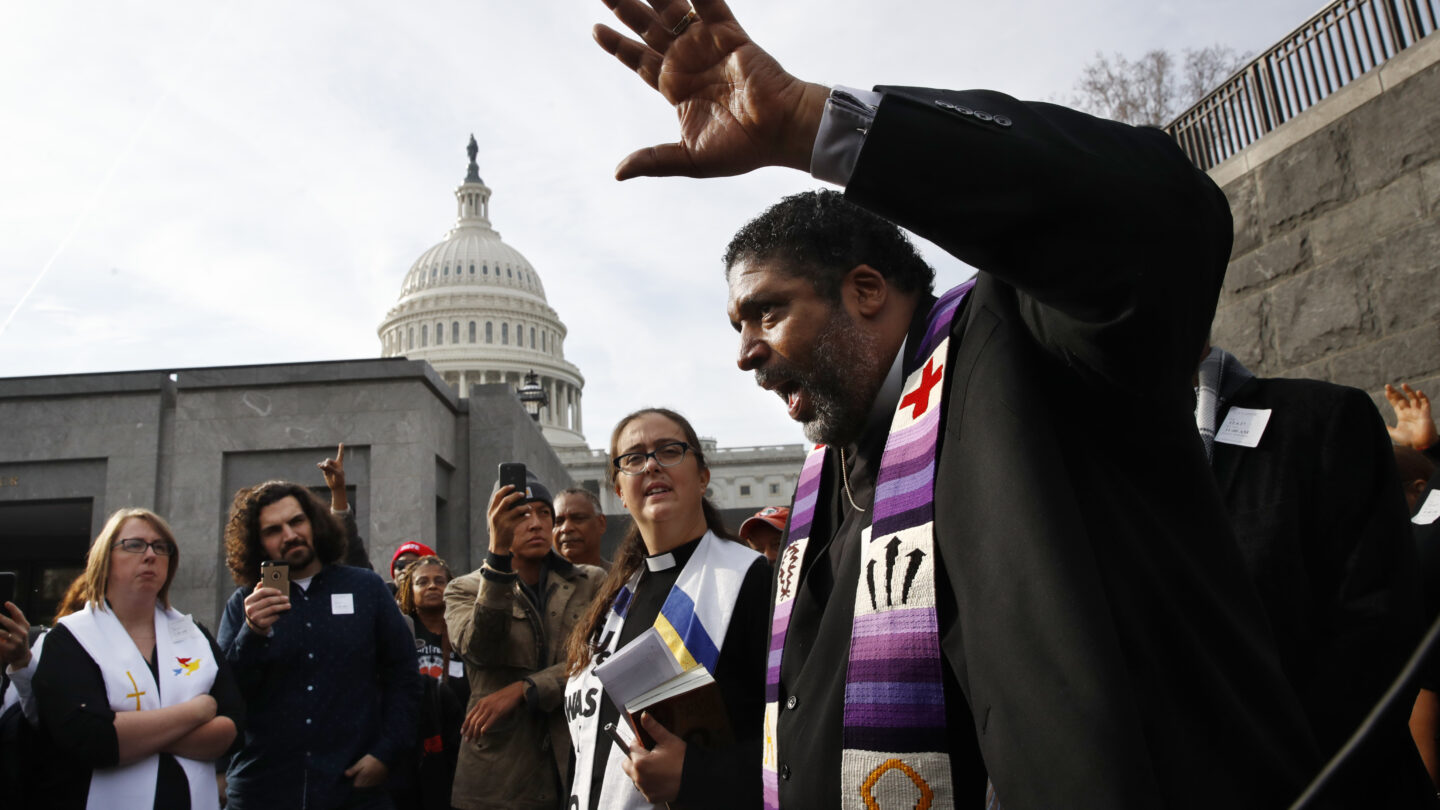
The March on Washington of 1963 is remembered most for the Rev. Martin Luther King Jr.’s “I Have a Dream” speech — and thus as a crowning moment for the long-term civil rights activism of what is sometimes referred to as the “Black Church.”
At the march, King indeed represented numerous other Black clergy who were his colleagues in the Southern Christian Leadership Conference. But the march was the product of sustained activism by a broader coalition. Black and white labor leaders, as well as white clergy, played pivotal roles over many months ahead of the event.
Moreover, the Black Church was not monolithic then — nor is it now. Many Black pastors and their congregations steered clear of civil disobedience and other nonviolent confrontational tactics in the civil rights era, just as some now steer clear of the Black Lives Matter movement and shun progressive Black pastors’ engagement on behalf of abortion rights and LGBTQ+ rights.
Read this story now for free
To continue reading, sign up for our newsletter and get unlimited access to WABE.org
You can select your preferences for news and local content. We will never share your email address. Learn how your newsletter sign-up will support WABE and Public Media