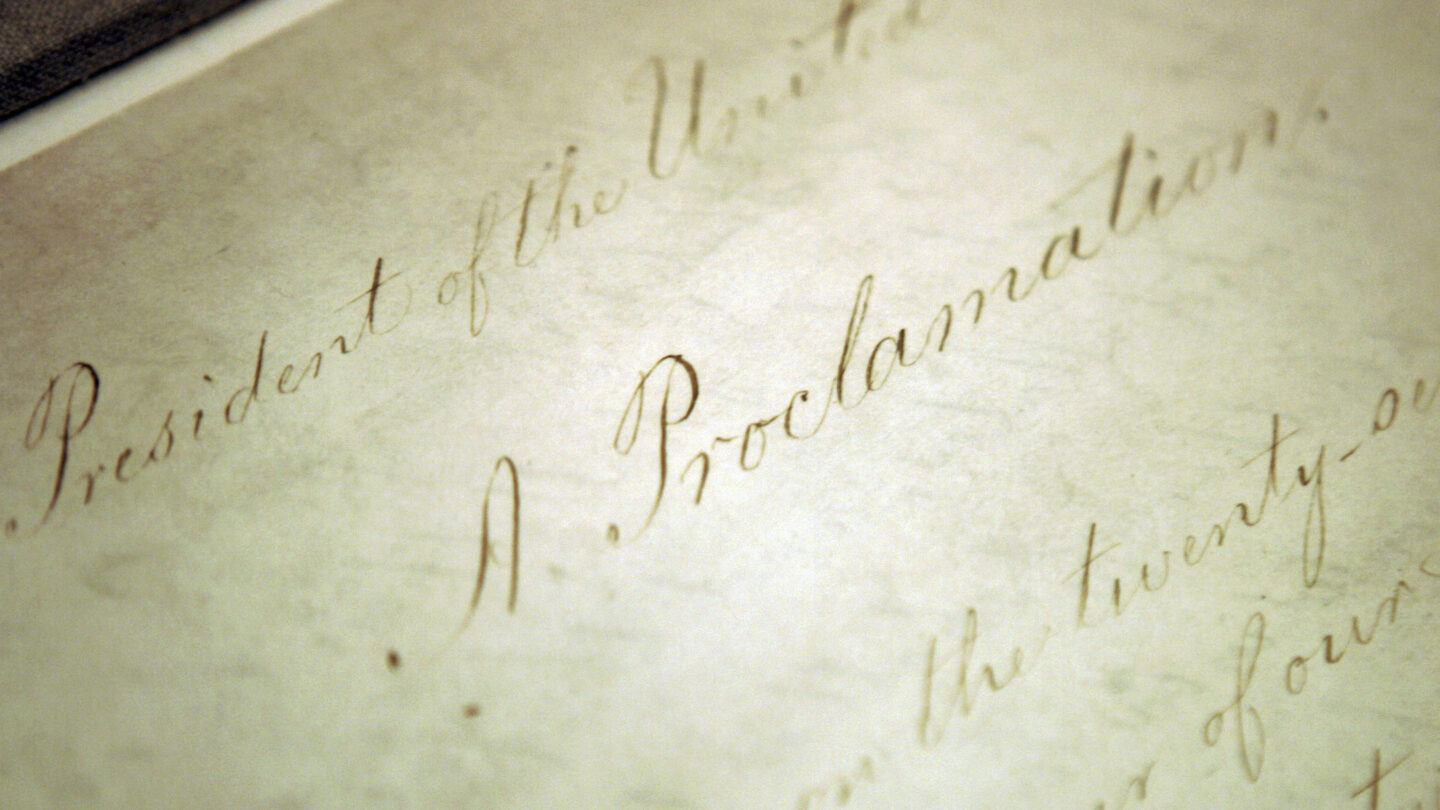
The tradition of Watch Night services in the United States dates back to Dec. 31, 1862, when many Black Americans gathered in churches and other venues, waiting for President Abraham Lincoln to sign the Emancipation Proclamation into law, and thus free those still enslaved in the Confederacy.
It’s still being observed each New Year’s Eve, at many multiracial and predominantly Black churches across the country.What is the historical background of Watch Night services?
As the Civil War raged on, Lincoln issued an executive order on Sept. 22, 1862, declaring that enslaved people in the rebellious Confederate states were legally free. However, this decree — the Emancipation Proclamation — would not take effect until the stroke of midnight heralding the new year.
Read this story now for free
To continue reading, sign up for our newsletter and get unlimited access to WABE.org
You can select your preferences for news and local content. We will never share your email address. Learn how your newsletter sign-up will support WABE and Public Media