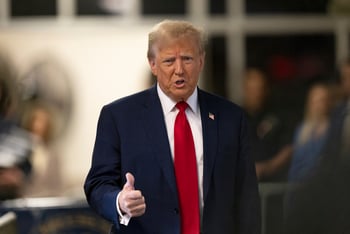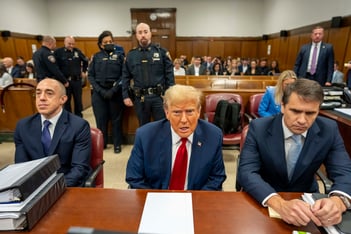
An Arizona grand jury’s indictment of 18 people who either posed as or helped organize a slate of electors falsely claiming that former President Donald Trump won the state in 2020 could help shape the landscape of challenges to the 2024 election.
The indictment issued Wednesday is part of a campaign to deter a repeat of 2020, when Trump and his allies falsely claimed he won swing states, filed dozens of lawsuits unsuccessfully challenging Biden’s victory and tried to get Congress to let Trump stay in power. That campaign culminated with the Jan. 6, 2021, attack on the U.S. Capitol.
The penalties piling up for that push include lawyers who helped Trump being disbarred, censured and sanctioned. Added to that are multimillion-dollar libel penalties and now criminal charges in four states for spreading lies about the 2020 election. That effort included submitting so-called fake electors contending that Trump had actually won the states and that Congress should recognize them rather than the electors won by President Joe Biden.
Read this story now for free
To continue reading, sign up for our newsletter and get unlimited access to WABE.org
You can select your preferences for news and local content. We will never share your email address. Learn how your newsletter sign-up will support WABE and Public Media