It was a hot day at the zoo when Jordan Carlson’s son, who has motor-planning delays, got thirsty. “We went to the snack bar and found out they had a ‘no straw’ policy,” Carlson says. “It was a hot day and he couldn’t drink.”
Their only option was to leave the park and look for a business that sold drinks with a straw. Without one, her son can’t drink beverages. At home they use reusable straws and she tries to keep some on hand when they leave the house, but “I’m human and sometimes I forget,” Carlson explains. People with disabilities have to be much more conscious of what businesses and communities offer, Carlson says.
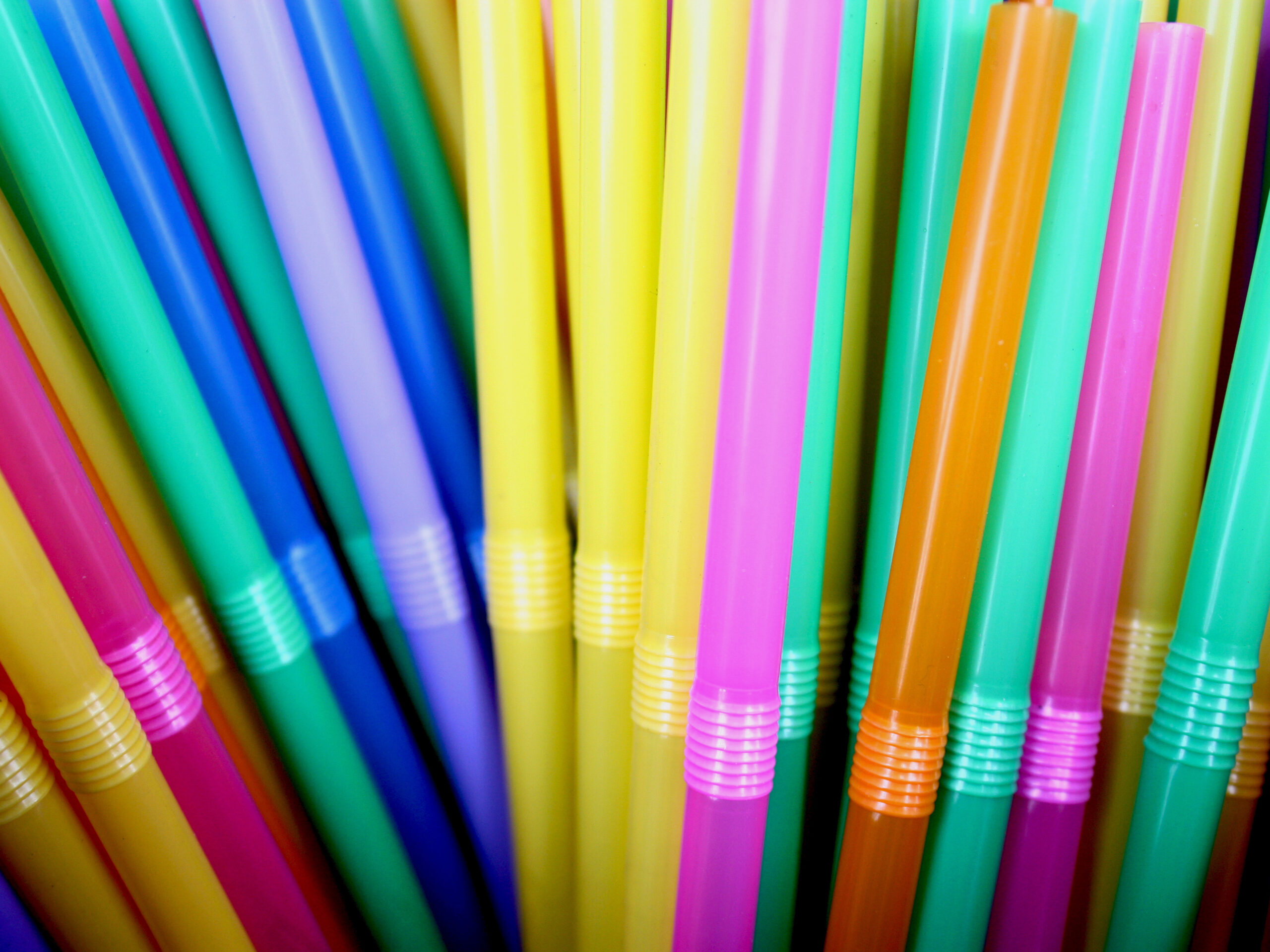
On social media, many people are ecstatic about the crush of cities and businesses pledging to ban plastic straws once and for all. Ever since a video showing a sea turtle with a straw stuck up its nose went viral, campaigns like #StopSucking for a strawless ocean have gained considerable traction. Seattle this month implemented a citywide ban on plastic straws, Starbucks announced on Monday that it will phase out the use of plastic straws by 2020, and many other municipalities and businesses are likely to follow suit. As one Twitter user posted, “My waiter asked ‘Now, do we want straws OR do we want to save the turtles?’ and honestly we all deserve that environmental guilt trip.”
Read this story now for free
To continue reading, sign up for our newsletter and get unlimited access to WABE.org
You can select your preferences for news and local content. We will never share your email address. Learn how your newsletter sign-up will support WABE and Public Media