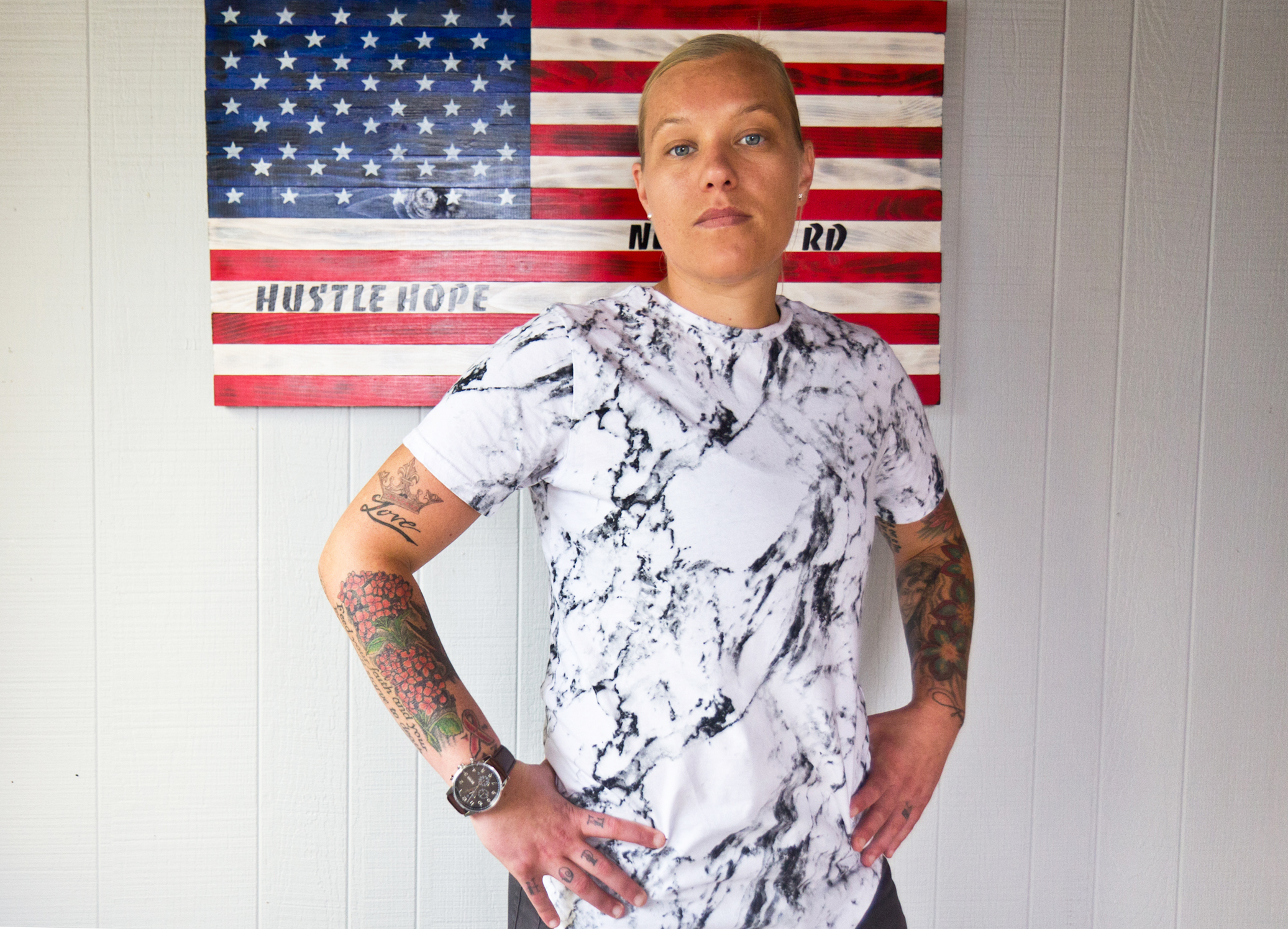
Cristina Rivell has been struggling with an opioid addiction since she was a teenager — going in and out of rehab for five years. The most recent time, her doctor prescribed her a low dose of buprenorphine (often known by its brand name, Suboxone), a drug that helps curb cravings for stronger opioids and prevents the symptoms of withdrawal.
As the devastating effects of the opioid crisis continue, a growing body of research supports the efficacy and safety of this sort of medication-assisted treatment (also called MAT) for drug recovery, when combined with psychotherapy. But the use of any of these medicines — a list that includes methadone and naltrexone, as well as Suboxone — remains frowned upon by most operators of sober living houses.
These “recovery houses,” sometimes also referred to as sober living homes, sober homes or sobriety houses, are commercially run residences where small groups of people who are battling addiction live and eat together, go together to meetings of Narcotics Anonymous or Alcoholics Anonymous and support each other as they go to therapy.
Read this story now for free
To continue reading, sign up for our newsletter and get unlimited access to WABE.org
You can select your preferences for news and local content. We will never share your email address. Learn how your newsletter sign-up will support WABE and Public Media