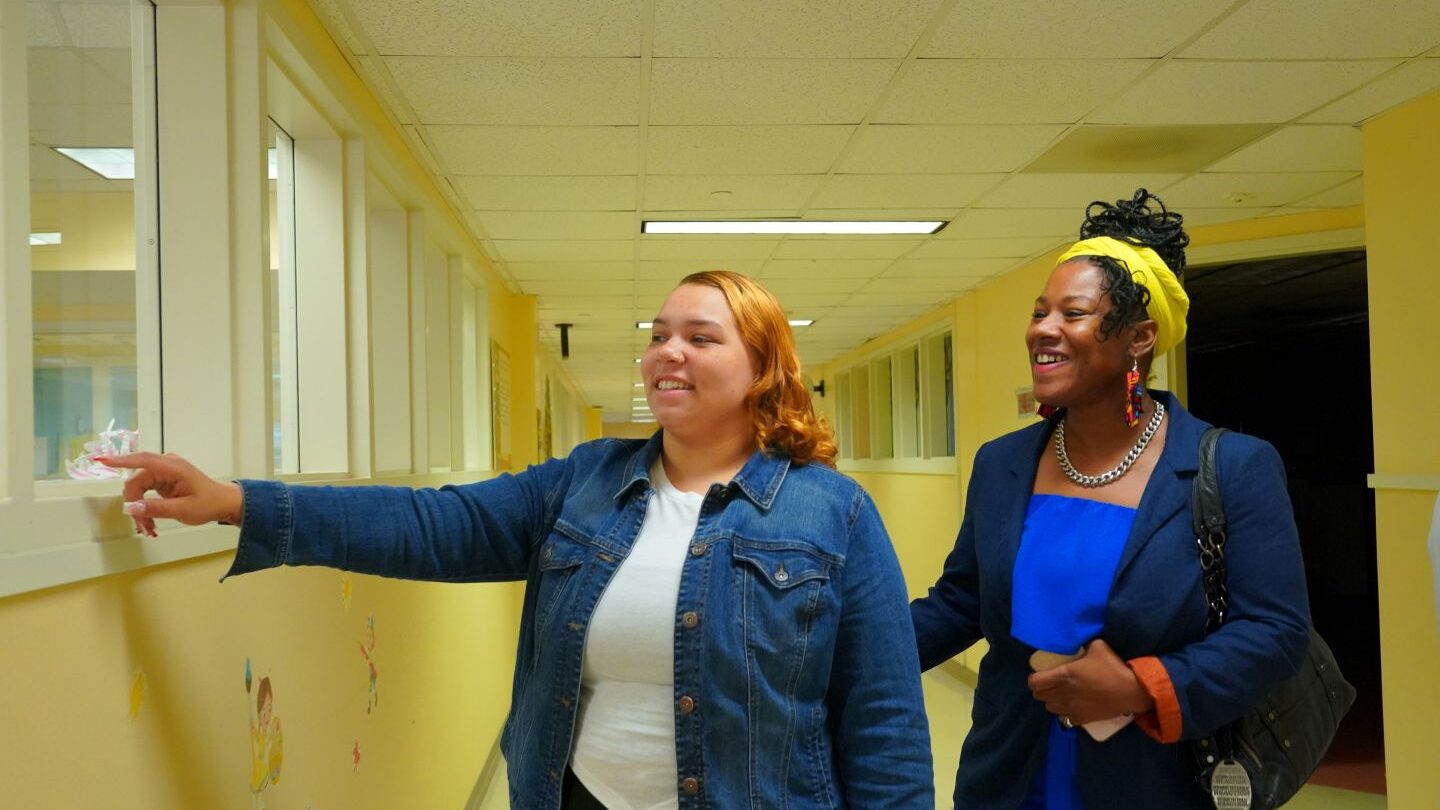
Brittni Steele, left, and Ivory Shyleen, right, look on as Shyleen's son Knight receives instruction at a Sheltering Arms Head Start facility in Atlanta. (Matthew Pearson/WABE)
This story was updated on Monday, June 2, 2025, at 2:50 p.m.
This small, red-brick facility is a lifeline for 16 toddlers and their families in the small city of Winder, Georgia.
By 8 a.m., parents drop off their kids at the Barrow County YMCA of Metro Atlanta’s Early Head Start facility. The kids wash their hands, then have breakfast provided by the center, which has its own kitchen. Schedules are staggered by class and age, but all the kids have lunch, recess and snack time before dismissal at 2:30 p.m.
Today, some of the one-year-olds are having “dramatic play” time.
One child is dressed up like a doctor. The teacher asks, “Can you check me? I’m having tummy aches, and my throat is hurting, and my head hurts. So what are you going to prescribe me?”
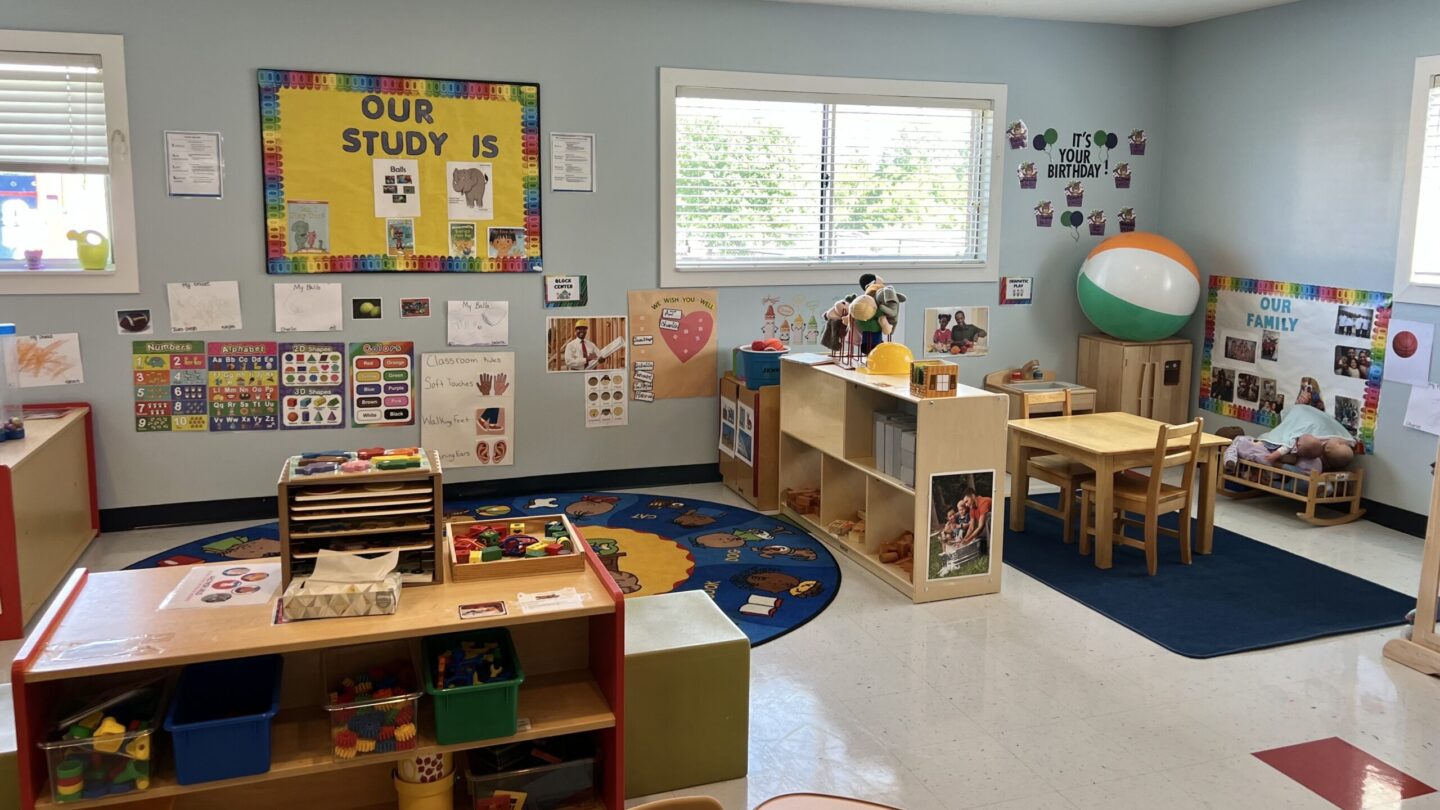
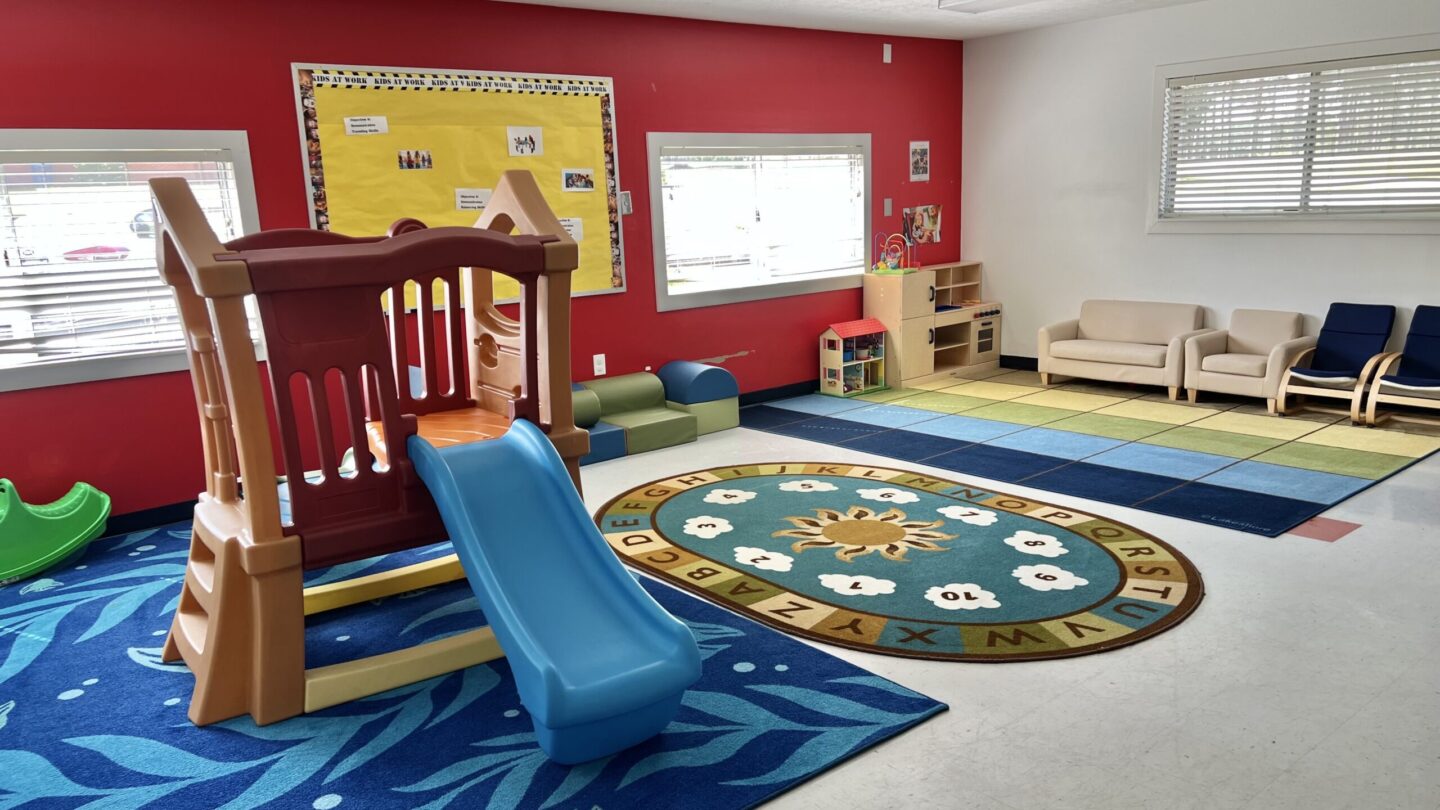
A classroom at the YMCA of Metro Atlanta Early Head Start facility in Barrow County. (Meimei Xu/WABE)
Andria McMichael, who is the chief education officer of the YMCA of Metro Atlanta, chimes in. “You’re a doctor? Are you a doctor?”
“Yeah!” the child responds.
“All right! That’s awesome,” McMichael says.
Not many of these kids can form full sentences yet, but they’re surrounded by posters, pictures and toys. Every day, the teacher will read to them in a dedicated corner of the room with a shelf of books.
“What we’re big on is having conversations with the children, so to expand their language and their literacy, because we truly believe having those conversations and talking with the children really helps them to grow and expand their understanding,” McMichael explains.
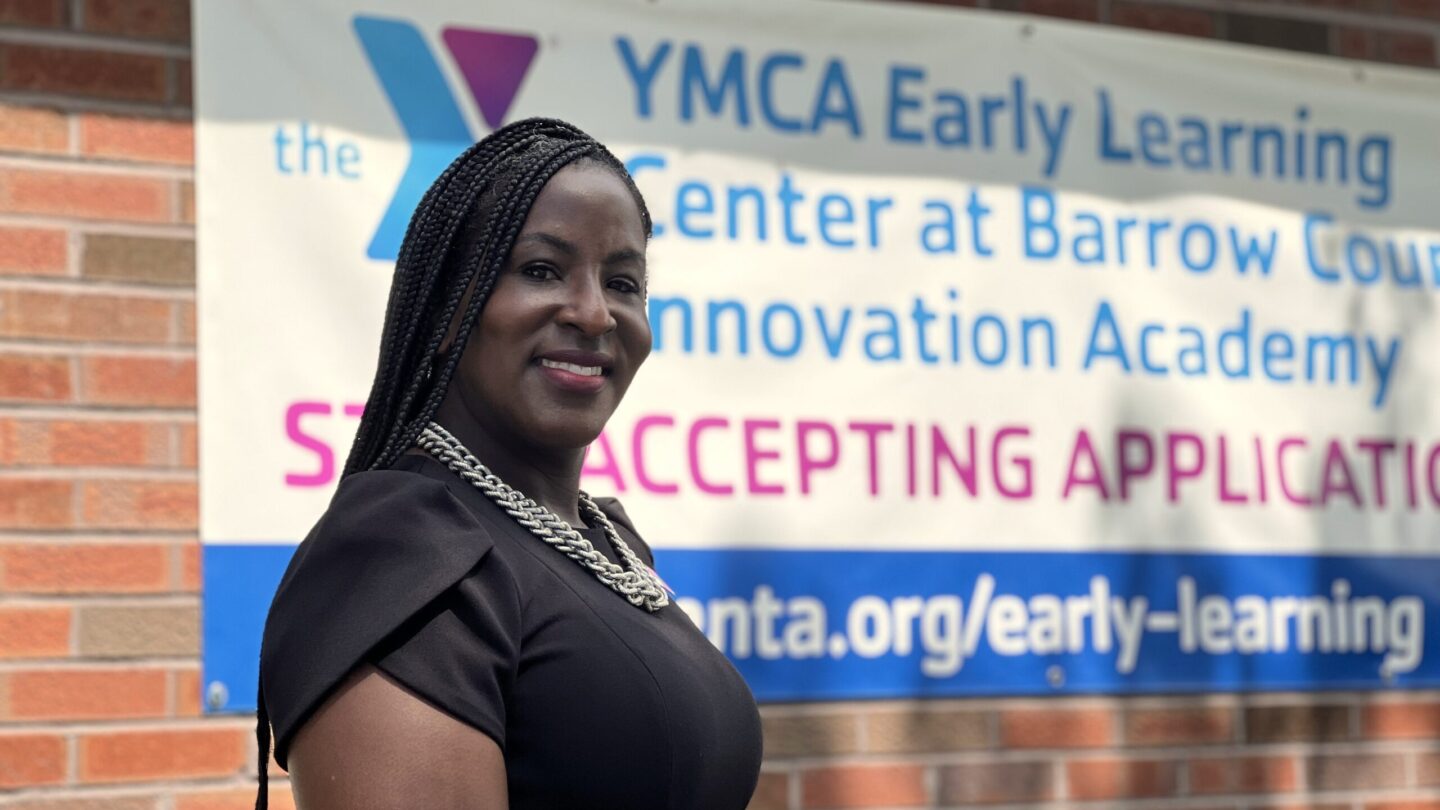
Andria McMichael, the chief education officer at the YMCA of Metro Atlanta, stands in front of an Early Head Start facility in Barrow County. (Meimei Xu/WABE)
Early Head Start centers like this one offer free child care for kids up to age three. It’s under the broader umbrella of Head Start, a federally-funded program that offers low-income families free child care and early childhood education for children under age six.
In Georgia, more than 23,600 children were enrolled in Head Start and Early Head Start in FY 2024, according to the Georgia Cross Agency Child Data System. Georgia received around $289 million in federal funding for FY 2024 for Early Head Start and Head Start, according to Georgia Head Start Association Executive Officer Juanita Yancey. Federal funding covers 80% of the cost of Head Start, and programs are required to cover the other 20% of the cost.
“This is so different than just, you know, a child being ‘cared for.’ I mean, this is a rigorous research-based curriculum, focused on literacy, numeracy, social emotional learning, making sure that kids build those real skills that they need so they can excel in school,” said Lauren Koontz, CEO and president of the YMCA of Metro Atlanta, which provides Early Head Start and Head Start to more than 3,000 children.
This year marks the 60th anniversary of the program, originally created as an eight-week program under the administration of President Lyndon B. Johnson as part of his campaign against poverty.
This particular facility in Winder has a waitlist of around 50 kids, and Head Start providers say that they still lack funding and staff. But earlier this year, national media outlets reported that drafts of the White House’s FY 2026 budget proposal included the elimination of Head Start, sparking backlash across the country from parents, educators and advocates. The Trump administration did not provide a reason for considering these cuts at the time. “No funding decisions have been finalized,” said Rachel Cauley, communications director of the White House Office of Management and Budget, in a statement to WABE in April.
Then, the White House revealed a budget proposal in early May without those cuts.
Still, as the Trump administration continues to put federal grants and programs on the chopping block, advocates are saying that the fight to preserve Head Start is far from over.
Head Start’s benefits for parents
As a single mother, Ivory Shyleen was paying almost $180 a week for private day care for her son when she heard about Head Start through her mother, who is an educator.
“Having Head Start and not that large cost, I’ve been able to stay in the nonprofit field,” said Shyleen.
Her son, Knight, is now enrolled at the Head Start program provided by a Sheltering Arms facility in Atlanta. Sheltering Arms centers provide a mix of programs, including Early Head Start and Head Start to around 850 children.
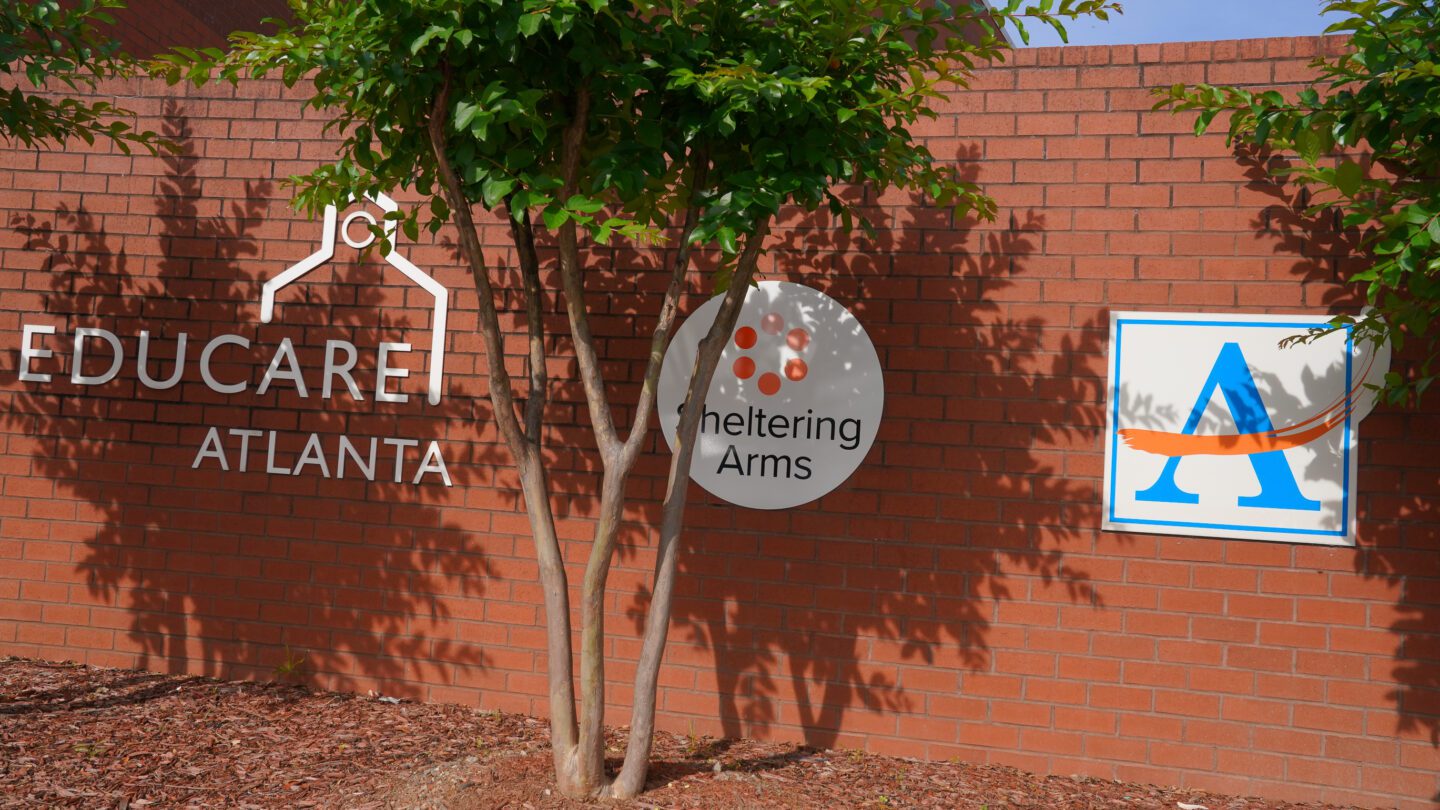
Sheltering Arm’s Educare facility in Atlanta provides Head Start. (Matthew Pearson/WABE)
Brittni Steele’s child is enrolled at that same center.
“It’s been life-changing, actually,” Steele said. “It’s been a choice whether I’m going to be in a career or if I’m gonna pay child care, so having access to affordable and no-cost care has allowed my family to actually thrive and make better choices for us to have optimal health.”
Vanessa Canales, whose son is enrolled at the YMCA Early Head Start facility in Winder, said having free child care helped her obtain a job at a call center.
“I prefer for him to be at the center learning than being at home with me watching TV. So over here he’s learning and it’s a free program for parents like me who want to start working or going to school,” Canales said.
Squaring away child care can have major impacts not just for the parent, but also for the state’s overall economy. Challenges related to child care cost Georgia $2.52 billion in economic activity every year, according to a study by the Georgia Early Education Alliance for Ready Students (GEEARS) and the Metro Atlanta Chamber. Moreover, the study found that among parents of children up to age five, 31% quit their work, school or training and 34% reduced their work from full-time to part-time in order to manage child care challenges.
“I think that it’s really important to realize the role that child care plays in our workforce and our economy in Georgia. Child care is critical so that families of all incomes can go to work,” GEEARS Executive Director Mindy Binderman said. “Child care is expensive in Georgia, it can cost as much as 40% of a low-income, working family’s salary to send an infant to child care.”
The services that Head Start provides families go beyond child care.
When Canales moved to Winder three years ago, Head Start helped her find a nearby food pantry, free diaper drives, Medicaid services and WIC, or the Special Supplemental Nutrition Program for Women, Infants and Children. It’s a federally funded initiative that provides nutrition and breastfeeding support for parents of children under age 5.
“If I didn’t have the program, I wouldn’t know what to do next,” she said.
“Congress writes and approves its own budget, and there’s still kind of a far way to go before we’re confident that Head Start is actually safe.”
Mindy Binderman, executive director of Georgia Early Education Alliance for Ready Students
According to McMichael, the chief education officer at the YMCA of Metro Atlanta, parents have monthly meetings with staff to go over their needs. Staff will oftentimes connect parents with trainings, workshops and resources to go over their financial, family and personal goals.
Steele said she’s been “over endowed” with resources from family services specialists. “It’s just been amazing to be embraced with such actual sincerity and really loving care,” she said.
Early intervention and child support in Head Start programs
When Juan Diego Canales enrolled in Early Head Start, he couldn’t walk, talk or even eat by himself. Staff at the Barrow County facility were able to determine that he needed speech therapy.
“I didn’t even notice that,” said his mother, Vanessa Canales. “They were able to notice that he wasn’t speaking clearly or enough.”
Now, the instructors talk to him in both English and Spanish.
“He’s speaking a lot more, even beyond more than he’s supposed to be speaking,” she said with a laugh.
Shantika Mallory, a disabilities and mental health specialist who works at sites in the northeast area, highlighted the importance of early intervention, since parents often don’t know how to spot the signs of ADHD, autism, speech impairments, etc.
“That’s one thing we do try to stress with our parents, is to get that support as early as possible so that once they reach the kindergarten age, they may not need those services or they’ll be more familiar with what it is they should be receiving once they get to that age,” Mallory said.
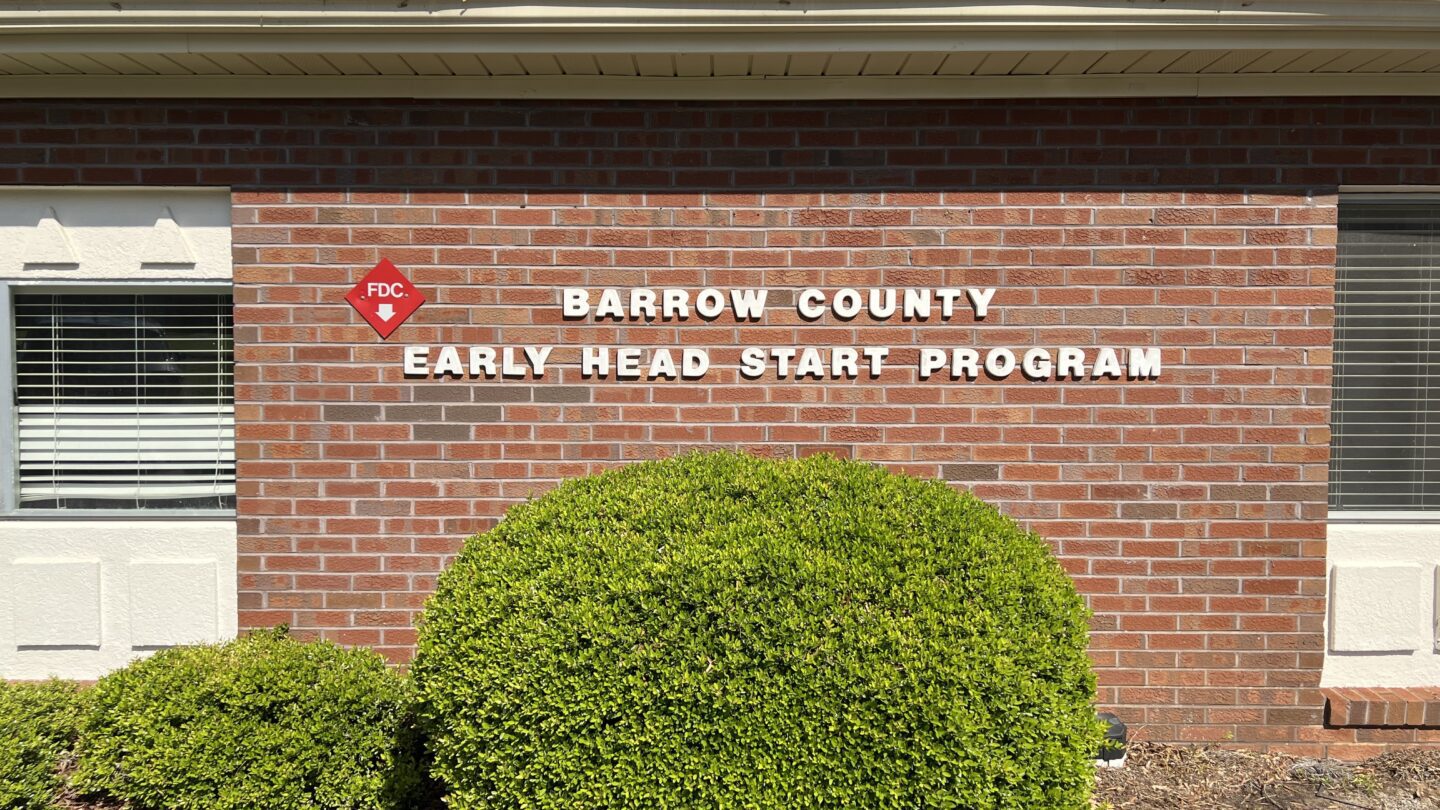
The Early Head Start facility operated by the YMCA of Metro Atlanta in Barrow County. (Meimei Xu/WABE)
When Shyleen’s son Knight, who has autism, was enrolled in private day care, she said she often got calls from the center to pick him up early.
“We went through a phase where my son was being labeled as something he’s not, like aggressive, different things like that,” she said. “Paying $180 a week to still be called home early from work, three days a week, four days was definitely hard. You know, ‘Come pick up your son. He’s doing this. He’s doing that. He won’t take a nap.’ It was almost like there was nothing positive ever being said about my son during pickup.”
Then, she transferred him to Head Start.
“Two and a half years, I haven’t gotten one call for me to come pick him up early,” she said.
Every year, Shyleen said, parents fill out a questionnaire about their child’s behavior, and family support coaches connect them with resources. Shyleen said Head Start staff have helped Knight get therapy and an Individualized Education Program (IEP) in preparation for kindergarten.
“When I tell you, like everyone showed up to his IEP meeting. I had like eight staff members here to support us through that,” she said. “So I will say Head Start has been great for us and for the things my son needs.”
Being around other children has also helped Steele’s children’s social and emotional development.
“They got a chance to be around peers that were different and the same, so they got to see some commonalities and get to enjoy different cultures and appreciate the diversity that all the programs have,” Steele said.
Steele found out that her son may have ADHD through the questionnaire, and the support she’s received has empowered her to continue advocating for him as he enters kindergarten and grade school.
“Now that we know that we do have the rights as parents to join the boards, to bring up things that are concerning for us in a holistic way, we can’t be turned away because we know our rights. They gave us that empowerment here,” Steele said. “It’s just something that you can take on lifelong.”
Ivory Shyleen, left, points out her son Knight in a Head Start classroom as Brittni Steele, right, looks on. (Matthew Pearson/WABE)
Advocacy for preserving Head Start amid broader federal cuts
Health and Human Services Secretary Robert F. Kennedy assured a Senate subcommittee earlier this month that Head Start would receive the funding necessary to continue serving children and parents.
Nevertheless, advocates for the program are still pointing out warning signs.
Binderman, the executive director of GEEARS, said she was “relieved” to see that cuts to Head Start were not in the White House budget proposal, but added that members of Congress could still propose cuts to the program.
“With that said though, we have to remember that the president’s budget is really just a recommendation,” she said. “Congress writes and approves its own budget, and there’s still kind of a far way to go before we’re confident that Head Start is actually safe.”
Moreover, the HHS has closed five of its 10 regional offices that help in the administration of Head Start as part of a restructuring plan under the Trump administration’s “Department of Government Efficiency” initiative. The department has also laid off around 40% of its Administration for Children and Families, which encompasses the Office of Head Start.
An HHS spokesperson reiterated the department’s commitment to maintaining Head Start operations, saying that outdated and inefficient systems under the Biden administration are causing delays in funding disbursement. The spokesperson said the department’s reorganization plan, including closing offices in five high-cost cities and cutting federal jobs, is meant to streamline operations.
Binderman said low-income families that qualify for or are enrolled in Head Start will be affected by other funding cuts to federal social services. Republicans in the U.S. House passed Trump’s massive tax package last week that included funding reductions to Medicaid and the Supplemental Nutrition Assistance Program.
Head Start providers are saying that the program is lacking funding as is.
“It’s a lot of money, but it’s still not enough for the high-quality experience,” Blythe Robinson, CEO and president of Sheltering Arms. “We really need to be talking about preserving Head Start and increasing investment in Head Start in early learning.”
An indoor play area at the YMCA of Metro Atlanta’s Early Head Start facility in Barrow County. (Meimei Xu/WABE)
Binderman urged families and educators to keep advocating for Head Start. “We need to continue to remind legislators about the importance of these programs and why they need to be protected from devastating cuts,” Binderman said.
Shamyra Thompson, who is the center director at the Barrow County Early Head Start location, was originally a Head Start parent. When she joined the program, the staff helped her finish her high school diploma. Then, when her children graduated from the program, she was offered a position with Head Start and has since been working at different locations for the past 17 years.
“I don’t believe I would be where I am today if it wasn’t for Head Start helping me figure out what it was that I wanted to do and reach my goals,” she said.
Other Head Start parents have become advocates themselves. Shyleen and others had the opportunity to go on a trip to Washington to complete a parent leadership training and speak with lawmakers about the program.
Steele, too, said being a Head Start parent has increased her confidence to speak up.
“When it comes to things as important as funds getting cut, we can talk to each other about it. ‘Hey let’s go down to the Capitol,’ or ‘Let’s make this letter,’ or ‘Let’s go ahead and speak up,’” Steele said.